


Can potassium diformate be modified to improve its performance?
Dec 31, 2025
Leave a message
Hey there! As a potassium diformate supplier, I've been getting a lot of questions lately about whether potassium diformate can be modified to improve its performance. So, I thought I'd sit down and write a blog post to share my thoughts on this topic.
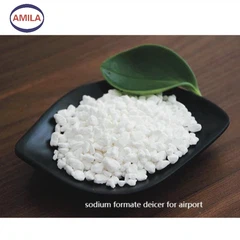
First off, let's talk a bit about what potassium diformate is. Potassium diformate is a white, crystalline powder that's commonly used as a feed additive in the livestock industry. It's known for its antibacterial and acidifying properties, which can help improve the health and performance of animals. There are different types of potassium diformate products available, such as K-Diformate, Potassium Formate(1:2), and Potassium Hydrogen Diformate (KDF).
Now, the big question: Can it be modified to work even better? The short answer is yes, and here's how.
Physical Modifications
One way to modify potassium diformate is through physical means. For example, we can change its particle size. By making the particles smaller, we can increase the surface area of the product. This means that it can dissolve more quickly in the animal's digestive system, leading to a faster release of its beneficial components.


Think about it like this: If you have a big block of sugar and a bunch of fine sugar crystals, the crystals will dissolve in your coffee much faster. The same principle applies here. Smaller particles of potassium diformate can interact more effectively with the gut environment, potentially enhancing its antibacterial and acidifying effects.
Another physical modification could be to coat the potassium diformate particles. A coating can protect the product from degradation in the upper part of the digestive tract and ensure that it reaches the target area, like the small intestine, intact. This targeted delivery can improve the efficiency of the product and reduce waste.
Chemical Modifications
Chemical modifications are also a viable option. We can look into combining potassium diformate with other substances to create new compounds. For instance, we could add certain organic acids or minerals that work synergistically with potassium diformate.
Let's say we combine it with a specific organic acid that has its own antibacterial properties. The two substances might work together to create a more powerful antibacterial effect than either one could achieve alone. This is known as a synergistic effect, and it's a great way to enhance the performance of potassium diformate.
We could also modify the chemical structure of potassium diformate itself. By tweaking the way the atoms are arranged, we might be able to change its solubility, stability, or reactivity. This could lead to a product that is more effective in different environmental conditions or in the presence of other feed ingredients.
Biological Modifications
In the realm of biological modifications, we can consider using probiotics or enzymes in combination with potassium diformate. Probiotics are beneficial bacteria that can help maintain a healthy gut microbiota. When used with potassium diformate, they can work together to create an even more favorable gut environment for the animal.
Enzymes, on the other hand, can help break down feed components more efficiently. By adding specific enzymes to potassium diformate, we can improve the animal's digestion and nutrient absorption. This not only benefits the animal's health but can also lead to better growth performance and feed conversion ratios.
Benefits of Modifying Potassium Diformate
So, what are the benefits of all these modifications? Well, for starters, an improved potassium diformate product can lead to better animal health. By enhancing its antibacterial properties, we can reduce the risk of diseases caused by harmful bacteria in the gut. This means fewer sick animals and less need for antibiotics, which is a big win for the industry and for animal welfare.
In terms of performance, animals that consume a modified potassium diformate product may have better growth rates, higher feed efficiency, and improved meat quality. This can translate into increased profits for farmers and better-quality products for consumers.
Challenges and Considerations
Of course, modifying potassium diformate isn't without its challenges. One of the main issues is ensuring that the modifications are safe for animals. Any new combination or chemical change needs to be thoroughly tested to make sure it doesn't have any negative effects on the animals' health.
Another challenge is cost. Developing and producing a modified product can be more expensive than the standard version. We need to find a balance between the cost of modification and the potential benefits it brings. This means doing a lot of research and cost - benefit analysis to make sure that the modified product is economically viable.
Conclusion
In conclusion, potassium diformate can definitely be modified to improve its performance. Through physical, chemical, and biological modifications, we can create a product that is more effective, efficient, and targeted. While there are challenges to overcome, the potential benefits for animal health and the livestock industry are significant.
If you're interested in learning more about our potassium diformate products or exploring the possibilities of modified versions, I'd love to have a chat. Whether you're a farmer looking to improve your animals' health and performance or a feed manufacturer searching for high - quality additives, we can work together to find the best solution for you. Don't hesitate to reach out and start a conversation about your specific needs. Let's see how we can make your livestock operation even more successful with our potassium diformate products.
References
- [List of relevant research papers on potassium diformate modifications and their effects on animal health and performance]
- [Industry reports on the use of feed additives in livestock production]
Send Inquiry