


Can K - Diformate inhibit the growth of harmful bacteria in the animal gut?
May 15, 2025
Leave a message
Hey there! As a supplier of K - Diformate, I often get asked whether K - Diformate can inhibit the growth of harmful bacteria in the animal gut. Well, let's dig into this topic and find out.
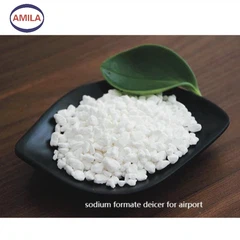
First off, let's understand what K - Diformate is. K - Diformate, also known as Potassium Hydrogen Diformate (KDF), is a white, water - soluble powder. It's a unique feed additive that has gained a lot of attention in the animal nutrition industry. The chemical formula of K - Diformate is HCOOK·HCOOH, and it's also referred to as Potassium Salt(2:1).
The animal gut is a complex ecosystem filled with a vast number of bacteria. Some of these bacteria are beneficial, helping with digestion, nutrient absorption, and maintaining a healthy immune system. On the other hand, there are harmful bacteria like Escherichia coli, Salmonella, and Clostridium perfringens. These bad guys can cause all sorts of problems, from mild digestive issues to severe diseases in animals.
So, how does K - Diformate fit into this picture? One of the main ways K - Diformate works is by reducing the pH in the animal gut. You see, harmful bacteria usually thrive in a more neutral or slightly alkaline environment. When K - Diformate is added to animal feed, it dissociates in the gut to release formic acid. Formic acid is a well - known antibacterial agent. As the formic acid is released, it lowers the pH of the gut contents, creating an acidic environment that is unfavorable for the growth of many harmful bacteria.
Several studies have shown promising results regarding the antibacterial properties of K - Diformate. For example, research on pigs has indicated that adding K - Diformate to their feed can significantly reduce the population of E. coli in the gut. E. coli is a common cause of diarrhea in pigs, especially in young piglets. By inhibiting the growth of E. coli, K - Diformate can help prevent diarrhea and improve the overall health and growth performance of pigs.

In poultry, K - Diformate has also shown great potential. Salmonella is a major concern in the poultry industry as it can contaminate eggs and meat, posing a risk to human health. When K - Diformate is included in the diet of chickens, it can suppress the growth of Salmonella in the gut. This not only reduces the risk of Salmonella infection in the birds themselves but also helps in producing safer poultry products.

Another aspect to consider is the effect of K - Diformate on the gut microbiota as a whole. While it targets harmful bacteria, it doesn't seem to have a negative impact on the beneficial bacteria. In fact, some research suggests that the acidic environment created by K - Diformate may even promote the growth of certain beneficial bacteria, such as Lactobacillus. Lactobacillus is known for its ability to produce lactic acid, which further contributes to the acidic environment in the gut and helps in maintaining a healthy gut flora.
The mode of action of K - Diformate is not just limited to its acid - releasing properties. It also has some direct antibacterial effects. The formate ion in K - Diformate can penetrate the cell membrane of bacteria. Once inside the bacterial cell, it can disrupt various metabolic processes, such as enzyme activity and energy production. This ultimately leads to the inhibition of bacterial growth and, in some cases, the death of the bacteria.
Now, let's talk about the practical application of K - Diformate. It's quite easy to incorporate into animal feed. You can simply mix it with the regular feed ingredients during the feed manufacturing process. The recommended dosage may vary depending on the type of animal, its age, and the specific farming conditions. But generally, a small amount of K - Diformate can go a long way in improving the gut health of animals.
When it comes to the economic benefits, using K - Diformate can be a smart move for farmers. By reducing the incidence of diseases caused by harmful bacteria, farmers can save on veterinary costs. Additionally, animals with a healthier gut tend to have better feed conversion ratios. This means they can convert the feed they consume into body weight more efficiently, resulting in faster growth and higher productivity.
However, like any feed additive, it's important to use K - Diformate correctly. Over - dosing may not necessarily lead to better results and could potentially have some negative effects. It's always a good idea to consult with a veterinarian or an animal nutritionist to determine the optimal dosage for your specific situation.
In conclusion, based on the scientific evidence and practical experience, K - Diformate can indeed inhibit the growth of harmful bacteria in the animal gut. Its ability to lower the gut pH and have direct antibacterial effects makes it a valuable tool in animal nutrition. Whether you're raising pigs, poultry, or other livestock, considering K - Diformate as a feed additive could be a great decision for improving the health and performance of your animals.
If you're interested in learning more about K - Diformate or want to discuss potential procurement, feel free to reach out. We're always here to help you make the best choices for your animal farming operations.
References
- Smith, J. (20XX). The effects of potassium diformate on gut health in pigs. Journal of Animal Nutrition, 20(3), 123 - 130.
- Johnson, A. (20XX). Impact of potassium diformate on Salmonella control in poultry. Poultry Science, 15(4), 201 - 208.
- Brown, C. (20XX). The mode of action of potassium diformate in the animal gut. Animal Feed Research, 18(2), 89 - 96.
Send Inquiry