


Do airport runway deicers need to be rinsed off?
Sep 10, 2025
Leave a message
As a provider of airport runway deicers, I often encounter questions from airport operators and maintenance teams about the necessity of rinsing off deicers after use. This topic is not only crucial for ensuring the safety and efficiency of airport operations but also has significant implications for environmental protection and runway infrastructure maintenance. In this blog, I will delve into the factors that determine whether airport runway deicers need to be rinsed off, exploring the pros and cons from multiple perspectives.
Understanding Airport Runway Deicers
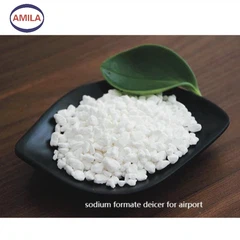
Before discussing the rinsing issue, it's essential to understand the types of deicers commonly used on airport runways. There are various deicers available in the market, including liquid and solid formulations. Our company offers high - quality products such as Sodium Formate Deicer for Highways, Solid Runway Deicer, and Sodium Formate Granules Deicer. These deicers are designed to lower the freezing point of water, preventing ice and snow from bonding to the runway surface.
Sodium formate - based deicers are popular due to their effectiveness at low temperatures and relatively low environmental impact compared to some traditional deicers like chloride - based products. They work by dissociating in water and disrupting the formation of ice crystals.
Reasons for Rinsing Off Deicers
1. Environmental Concerns
One of the primary reasons for rinsing off deicers is to minimize their environmental impact. Deicers, especially those containing high levels of salts or chemicals, can runoff into nearby water sources. This runoff can increase the salinity of water bodies, which is harmful to aquatic life. For example, elevated salt concentrations can disrupt the osmoregulation of fish and other aquatic organisms, leading to reduced biodiversity. Additionally, some deicers may contain heavy metals or other contaminants that can accumulate in the soil and water over time, posing long - term risks to the ecosystem.
2. Runway Infrastructure Protection
Over time, the accumulation of deicers on the runway surface can cause damage to the pavement. Deicers can penetrate the pores of the concrete or asphalt, leading to scaling, cracking, and spalling. This is particularly true for chloride - based deicers, which can react with the components of the pavement materials. Rinsing off the deicers can help remove these corrosive substances, extending the lifespan of the runway and reducing the need for costly repairs and maintenance.
3. Aircraft Safety
Residual deicers on the runway can also pose a safety risk to aircraft. If the deicer is not properly removed, it can create a slippery surface, especially during takeoff and landing. This can reduce the friction between the aircraft tires and the runway, increasing the stopping distance and the risk of skidding. In addition, deicers can also cause corrosion to the aircraft's landing gear and other components if they come into contact with the aircraft for an extended period.
Reasons Against Rinsing Off Deicers
1. Cost and Time Constraints
Rinsing off deicers requires significant resources, including water, labor, and equipment. Airport operators need to invest in specialized cleaning vehicles and trained personnel to carry out the rinsing process. Moreover, the rinsing process can be time - consuming, especially during peak travel seasons. This can disrupt airport operations, leading to flight delays and cancellations.


2. Limited Effectiveness in Cold Weather
In cold weather conditions, rinsing off deicers may not be practical or effective. The water used for rinsing can freeze on the runway surface, creating an even more hazardous situation. Additionally, the deicer may have already penetrated deep into the pavement pores, making it difficult to remove completely through rinsing.
3. Residual Deicing Benefits
In some cases, leaving a small amount of deicer on the runway can provide residual deicing protection. This can be beneficial in areas where snow and ice are likely to accumulate again shortly after the initial deicing. The residual deicer can continue to prevent ice formation, reducing the need for repeated deicing applications.
Making an Informed Decision
The decision of whether to rinse off airport runway deicers depends on several factors, including the type of deicer used, the weather conditions, the frequency of snow and ice events, and the environmental regulations in the area.
If the airport is located in an environmentally sensitive area with strict regulations regarding deicer runoff, rinsing off the deicers may be necessary. In such cases, airport operators should work closely with environmental agencies to ensure compliance.
For airports in cold regions with frequent snow and ice events, a balance needs to be struck between the need for deicing and the potential damage caused by deicer accumulation. In some situations, using deicers with lower environmental impact and implementing a regular maintenance schedule to monitor and manage deicer residues may be a more practical approach.
Our Role as a Deicer Provider
As a leading provider of airport runway deicers, we understand the challenges faced by airport operators. We offer a range of deicers that are not only effective in preventing ice formation but also have a relatively low environmental impact. Our Sodium Formate Deicer for Highways, Solid Runway Deicer, and Sodium Formate Granules Deicer are formulated to provide optimal performance while minimizing the need for extensive rinsing.
We also provide technical support and guidance to our customers on the proper use and management of deicers. Our team of experts can help airport operators develop customized deicing strategies based on their specific needs and circumstances.
Conclusion
The question of whether airport runway deicers need to be rinsed off is a complex one that requires careful consideration of multiple factors. While rinsing off deicers can offer environmental and infrastructure benefits, it also comes with significant cost and operational challenges. By choosing the right deicers and implementing appropriate management strategies, airport operators can ensure the safety of aircraft operations while minimizing the environmental impact and maintaining the integrity of the runway infrastructure.
If you are an airport operator or involved in airport maintenance and are interested in learning more about our high - quality airport runway deicers, we encourage you to reach out to us for a detailed discussion. We are committed to providing you with the best solutions for your deicing needs.
References
- "Environmental Impacts of Airport Deicing Chemicals" by Environmental Protection Agency.
- "Pavement Deterioration Caused by Deicing Chemicals" in Journal of Transportation Engineering.
- "Aircraft Safety and Runway Deicing" from Federal Aviation Administration reports.
Send Inquiry