


How do aircraft deicers work on the air intakes of the aircraft?
Sep 22, 2025
Leave a message
Hey there! I'm a supplier of aircraft deicers, and today I want to chat about how these nifty substances work on the air intakes of aircraft. It's a crucial process that keeps flights safe, especially in cold and wintry conditions.
Let's start with why we even need to deice the air intakes in the first place. When an aircraft is sitting on the tarmac in cold weather, ice can form on various parts of the plane, including the air intakes. These air intakes are super important because they suck in the air that the engines need to function properly. If ice builds up in the air intakes, it can restrict the airflow, which messes with the engine's performance. It can even lead to engine stalls, and that's definitely not something we want to happen!
So, how do aircraft deicers actually do their magic? Well, there are a few different types of deicers out there, but one of the most common ones is the Potassium Formate Liquid. This stuff is pretty amazing. It works by lowering the freezing point of water. You see, when water freezes, it forms ice crystals. But when you add potassium formate liquid to the mix, it interferes with the formation of those ice crystals.
The deicing process usually starts with a pre - flight inspection. Ground crew members will check the aircraft for any signs of ice buildup on the air intakes and other critical areas. If they spot ice, they'll get the deicing equipment ready. The deicer is typically stored in large tanks on the deicing trucks. These trucks are specially designed to reach different parts of the aircraft safely.
Once the truck is in position, a high - pressure hose is used to spray the deicer onto the air intakes. The pressure of the spray helps to break up any loose ice that's already on the surface. The Potassium Formate Liquid then starts to do its job. It seeps into the small cracks and crevices where ice might be hiding and starts to melt it from the inside out.
Another important aspect is the time factor. Deicers have a limited hold - over time. This is the amount of time the deicer can prevent ice from reforming on the aircraft. The hold - over time depends on a few things, like the outside temperature, the type of precipitation (snow, sleet, or freezing rain), and the amount of deicer applied. Ground crew members need to keep an eye on the clock and make sure the aircraft takes off within the hold - over time.
Now, let's talk about the Eco - friendly Deicer. In recent years, there's been a big push towards more environmentally friendly deicing solutions. Potassium formate is a great choice in this regard. It's biodegradable, which means it breaks down naturally in the environment over time. This is a huge plus compared to some of the older deicing chemicals that could be harmful to the soil, water, and wildlife.
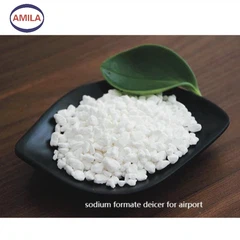
The Potassium Formate for Airport Deicer is also highly effective at preventing ice from forming on the air intakes. It has a low toxicity level, which is not only good for the environment but also for the people working around the aircraft. Ground crew members don't have to worry as much about being exposed to harmful chemicals while applying the deicer.
In addition to melting the ice, the deicer also creates a thin film on the surface of the air intakes. This film acts as a barrier, making it harder for new ice to stick. It's like a protective shield that keeps the air intakes clear and allows the engines to breathe properly.


But it's not just about spraying the deicer and hoping for the best. There are strict regulations and procedures that need to be followed. Airlines and ground handling companies have to train their staff on the proper use of deicers. They also need to keep detailed records of the deicing process, including the type of deicer used, the amount applied, and the time of application.
During the deicing process, the ground crew has to be really careful. They need to make sure that the deicer doesn't get into the engine itself. If deicer were to enter the engine, it could cause serious damage. So, they aim the spray carefully and use techniques to control the flow of the deicer.
After the deicing is complete, the ground crew will do another quick inspection to make sure all the ice has been removed from the air intakes. They'll also check for any signs of damage that might have occurred during the deicing process. Once they're satisfied, they'll give the all - clear for the aircraft to taxi to the runway and take off.
As an aircraft deicer supplier, I know how important it is to provide high - quality products. Our deicers are rigorously tested to make sure they meet all the safety and performance standards. We work closely with airlines and ground handling companies to understand their needs and provide the best solutions.
If you're in the aviation industry and looking for a reliable aircraft deicer supplier, we'd love to talk to you. Whether you're dealing with small regional airports or large international hubs, we have the products and expertise to keep your aircraft safe and ice - free. Contact us to start a conversation about your deicing needs and let's work together to ensure smooth and safe flights.
References
- "Aviation Deicing and Anti - icing Operations Handbook"
- Research papers on the effectiveness of potassium formate in aircraft deicing
- Industry standards and regulations related to aircraft deicing
Send Inquiry