


How does Sodium Formate Powder compare with other plastic additives?
Nov 25, 2025
Leave a message
Hey there! As a supplier of Sodium Formate Powder, I've often been asked how it stacks up against other plastic additives. Well, let's dive right in and explore the ins and outs of this comparison.
Understanding Plastic Additives
First off, plastic additives are substances added to plastics to enhance their performance, durability, and other properties. There are various types of additives, including stabilizers, plasticizers, flame retardants, and antioxidants. Each type serves a specific purpose, and choosing the right one depends on the intended use of the plastic product.
What is Sodium Formate Powder?
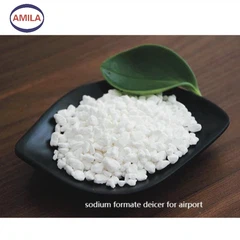
Sodium Formate Powder is a white, crystalline powder that's soluble in water. It's commonly used in a variety of industries, including the plastic industry. Our Sodium Formate 98% Min and Sodium Formate Powder are of high quality and meet the industry standards.
Cost - Effectiveness
One of the first things manufacturers look at when choosing an additive is cost. Sodium Formate Powder is relatively inexpensive compared to some other high - end plastic additives. For small - scale and large - scale plastic producers alike, cost savings can be significant over time. For example, some specialty flame retardants can be quite pricey, but Sodium Formate Powder can offer similar benefits at a lower cost in certain applications.
Environmental Impact
In today's world, environmental concerns are at the forefront. Sodium Formate is biodegradable, which is a huge plus. Unlike some plastic additives that can persist in the environment for a long time and cause pollution, Sodium Formate breaks down naturally. This makes it a more environmentally friendly choice for plastic products that are likely to end up in landfills or the natural environment. Our Feed Grade Sodium Formate also adheres to strict environmental and quality standards.
Performance in Plastic Production
Thermal Stability
Sodium Formate Powder can improve the thermal stability of plastics. When plastics are exposed to high temperatures during processing or use, they can degrade. Sodium Formate helps to prevent this degradation by acting as a heat stabilizer. Some other additives may also offer thermal stability, but Sodium Formate can do it effectively without adding too much complexity to the production process.
Compatibility
It has good compatibility with a wide range of plastics, including polyethylene, polypropylene, and PVC. This means that it can be easily incorporated into different plastic formulations without causing any compatibility issues. Some other additives may be limited in terms of the types of plastics they can be used with, which can be a drawback for manufacturers who work with multiple plastic materials.


Comparing with Other Additives
Plasticizers
Plasticizers are used to make plastics more flexible. While Sodium Formate Powder is not a traditional plasticizer, in some cases, it can work in conjunction with plasticizers to enhance the overall performance of the plastic. For example, it can help to maintain the integrity of the plastic structure while the plasticizer does its job of softening the material. Some plasticizers, like phthalates, have come under scrutiny due to their potential health risks, and Sodium Formate offers a safer alternative in some applications.
Flame Retardants
Flame retardants are crucial for plastics used in applications where fire safety is a concern. Sodium Formate can act as a flame - retardant in some plastics. It releases carbon dioxide when heated, which can help to smother flames. Some commercial flame retardants contain harmful chemicals such as brominated compounds. Sodium Formate provides a more environmentally friendly and potentially safer option for flame - retardant applications.
Limitations of Sodium Formate Powder
Of course, Sodium Formate Powder isn't a one - size - fits - all solution. It may not be as effective as some specialized additives in certain high - performance applications. For example, in aerospace plastics where extreme strength and heat resistance are required, some high - tech additives may be a better choice. Also, the dosage of Sodium Formate needs to be carefully controlled. Too much of it can affect the mechanical properties of the plastic, such as its strength and flexibility.
Conclusion
Overall, Sodium Formate Powder has a lot going for it when compared to other plastic additives. It's cost - effective, environmentally friendly, and offers good performance in many plastic applications. While it may not be suitable for every single situation, it's definitely a valuable option for many plastic manufacturers.
If you're in the plastic manufacturing business and are looking for a reliable plastic additive, I encourage you to consider our Sodium Formate Powder. We're here to provide you with high - quality products and excellent customer service. If you have any questions or want to discuss your specific needs, feel free to reach out and start a procurement negotiation. We're eager to work with you to find the best solutions for your plastic production.
References
- "Plastic Additives: Principles and Practice" by John Murphy
- Industry reports on plastic additives and their applications
Send Inquiry