



How to dispose of sodium formate safely?
Nov 27, 2025
Leave a message
Hey there! As a supplier of sodium formate, I've seen firsthand how important it is to handle and dispose of this chemical safely. Sodium formate is a versatile compound used in various industries, including oil drilling and leather tanning. But like any chemical, it needs to be treated with care, especially when it comes to disposal. So, let's dive into how you can safely dispose of sodium formate.
Understanding Sodium Formate
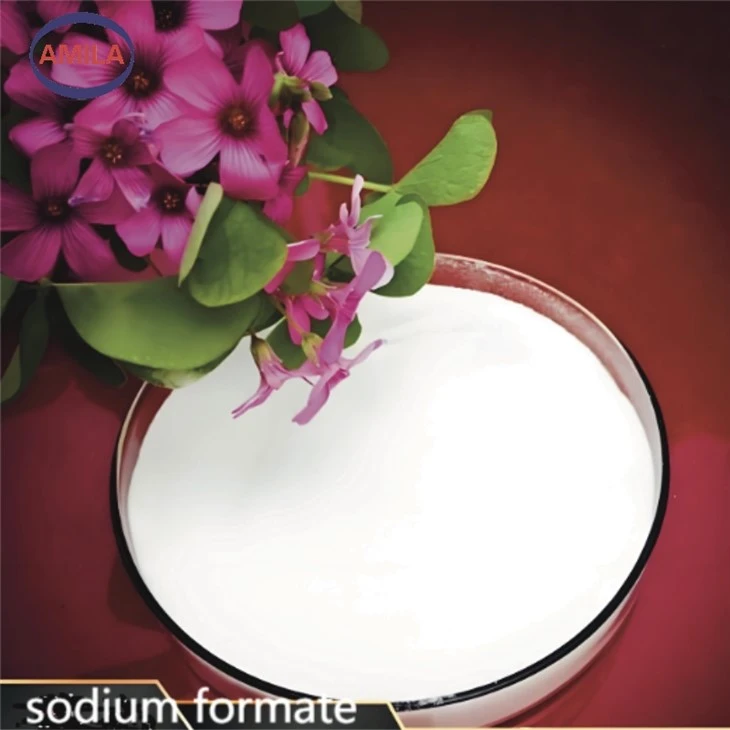
First off, let's get a bit of background on sodium formate. It's a white, crystalline powder that's highly soluble in water. You can find our Sodium Formate 95% Min in the market, which meets high - quality standards. This compound has a wide range of applications. In oil drilling, Sodium Formate for Oildrilling is used as a drilling fluid additive to control the density and viscosity of the drilling mud. In leather tanning, Sodium Formate for Leather Tanning helps in the pickling and tanning processes.
But with these benefits come responsibilities. Sodium formate can be harmful if not handled properly. It can cause irritation to the skin, eyes, and respiratory tract. So, when it's time to get rid of it, we need to be extra careful.
Before Disposal: Storage and Handling
Before you even think about disposal, proper storage and handling are crucial. Store sodium formate in a cool, dry place away from incompatible substances like strong oxidizers. Keep it in a tightly sealed container to prevent moisture absorption, which can cause clumping and potentially change its chemical properties.
When handling sodium formate, always wear appropriate personal protective equipment (PPE). This includes gloves, safety goggles, and a lab coat or protective clothing. If you're working in a large - scale industrial setting, make sure your employees are trained on the proper handling procedures.
Disposal Methods
1. Recycling
Recycling is always the best option when it comes to chemical disposal. If the sodium formate you have is contaminated but still has some usable properties, you might be able to recycle it. Some specialized recycling facilities can purify and reuse sodium formate. You can reach out to local recycling companies and ask if they have the capacity to handle sodium formate.
However, recycling might not always be feasible, especially if the sodium formate is highly contaminated or has reacted with other substances.
2. Incineration
Incineration is another option, but it needs to be done in a controlled environment. Sodium formate can be burned at high temperatures to convert it into carbon dioxide and water. But this process should only be carried out in an incinerator that's designed to handle hazardous chemicals.
Before you incinerate sodium formate, make sure to check local regulations. Some areas have strict rules regarding the incineration of chemicals, and you might need to obtain special permits. Also, the emissions from the incineration process need to be monitored to ensure they meet environmental standards.
3. Landfill Disposal
Landfill disposal should be the last resort. If you choose this method, the sodium formate needs to be properly packaged to prevent leakage. It should be placed in a sealed container and labeled clearly as sodium formate.
However, not all landfills accept hazardous chemicals. You need to find a landfill that's permitted to handle sodium formate. Contact your local waste management authority to get a list of approved landfills.
Regulatory Compliance
One of the most important aspects of sodium formate disposal is regulatory compliance. Different countries and regions have different rules regarding the disposal of chemicals. In the United States, for example, the Environmental Protection Agency (EPA) has strict regulations on the disposal of hazardous chemicals.
You need to familiarize yourself with the local laws and regulations. This might involve obtaining permits, keeping records of the disposal process, and reporting the disposal to the relevant authorities. Failure to comply with these regulations can result in hefty fines and legal consequences.

Emergency Response
Even with the best - laid plans, accidents can happen. So, it's important to have an emergency response plan in place. If there's a spill or a release of sodium formate, follow these steps:
- Evacuate the area: Make sure everyone in the vicinity is safe and away from the spill.
- Wear appropriate PPE: Put on your protective gear before attempting to clean up the spill.
- Contain the spill: Use absorbent materials like sand or vermiculite to soak up the sodium formate. Avoid using materials that might react with it.
- Dispose of the contaminated materials: Follow the proper disposal procedures for the contaminated absorbent materials.
Working with a Professional Disposal Company
If you're not confident in handling the disposal of sodium formate on your own, consider working with a professional disposal company. These companies have the expertise and equipment to handle chemical disposal safely and in compliance with regulations.
They can assess your specific situation, recommend the best disposal method, and take care of all the paperwork and regulatory requirements. While it might cost you some money, it's a small price to pay for peace of mind and environmental protection.
Conclusion
Disposing of sodium formate safely is no joke. It requires careful planning, proper handling, and strict regulatory compliance. As a sodium formate supplier, I'm committed to helping my customers not only use the product effectively but also dispose of it safely.
If you're in the market for high - quality sodium formate for your oil drilling or leather tanning needs, don't hesitate to reach out. We offer top - notch products and can also provide guidance on safe handling and disposal. Whether you're a small business or a large industrial operation, we're here to support you.
Let's work together to ensure that we're using and disposing of sodium formate in a way that's safe for our employees, our communities, and the environment.
References
- Environmental Protection Agency (EPA). Hazardous Waste Management Regulations.
- Occupational Safety and Health Administration (OSHA). Chemical Handling and Safety Guidelines.
Send Inquiry