


What are the effects of solid sodium formate on ceramic properties?
Aug 15, 2025
Leave a message
Hey there! As a supplier of solid sodium formate, I've been getting a lot of questions lately about how it affects ceramic properties. So, I thought I'd dive into this topic and share what I've learned.
What is Solid Sodium Formate?
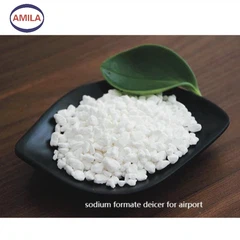
First off, let's quickly go over what solid sodium formate is. It's a white, crystalline powder with the chemical formula HCOONa. It's highly soluble in water and has a variety of industrial applications. You can check out more about it on our Sodium Formate 98% Min page.
Effects on Ceramic Properties
1. Firing Behavior
One of the most significant effects of solid sodium formate on ceramics is its influence on the firing process. When added to ceramic mixtures, sodium formate can act as a flux. A flux is a substance that lowers the melting point of a material. In the case of ceramics, it helps the ceramic particles to bond together more easily during firing.
During firing, the sodium formate decomposes at a certain temperature. This decomposition releases gases, which can have a couple of effects. On one hand, the gases can create small pores in the ceramic structure. These pores can improve the insulation properties of the ceramic. On the other hand, if the gas release is too rapid or uneven, it can cause defects like cracks or blisters in the ceramic.
2. Mechanical Properties
The addition of solid sodium formate can also affect the mechanical properties of ceramics. As a flux, it promotes the formation of a more dense and homogeneous ceramic structure. This generally leads to an increase in the ceramic's strength and hardness.
However, it's important to note that the amount of sodium formate added needs to be carefully controlled. Too much sodium formate can lead to excessive melting and a loss of the ceramic's structural integrity. This can result in a decrease in strength and an increase in brittleness.
3. Chemical Resistance
Ceramics are often used in applications where chemical resistance is crucial, such as in chemical processing plants or in the production of laboratory equipment. Solid sodium formate can enhance the chemical resistance of ceramics.
The sodium ions in sodium formate can react with the ceramic matrix to form a protective layer. This layer can prevent the penetration of corrosive chemicals into the ceramic. However, the effectiveness of this protective layer depends on the type of ceramic and the specific chemicals it will be exposed to.
4. Color and Aesthetics
In some cases, solid sodium formate can also affect the color and aesthetics of ceramics. During firing, the decomposition products of sodium formate can react with the ceramic pigments or the ceramic body itself. This can lead to changes in color.
For example, if the ceramic contains certain metal oxides, the presence of sodium formate can cause a reduction reaction, which can change the oxidation state of the metal and thus the color of the ceramic. This can be either a desirable effect, if you're aiming for a specific color or finish, or an unwanted side effect.
Applications in the Ceramic Industry
Given its effects on ceramic properties, solid sodium formate has several applications in the ceramic industry.
1. Glazes
Glazes are used to give ceramics a smooth, shiny surface and to improve their chemical resistance. Solid sodium formate can be added to glazes as a flux. It helps the glaze to melt and flow evenly over the ceramic surface during firing, resulting in a more uniform and attractive finish. You can find more about our Sodium Formate Powder which can be used in glaze formulations.
2. Sanitary Ware
In the production of sanitary ware, such as toilets and sinks, solid sodium formate can be used to improve the strength and durability of the ceramic. It helps the ceramic to withstand the mechanical stresses and chemical exposure that are common in these applications.
3. Refractory Ceramics
Refractory ceramics are used in high-temperature applications, such as in furnaces and kilns. Solid sodium formate can be added to refractory ceramics to improve their thermal insulation properties and their resistance to thermal shock.
Considerations for Using Solid Sodium Formate in Ceramics
If you're considering using solid sodium formate in your ceramic production, there are a few things you need to keep in mind.
1. Dosage
As mentioned earlier, the amount of solid sodium formate added to the ceramic mixture is crucial. You need to conduct tests to determine the optimal dosage for your specific ceramic formulation and firing conditions.


2. Compatibility
Solid sodium formate may not be compatible with all types of ceramics or ceramic additives. You need to ensure that it will not react negatively with other components in the ceramic mixture.
3. Safety
Solid sodium formate is a chemical substance, and it needs to be handled with care. Make sure you follow all safety guidelines when storing, handling, and using it.
Conclusion
In conclusion, solid sodium formate can have a significant impact on ceramic properties. It can affect the firing behavior, mechanical properties, chemical resistance, and color of ceramics. With its various applications in the ceramic industry, it's a valuable additive.
If you're in the ceramic industry and are interested in using solid sodium formate in your production, I'd love to have a chat with you. We're a reliable supplier of high-quality solid sodium formate, and we can provide you with the right product for your needs. Whether you're looking for a product for Sodium Formate for Leather Tanning or for ceramic applications, we've got you covered. Just reach out, and we can start a discussion about your requirements and how we can help you achieve the best results in your ceramic production.
References
- "Ceramics: Science and Technology" by John B. Wachtman Jr.
- "Introduction to Ceramics" by W. D. Kingery, H. K. Bowen, and D. R. Uhlmann.
Send Inquiry