



What are the potential uses of sodium formate in cosmetics?
Sep 09, 2025
Leave a message
Sodium formate, a simple organic salt with the chemical formula HCOONa, has long been recognized for its diverse industrial applications. While it is well - known in industries such as oil drilling Sodium Formate for Oildrilling and leather tanning Sodium Formate for Leather Tanning, its potential uses in the cosmetics industry are relatively less explored. As a sodium formate supplier, I am excited to delve into the various ways this compound could revolutionize the cosmetics field.
1. pH Regulation
One of the most fundamental requirements in cosmetics is to maintain an appropriate pH level. The skin has a natural pH ranging from 4.5 to 7.0, which is slightly acidic. This acidic environment, known as the acid mantle, plays a crucial role in protecting the skin from harmful microorganisms and maintaining its moisture balance.
Sodium formate can act as an effective pH regulator in cosmetic formulations. It can be used to adjust the pH of products such as cleansers, toners, and moisturizers to a level that is compatible with the skin's natural pH. When used in a buffer system, sodium formate can help maintain a stable pH, preventing the product from becoming too acidic or too alkaline, which could cause skin irritation. For example, in a facial cleanser, a proper pH adjustment using sodium formate can ensure that the product effectively removes dirt and oil without stripping the skin of its natural oils and disrupting the acid mantle.
2. Preservative and Antimicrobial Agent
The cosmetic industry is constantly on the lookout for natural and effective preservatives to prevent the growth of bacteria, fungi, and other microorganisms in products. Sodium formate has shown potential as an antimicrobial agent. It can inhibit the growth of various microorganisms by disrupting their metabolic processes.
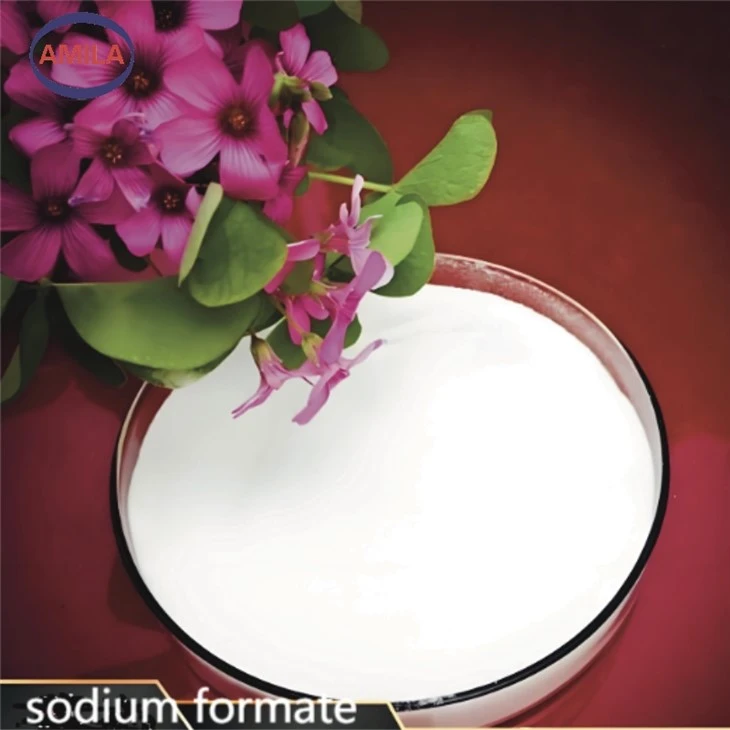

In cosmetic products, the presence of water and organic substances provides an ideal environment for microbial growth. By incorporating sodium formate into formulations, manufacturers can extend the shelf - life of their products and ensure their safety for consumers. For instance, in water - based serums or lotions, sodium formate can be added to prevent the growth of bacteria and fungi, reducing the risk of product spoilage and potential skin infections.
3. Humectant Properties
Humectants are substances that help the skin retain moisture by attracting water molecules from the environment and holding them in the skin. Sodium formate has some humectant properties. It can absorb water from the air and keep the skin hydrated.
In dry or cold climates, the skin tends to lose moisture rapidly, leading to dryness, flakiness, and even cracking. Cosmetic products containing sodium formate can help combat these issues. For example, in a winter - specific moisturizer, sodium formate can work in conjunction with other humectants to provide long - lasting hydration to the skin. It can also improve the texture of the product, making it smoother and more spreadable.
4. Exfoliation and Skin Renewal
Exfoliation is an important step in skincare as it helps remove dead skin cells from the surface of the skin, revealing smoother, brighter, and more youthful - looking skin. Sodium formate can potentially be used in exfoliating products.
In a chemical exfoliant, sodium formate can be part of a formulation that gently dissolves the bonds between dead skin cells, allowing them to be easily removed. This can improve skin texture, reduce the appearance of fine lines and wrinkles, and even out skin tone. However, the concentration of sodium formate in exfoliating products needs to be carefully controlled to avoid over - exfoliation and skin damage.
5. Compatibility with Other Ingredients
One of the advantages of using sodium formate in cosmetics is its compatibility with a wide range of other ingredients. It can be easily incorporated into various cosmetic formulations without causing significant changes in the product's stability or performance.
It can be used in combination with other active ingredients such as vitamins, antioxidants, and plant extracts. For example, in a vitamin - C - rich serum, sodium formate can be added to regulate the pH and enhance the stability of vitamin C, ensuring that the product retains its effectiveness over time.
6. Environmental and Safety Considerations
As a sodium formate supplier, I understand the importance of environmental and safety considerations in the cosmetic industry. Sodium formate is a relatively environmentally friendly compound. It is biodegradable, which means that it can be broken down by natural processes in the environment, reducing its impact on the ecosystem.
In terms of safety, sodium formate is generally considered to be of low toxicity. When used in appropriate concentrations in cosmetic products, it is unlikely to cause significant harm to the skin. However, as with any chemical, proper testing and quality control are necessary to ensure its safety for consumers.
7. Liquid Sodium Formate in Cosmetics
For cosmetic manufacturers, Liquid Sodium Formate offers several advantages. It is easier to handle and incorporate into formulations compared to solid sodium formate. The liquid form can be more evenly distributed in the product, ensuring consistent performance.
In high - volume production, liquid sodium formate can be more cost - effective and time - efficient. It can be directly added to the mixing tank during the manufacturing process, reducing the need for additional processing steps such as dissolving solid sodium formate.
Conclusion
The potential uses of sodium formate in cosmetics are vast and promising. From pH regulation and antimicrobial activity to humectancy and exfoliation, sodium formate can play a significant role in improving the quality and performance of cosmetic products. As a sodium formate supplier, I am committed to providing high - quality sodium formate to the cosmetic industry.
If you are a cosmetic manufacturer or formulator interested in exploring the benefits of sodium formate in your products, I encourage you to contact me for further discussion and to start a procurement negotiation. Together, we can develop innovative and effective cosmetic formulations that meet the needs of consumers while ensuring safety and environmental sustainability.
References
- "Cosmetic Chemistry: Principles and Practice" by Gerald M. Downing
- "Handbook of Cosmetic Science and Technology" by Albert M. Kligman, Howard I. Maibach
- Research papers on the antimicrobial and pH - regulating properties of sodium formate in scientific journals such as the Journal of Cosmetic Science.
Send Inquiry