



What are the reaction conditions for solid sodium formate and carbon compounds?
Jul 31, 2025
Leave a message
Hey there! As a solid sodium formate supplier, I've got a lot to share about the reaction conditions between solid sodium formate and carbon compounds. Let's dive right in.
Understanding Solid Sodium Formate
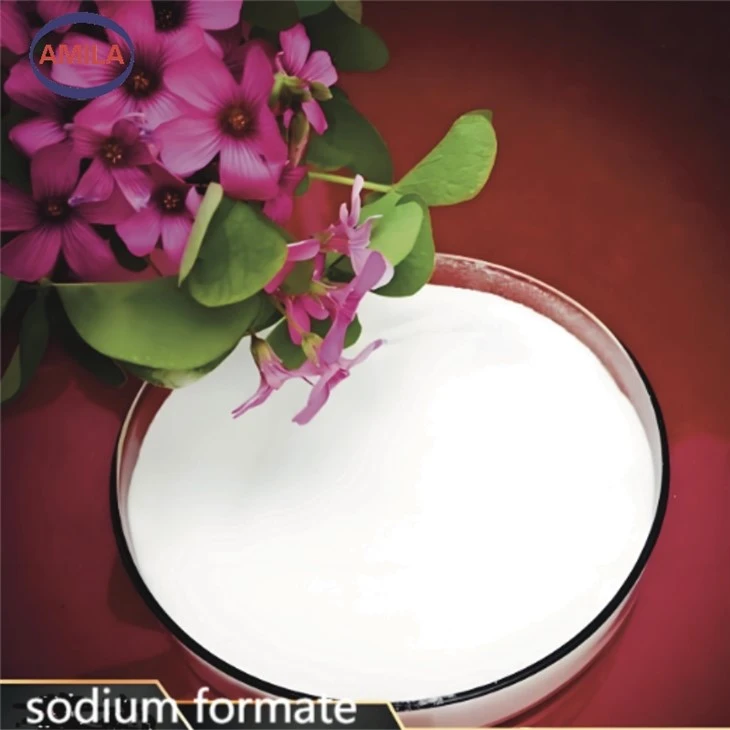
First off, solid sodium formate (HCOONa) is a white, crystalline powder. It's quite soluble in water and has a wide range of applications. You might know it from its uses in industries like oil drilling, leather tanning, and even as a de - icing agent.
If you're interested in other forms of sodium formate, we also have Liquid Sodium Formate. And for specific applications, check out Sodium Formate for Oildrilling and Sodium Formate for Leather Tanning.
Reaction Conditions with Carbon Compounds
Temperature
Temperature plays a crucial role in the reactions between solid sodium formate and carbon compounds. In general, higher temperatures can increase the reaction rate. For example, when reacting with some simple carbon - based organic compounds like methanol (CH₃OH), an elevated temperature can help break the chemical bonds in both substances more easily.
At room temperature, the reaction between solid sodium formate and methanol might be very slow or even negligible. But when we heat the mixture to around 60 - 80°C, the reaction starts to pick up. The heat provides the necessary activation energy for the reactants to overcome the energy barrier and form new products.
However, we need to be careful not to go too high with the temperature. If the temperature is excessive, side reactions might occur. For instance, some carbon compounds could decompose at very high temperatures, leading to the formation of unwanted by - products.
Pressure
Pressure can also have an impact on these reactions. In some cases, increasing the pressure can force the reactant molecules closer together, increasing the frequency of collisions. This is especially important for reactions involving gaseous carbon compounds.
Let's say we're reacting solid sodium formate with carbon monoxide (CO), which is a gas. By increasing the pressure, we can increase the concentration of CO in the reaction system. According to the collision theory, more frequent collisions between the sodium formate and CO molecules mean a higher probability of successful reactions.
But just like with temperature, there's a limit. Excessive pressure can be dangerous and might require special equipment to handle. It can also cause mechanical stress on the reaction vessels, which could lead to safety hazards.
Catalysts
Catalysts are substances that can speed up a chemical reaction without being consumed in the process. When it comes to the reactions between solid sodium formate and carbon compounds, catalysts can be a game - changer.

For example, some metal - based catalysts like palladium (Pd) or nickel (Ni) can significantly lower the activation energy of the reaction. They do this by providing an alternative reaction pathway. With a catalyst present, the reaction can occur at lower temperatures and pressures than without it.
This is great for industrial applications because it can save energy and reduce costs. It also allows for more precise control of the reaction conditions, leading to higher yields of the desired products.
Solvents
The choice of solvent can also affect the reaction. A good solvent should be able to dissolve both the solid sodium formate and the carbon compound to some extent. This ensures that the reactants can mix well and come into contact with each other.
Water is a common solvent for many reactions involving sodium formate because it can dissolve sodium formate easily. However, for some carbon compounds that are not very soluble in water, we might need to use organic solvents like ethanol or acetone.
The properties of the solvent, such as its polarity and boiling point, can also influence the reaction. For example, a polar solvent can interact with the charged particles in the reaction, which can either enhance or inhibit the reaction depending on the nature of the reactants.
Specific Reactions and Their Conditions
Reaction with Formaldehyde (HCHO)
When solid sodium formate reacts with formaldehyde, the reaction conditions are relatively mild compared to some other reactions. A slightly basic medium is usually preferred, which can be achieved by adding a small amount of sodium hydroxide (NaOH).
The temperature for this reaction is typically in the range of 40 - 60°C. At this temperature, the reaction can proceed at a reasonable rate to form products such as formic acid esters.
Reaction with Benzene (C₆H₆)
Reaction between solid sodium formate and benzene is more challenging because benzene is a relatively stable compound. It usually requires more extreme conditions.
A strong Lewis acid catalyst, such as aluminum chloride (AlCl₃), is often used. The reaction is carried out at relatively high temperatures, around 100 - 120°C, and under an inert atmosphere (like nitrogen) to prevent side reactions with oxygen in the air.
Industrial Applications and Why These Conditions Matter
In the industrial world, the reaction conditions between solid sodium formate and carbon compounds are carefully controlled to optimize production.
For example, in the production of certain chemicals used in the pharmaceutical industry, the purity and yield of the products are crucial. By precisely controlling the temperature, pressure, catalysts, and solvents, we can ensure that the reactions produce high - quality products with minimal waste.
In the oil - drilling industry, the reactions involving sodium formate and carbon compounds can be used to improve the properties of drilling fluids. By controlling the reaction conditions, we can create drilling fluids with better viscosity and lubrication properties, which can enhance the efficiency of the drilling process.
Conclusion
So, as you can see, the reaction conditions between solid sodium formate and carbon compounds are complex and depend on many factors. Temperature, pressure, catalysts, solvents, and the specific nature of the carbon compounds all play important roles.
If you're in an industry that could benefit from using solid sodium formate in reactions with carbon compounds, or if you just have more questions about our products, don't hesitate to reach out. We're here to help you understand the best reaction conditions for your specific needs and to provide high - quality solid sodium formate. Let's have a chat about your requirements and see how we can work together!
References
- Atkins, P., & de Paula, J. (2014). Physical Chemistry. Oxford University Press.
- McMurry, J. (2016). Organic Chemistry. Cengage Learning.
Send Inquiry