


What functions does sodium formate have in water treatment?
Aug 01, 2025
Leave a message
In the realm of water treatment, various chemicals play pivotal roles in ensuring the quality and safety of water. One such chemical that has gained significant attention is sodium formate. As a reliable sodium formate supplier, I am well - versed in the multiple functions that sodium formate serves in water treatment. This blog post aims to explore these functions in detail, providing a comprehensive understanding of its importance in the water treatment industry.
Corrosion Inhibition
One of the primary functions of sodium formate in water treatment is corrosion inhibition. In industrial water systems, such as cooling towers and boilers, metal components are constantly exposed to water. Over time, this exposure can lead to corrosion, which not only reduces the lifespan of the equipment but also poses risks to the overall system's efficiency.
Sodium formate acts as a corrosion inhibitor by forming a protective film on the metal surface. When dissolved in water, it dissociates into sodium ions and formate ions. The formate ions can adsorb onto the metal surface, creating a barrier that prevents the corrosive agents in the water, such as oxygen and certain acids, from coming into direct contact with the metal. This protective layer reduces the rate of metal oxidation and dissolution, thereby minimizing corrosion.
For example, in a cooling tower system, where water is continuously circulated and in contact with metal pipes and heat exchangers, adding an appropriate amount of sodium formate can significantly extend the service life of these components. This not only saves on replacement costs but also ensures the stable operation of the cooling system.
pH Adjustment
Maintaining the proper pH level is crucial in water treatment. Different water treatment processes and applications require specific pH ranges for optimal performance. Sodium formate can be used as a pH buffer in water treatment.
Formic acid, which is related to sodium formate, is a weak acid. When sodium formate is added to water, it can react with hydrogen ions in the water according to the following equilibrium: H⁺ + HCOO⁻ ⇌ HCOOH. This equilibrium reaction allows sodium formate to either consume excess hydrogen ions (when the water is too acidic) or release formate ions to react with water and increase the hydroxide ion concentration (when the water is too alkaline).
In wastewater treatment plants, for instance, where the pH of the incoming wastewater can vary widely, sodium formate can be used to adjust the pH to a suitable range for subsequent treatment processes, such as coagulation and flocculation. These processes are highly pH - dependent, and a proper pH adjustment can enhance the efficiency of removing suspended solids and other contaminants from the water.
Biological Treatment Enhancement
In biological water treatment processes, such as activated sludge systems, microorganisms play a key role in breaking down organic pollutants in the water. Sodium formate can serve as a carbon source for these microorganisms.
Microorganisms require a source of carbon to grow and carry out their metabolic activities. Sodium formate provides a readily available and easily biodegradable carbon source. When added to the biological treatment system, it can stimulate the growth and activity of beneficial microorganisms.
For example, in a wastewater treatment plant treating industrial wastewater with a low carbon - to - nitrogen ratio, adding sodium formate can balance the nutrient requirements of the microorganisms. This promotes the efficient degradation of organic matter in the wastewater, resulting in a higher removal rate of chemical oxygen demand (COD) and biological oxygen demand (BOD).
Scale Prevention
Scale formation is a common problem in water systems, especially in those where water is heated or concentrated. Scale, which is mainly composed of calcium carbonate, magnesium carbonate, and other insoluble salts, can accumulate on the surfaces of pipes, heat exchangers, and other equipment, reducing heat transfer efficiency and clogging pipes.
Sodium formate can act as a scale inhibitor. It can complex with metal ions, such as calcium and magnesium ions, in the water. By forming soluble complexes with these ions, sodium formate prevents them from precipitating out as scale - forming salts. This keeps the metal ions in solution and reduces the likelihood of scale formation.


In a boiler system, where water is heated to generate steam, the presence of scale can lead to significant energy losses and potential safety hazards. Adding sodium formate to the boiler water can effectively prevent scale formation, ensuring the efficient operation of the boiler and reducing maintenance costs.
Applications in Specific Water Treatment Scenarios
Oilfield Produced Water Treatment
In the oil and gas industry, large amounts of produced water are generated during the oil extraction process. This water contains various contaminants, including oil, heavy metals, and salts. Sodium formate has several applications in oilfield produced water treatment.
It can be used as a corrosion inhibitor in the pipelines and equipment used for transporting and treating the produced water. Additionally, as a carbon source, it can enhance the biological treatment of the produced water, helping to break down the organic contaminants present. For more information on the use of sodium formate in oil drilling, you can visit Sodium Formate for Oildrilling.
Drinking Water Treatment
In drinking water treatment plants, sodium formate can be used in small quantities for pH adjustment and as an auxiliary agent in the disinfection process. It can help to optimize the conditions for the action of disinfectants, such as chlorine, and improve the overall water quality.
Our Sodium Formate Products
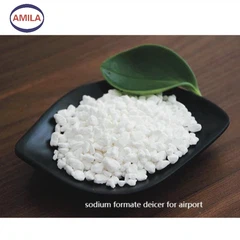
As a sodium formate supplier, we offer high - quality sodium formate products. Our Sodium Formate 95% Min and Sodium Formate 98% Min products are produced under strict quality control standards. They are suitable for a wide range of water treatment applications, from small - scale domestic water treatment systems to large - scale industrial water treatment plants.
Conclusion
Sodium formate plays a multifaceted role in water treatment. Its functions in corrosion inhibition, pH adjustment, biological treatment enhancement, and scale prevention make it an essential chemical in the water treatment industry. Whether it is in industrial water systems, wastewater treatment plants, or oilfield produced water treatment, sodium formate can contribute to improving water quality, reducing equipment damage, and enhancing the efficiency of water treatment processes.
If you are interested in our sodium formate products for your water treatment needs, please feel free to contact us for further discussion and procurement negotiation. We are committed to providing you with the best products and services to meet your specific requirements.
References
- "Water Treatment Chemicals: A Guide to Their Use and Applications" by A. J. Rubin.
- "Industrial Water Treatment Handbook" by P. N. Cheremisinoff.
- Research papers on the application of sodium formate in water treatment from scientific journals such as "Journal of Water Treatment Technology" and "Water Research".
Send Inquiry