


What is the storage temperature of airport runway deicers?
Aug 13, 2025
Leave a message
What is the storage temperature of airport runway deicers?
As a supplier of Airport Runway Deicer, I've received numerous inquiries regarding the ideal storage temperature for these essential products. Understanding the correct storage temperature is crucial for maintaining the effectiveness and longevity of airport runway deicers. In this blog post, I'll delve into the science behind storage temperatures, explore the factors influencing them, and provide practical guidance for proper storage.
The Science Behind Storage Temperatures
Airport runway deicers are formulated to perform optimally under specific conditions. The storage temperature plays a vital role in preserving the chemical properties and physical characteristics of these deicers. Most deicers are sensitive to temperature fluctuations, which can lead to changes in their composition, consistency, and effectiveness.
For instance, extreme cold temperatures can cause deicers to freeze, leading to the formation of ice crystals that can damage the product's structure. On the other hand, high temperatures can accelerate chemical reactions, causing the deicer to degrade or lose its effectiveness over time. Therefore, maintaining the appropriate storage temperature is essential to ensure that the deicer remains in its original state and performs as intended.
Factors Influencing Storage Temperatures
Several factors influence the ideal storage temperature for airport runway deicers. These include the type of deicer, its chemical composition, and the storage environment.
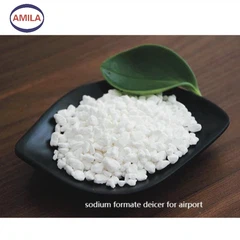
- Type of Deicer: Different types of deicers have different temperature requirements. For example, liquid deicers are generally more sensitive to temperature changes than solid deicers. Liquid deicers can freeze at low temperatures, while high temperatures can cause them to evaporate or separate into their components. Solid deicers, such as Sodium Formate Granules, are more stable and can tolerate a wider range of temperatures.
- Chemical Composition: The chemical composition of the deicer also affects its storage temperature. Deicers containing organic compounds, such as glycols, are more sensitive to temperature changes than those containing inorganic compounds, such as salts. Organic compounds can break down at high temperatures, while low temperatures can cause them to become viscous or solidify.
- Storage Environment: The storage environment plays a crucial role in maintaining the appropriate storage temperature. Deicers should be stored in a cool, dry place away from direct sunlight and sources of heat. The storage area should be well-ventilated to prevent the buildup of moisture and fumes. Additionally, the storage containers should be tightly sealed to prevent contamination and evaporation.
Recommended Storage Temperatures
Based on the factors mentioned above, the recommended storage temperature for airport runway deicers varies depending on the type of deicer. Here are some general guidelines:


- Liquid Deicers: Liquid deicers should be stored at temperatures between 32°F (0°C) and 100°F (38°C). Temperatures below freezing can cause the deicer to freeze, while temperatures above 100°F (38°C) can cause it to evaporate or degrade.
- Solid Deicers: Solid deicers, such as Sodium Formate Granules, can be stored at temperatures between -20°F (-29°C) and 120°F (49°C). However, it's important to note that extreme temperatures can still affect the deicer's performance, so it's best to store it in a cool, dry place.
Practical Tips for Proper Storage
To ensure that your airport runway deicers are stored properly, here are some practical tips:
- Choose the Right Storage Container: Deicers should be stored in containers that are made of a material that is compatible with the deicer's chemical composition. For example, liquid deicers should be stored in plastic or metal containers, while solid deicers can be stored in bags or drums.
- Label the Storage Containers: Each storage container should be clearly labeled with the type of deicer, its expiration date, and the recommended storage temperature. This will help you keep track of your inventory and ensure that the deicers are used before they expire.
- Monitor the Storage Temperature: It's important to monitor the storage temperature regularly to ensure that it remains within the recommended range. You can use a thermometer to check the temperature of the storage area and make adjustments as needed.
- Keep the Storage Area Clean: The storage area should be kept clean and free of debris to prevent contamination of the deicers. Additionally, the storage containers should be inspected regularly for signs of damage or leakage.
Conclusion
In conclusion, the storage temperature of airport runway deicers is a critical factor in maintaining their effectiveness and longevity. By understanding the science behind storage temperatures, the factors influencing them, and the recommended storage temperatures, you can ensure that your deicers are stored properly and perform as intended. If you have any questions or need further information about the storage of airport runway deicers, please don't hesitate to contact us. We're here to help you keep your runways safe and operational during the winter months.
If you're interested in purchasing high-quality Airport Runway Deicer or Ecological Chlorine Free Snow Melting Agent, we invite you to reach out to us for a detailed discussion. Our team of experts is ready to assist you in finding the right solution for your specific needs. Let's work together to ensure the safety and efficiency of your airport operations.
References
- ASTM International. (2023). Standard Specification for Liquid Deicers for Airport Pavements. ASTM D1133-23.
- Federal Aviation Administration. (2023). Airport Winter Safety and Operations. Advisory Circular 150/5200-30D.
- Transportation Research Board. (2023). Snow and Ice Control on Highways and Airports: A Synthesis of Highway Practice. NCHRP Synthesis 521.
Send Inquiry