


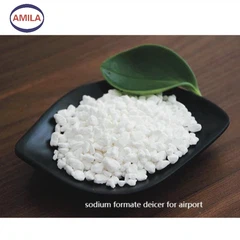

Feed Grade Potassium Diformate
Chemical Name: POTASSIUM DIFORMATE; FORMIC ACID, POTASSIUM SALT (2:1); potassium formate(1:2); Potassium hydrogen diformate (KHF)
CAS: 20642-05-1
Molecular structure: C2H3KO4
Molecular weight: 130.14
Appearance: White or light yellow crystal or crystal powder, It is easily soluble in water and highly hygroscopic; it is stable under acidic conditions, and easy to decompose into formic acid and formate under neutral or slightly alkaline conditions.
Potassium Diformate(K Diformate)

Potassium diformate is a non-antibiotic feed additive approved by the European Union in 2001 to replace antibiotic growth promoters. It is an ideal substitute for antibiotic growth promoters and has a good bactericidal effect on Escherichia coli and Salmonella.
The main reason why potassium diformate has become an antibiotic alternative allowed by the EU is its safety and antibacterial effect, based on a simple and unique molecular structure. The main components of formic acid and potassium formate exist in nature or in the intestines of pigs, and finally (oxidized and metabolized in the liver) decompose into carbon dioxide and water, which can be completely biodegraded. It reduces the excretion of pathogenic bacteria and nitrogen and phosphorus in animals, effectively purifying the growth environment of animals.
Specification
|
Item |
Potassium Diformate |
|
|
Appearance |
White crystal Powder |
White crystal Powder |
|
Potassium diformate% |
≥98 |
≥95 |
|
As % ≤ |
2ppm |
2ppm |
|
Heavy Metal(Pb)% ≤ |
10ppm |
10ppm |
|
Anti-Caking Agent(SiO2)%≤ |
- |
3.0 |
|
Moisture % ≤ |
3.0 |
3.0 |
Potassium diformate has the following characteristics when used as a feed additive
◎ 01,Lower intestinal pH
After animals eat potassium diformate, since the gastric juice is acidic, potassium diformate is not decomposed when passing through the stomach and can safely reach the intestines. The place where potassium diformate acts is mainly in the intestine. Under alkaline conditions in the intestine, potassium diformate dissociates and decomposes into formic acid and potassium formate, releasing H+ and lowering the pH value of the intestine.
Móz et al. reported that adding 0.9% or 1.8% feed grade potassium diformate to the diet can significantly reduce the pH value of duodenal digesta in pigs.
Huang Xiaochun et al. reported that adding 4.5g/kg feed grade potassium diformate to the diet significantly reduced the pH value of chyme in the jejunum and cecum of broiler chickens. However, their research showed that potassium diformate can also reduce the gizzard content of broiler chickens. pH value of the substance.
Potassium diformate lowers the intestinal pH value, which not only increases the zymogen activation rate and the activity of digestive enzymes, but also inhibits the reproduction of bacteria, such as inhibiting the growth of harmful bacteria such as Escherichia coli and Salmonella.
◎ 02,Bacteriostatic and bactericidal effects
When potassium diformate dissociates in the intestine, the dissociated formic acid and potassium formate salt both have antibacterial effects. Among them, formic acid molecules can pass through the bacterial cell wall and enter the cells. Once formic acid enters the cells, it lowers the intracellular pH value, inhibits the activity of intracellular enzymes, destroys the bacterial nutrient transport system, prevents bacteria from multiplying, and causes bacterial death. Formate ions can decompose bacterial cell wall proteins outside the bacterial cell wall and also have a bactericidal effect.
Canibe et al. reported that potassium diformate can reduce the number of total anaerobic bacteria and lactobacilli in the chyme of the distal small intestine, cecum, and middle large intestine of pigs.
Huang Xiaochun et al. reported that adding 4.5g/kg potassium diformate to the diet significantly reduced the numbers of Lactobacilli and Escherichia coli in the cecum of broilers.

◎ 03,Improve nutrient digestibility
The decrease in pH value is conducive to the secretion of proteases and proteases, and increases the activity of proteases, thereby promoting the animal's absorption of dietary nutrients and reducing the excretion of mineral elements nitrogen and phosphorus.
Roth and Windisch reported that adding 1.8% potassium diformate to piglet diets reduced the excretion of nitrogen in piglet feces and urine by 10% and increased the nitrogen retention by 7%.
Mroz et al. reported that adding 1% potassium diformate to the diet of growing and finishing pigs increased the utilization rate of crude protein by 4.34%, the utilization rate of phosphorus by 1.75%, and the utilization rate of lysine by 2.8%.
◎ 04,Affects carcass quality
Øverland et al. reported that adding 0.6% or 1.2% potassium diformate to the diet of growing and finishing pigs can not only increase the lean meat rate of the pig neck, waist and legs and reduce the fat rate of the pig carcass, but also reduce the incidence of PSE meat (a kind of inferior meat, the main feature of which is that the muscle color of the pig is pale, the texture is loose and inelastic after slaughter), and improve the carcass quality of the pig.
Hot Tags: feed grade potassium diformate, China feed grade potassium diformate manufacturers, suppliers, factory, potassium diformate for feed sampling, potassium diformate for feed industry exhibitions, potassium diformate for feed industry workshops, potassium diformate for feed industry market share, potassium diformate for feed quality control, potassium diformate for feed industry market opportunities
You Might Also Like


Send Inquiry