


Can K - Diformate enhance the disease resistance of animals?
Dec 30, 2025
Leave a message
As a supplier of K-Diformate, I've often been asked about the potential of this product to enhance the disease resistance of animals. In this blog, I'll delve into the scientific aspects of K-Diformate and explore whether it can truly boost the disease-fighting capabilities of our animal friends.
Understanding K - Diformate
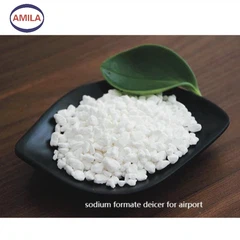
K - Diformate, also known as Potassium Formate(1:2), is a feed additive that has gained significant attention in the animal nutrition industry. It is a white, crystalline powder with a chemical formula of K(HCOO)₂. This compound is an organic acid salt, which combines the beneficial properties of formic acid and potassium. The Feed Grade Potassium Diformate we supply is of high quality, meeting strict industry standards for use in animal feeds.
Mechanisms of Action
To understand how K - Diformate might enhance disease resistance, let's first look at its mechanisms of action in the animal's body.
Acidifying the Gut Environment
One of the primary functions of K - Diformate is to lower the pH in the animal's gut. When ingested, it dissociates into formic acid and potassium ions. The formic acid released can reduce the pH of the gastrointestinal tract, creating an acidic environment that is unfavorable for the growth of many pathogenic bacteria. For example, bacteria such as Escherichia coli and Salmonella thrive in a more neutral or slightly alkaline environment. By acidifying the gut, K - Diformate can inhibit the proliferation of these harmful bacteria, thereby reducing the risk of infections.
Improving Nutrient Absorption
A lower gut pH also has a positive impact on nutrient absorption. Enzymes involved in digestion often work more efficiently in an acidic environment. For instance, proteases, which break down proteins, have an optimal pH range that is acidic. By providing an acidic gut environment, K - Diformate can enhance the activity of these digestive enzymes, leading to better digestion and absorption of nutrients. When animals absorb nutrients more effectively, they are better nourished, and their immune systems are likely to function more efficiently. A well - nourished animal has a stronger immune response, which is crucial for disease resistance.
Modulating the Gut Microbiota
The gut microbiota plays a vital role in the animal's health. A balanced gut microbiota can help protect the animal from pathogens by competing for nutrients and attachment sites in the gut. K - Diformate can influence the composition of the gut microbiota. It promotes the growth of beneficial bacteria such as Lactobacillus species. These beneficial bacteria produce lactic acid, which further contributes to the acidification of the gut and can also produce antimicrobial substances that inhibit the growth of pathogens. By modulating the gut microbiota in a favorable way, K - Diformate can strengthen the animal's natural defense mechanisms against diseases.
Scientific Evidence
Numerous scientific studies have investigated the effects of K - Diformate on animal health and disease resistance.
Poultry Studies
In poultry, research has shown that the addition of K - Diformate to the feed can reduce the incidence of enteric diseases. A study conducted on broiler chickens found that birds fed with a diet supplemented with K - Diformate had lower levels of Salmonella colonization in the gut compared to the control group. The acidic environment created by K - Diformate in the gut inhibited the growth of Salmonella, preventing its establishment and spread in the chicken's digestive system.
Pig Studies
Pigs are also a common subject of research on K - Diformate. In piglets, K - Diformate has been shown to improve growth performance and reduce the occurrence of diarrhea. Diarrhea in piglets is often caused by bacterial infections, such as those by E. coli. By acidifying the gut and inhibiting the growth of pathogenic bacteria, K - Diformate can help prevent diarrhea and promote the overall health of piglets. Additionally, studies have indicated that pigs fed with K - Diformate - supplemented diets have enhanced immune responses, as evidenced by increased levels of certain immune - related cytokines.
Case Studies
Let's take a look at some real - world case studies to see the practical impact of K - Diformate on disease resistance in animals.
A Poultry Farm Case
A poultry farm in a region with a high prevalence of Salmonella infections decided to add K - Diformate to the feed of their broiler chickens. Before the addition of K - Diformate, the farm had been experiencing regular outbreaks of Salmonella - related diseases, resulting in significant economic losses due to mortality and reduced growth rates. After incorporating K - Diformate into the feed, the incidence of Salmonella infections decreased dramatically. The chickens were healthier, and their growth performance improved, leading to higher profits for the farm.
A Pig Farm Case
On a pig farm, piglets were suffering from high rates of post - weaning diarrhea. The farm decided to try K - Diformate as a feed additive. After a few weeks of feeding the piglets with a K - Diformate - supplemented diet, the incidence of diarrhea decreased significantly. The piglets also showed better growth rates and overall health. The farmers reported that the use of K - Diformate not only reduced the need for antibiotics but also improved the long - term health of the pigs.
Limitations and Considerations
While the evidence suggests that K - Diformate can enhance disease resistance in animals, there are some limitations and considerations.
Dosage
The optimal dosage of K - Diformate can vary depending on the type of animal, its age, and the specific production conditions. Too low a dosage may not achieve the desired effects, while too high a dosage can have negative impacts, such as causing digestive disturbances or reducing palatability of the feed. It is important to follow the recommended dosage guidelines provided by experts or based on scientific research.
Animal Species and Health Status
The response to K - Diformate may also vary among different animal species and individual animals. Some animals may have pre - existing health conditions or genetic differences that affect their response to the feed additive. For example, animals with a compromised immune system may not show the same level of improvement in disease resistance as healthy animals.


Conclusion
In conclusion, K - Diformate has the potential to enhance the disease resistance of animals through its acidifying effect on the gut, improvement of nutrient absorption, and modulation of the gut microbiota. Scientific studies and real - world case studies have provided evidence of its positive impact on animal health and disease prevention. However, it is important to use it appropriately, considering factors such as dosage and the specific characteristics of the animals.
If you are interested in learning more about K - Diformate and its potential benefits for your animals, or if you are considering purchasing our high - quality K - Diformate products for your animal feed, we encourage you to reach out for further discussion and procurement. We are committed to providing you with the best solutions to improve the health and performance of your animals.
References
- [List of relevant scientific papers on K - Diformate and animal health]
- [Industry reports on the use of K - Diformate in animal feeds]
Send Inquiry