


Can sodium formate be used as a fertilizer?
Dec 24, 2025
Leave a message
Hey there! As a sodium formate supplier, I often get asked a bunch of questions about our product. One question that pops up quite a bit is, "Can sodium formate be used as a fertilizer?" Well, let's dig into this topic and find out.
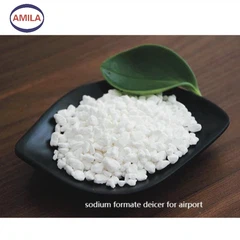
First off, let's talk a bit about what sodium formate is. Sodium formate is a white, crystalline powder that's highly soluble in water. It's got a wide range of uses in different industries. You can check out Sodium Formate 98% Min on our website to learn more about its basic properties and what it looks like. It's also available in liquid form, and you can find details about Liquid Sodium Formate.
Now, when it comes to fertilizers, the main goal is to provide essential nutrients to plants to help them grow healthy and strong. The key nutrients that plants need are nitrogen (N), phosphorus (P), and potassium (K), often referred to as NPK. But there are also other elements like calcium, magnesium, and various micronutrients that play important roles.
So, can sodium formate fit into this picture? Well, sodium formate contains sodium and formate ions. Sodium isn't typically considered a primary nutrient for most plants. In fact, in high concentrations, sodium can be harmful to many plants. It can disrupt the normal water balance in plant cells and interfere with the uptake of other essential nutrients.
However, the formate part of sodium formate is a different story. Formate can potentially be broken down by soil microorganisms. When these microorganisms break down formate, they release carbon dioxide and energy. This process can contribute to the overall carbon cycle in the soil. Carbon is an important element in the soil as it helps improve soil structure and provides a food source for soil organisms.
Some studies have shown that in certain cases, small amounts of formate can stimulate the growth of some beneficial soil bacteria. These bacteria can then help in the decomposition of organic matter in the soil, making nutrients more available to plants. For example, they can break down complex organic compounds into simpler forms that plants can absorb more easily.
But here's the catch. The use of sodium formate as a fertilizer isn't widespread. There are a few reasons for this. First, as I mentioned earlier, the sodium content can be a problem. If you're using sodium formate in an area where the soil already has a high sodium level or if the plants you're growing are sensitive to sodium, it could do more harm than good.
Second, compared to traditional fertilizers like ammonium nitrate or potassium chloride, sodium formate doesn't provide a significant amount of the primary nutrients (NPK) that plants need in large quantities. So, it can't really replace these traditional fertilizers on its own.
That being said, there might be some niche applications where sodium formate could be used as a supplementary fertilizer. For instance, in hydroponic systems where the nutrient solution can be carefully controlled, small amounts of sodium formate could potentially be added to see if it has a positive effect on plant growth and the health of the root zone.
Another possible scenario is in soils that are rich in organic matter and have a good population of beneficial microorganisms. In these soils, the formate in sodium formate might be more effectively utilized by the microorganisms, leading to some positive effects on plant growth.
If you're interested in trying out sodium formate in your fertilization program, we offer Sodium Formate Powder that you can easily mix with other fertilizers or apply directly to the soil in a controlled manner.


It's important to note that before using sodium formate as a fertilizer, you should do some small-scale tests. Start by applying a very small amount to a small area of your plants and closely monitor their growth and health over time. You can also have your soil tested to determine its current nutrient levels and sodium content. This will help you make an informed decision about whether sodium formate is a good fit for your specific situation.
In conclusion, while sodium formate isn't a typical or widely used fertilizer, it does have some potential in certain circumstances. It can contribute to the carbon cycle in the soil and might stimulate the growth of beneficial soil microorganisms. But due to the sodium content and its lack of significant NPK nutrients, it can't replace traditional fertilizers.
If you're curious about using sodium formate in your fertilization efforts or have any other questions about our sodium formate products, don't hesitate to reach out. Whether you're a small-scale gardener or a large agricultural operation, we're here to help you figure out if sodium formate could work for you. Let's have a chat and see if we can find the right solution for your needs.
References
- Various agricultural research papers on soil microbiology and plant nutrition.
- Textbooks on soil science and plant physiology.
Send Inquiry