


How do aircraft deicers work on the cockpit windows of the aircraft?
Sep 29, 2025
Leave a message
Aircraft deicing is a critical process, especially when it comes to the cockpit windows. As a leading supplier of aircraft deicers, we understand the importance of this operation and the science behind it. In this blog post, we'll delve into how aircraft deicers work on the cockpit windows of an aircraft.
The Importance of Deicing Cockpit Windows
Cockpit windows are the eyes of the aircraft. They provide pilots with a clear view of the runway, other aircraft, and the surrounding environment. Any ice or snow buildup on these windows can severely impair visibility, posing a significant safety risk. Ice can distort the view, create glare, and even block the pilot's line of sight. Therefore, ensuring that cockpit windows are free from ice and snow is crucial for safe takeoff, flight, and landing.
How Ice Forms on Cockpit Windows
Before we understand how deicers work, it's essential to know how ice forms on cockpit windows. Ice can form in several ways. One common way is through supercooled water droplets in the atmosphere. These droplets are still in a liquid state even though the temperature is below freezing. When these droplets come into contact with the cold surface of the cockpit window, they instantly freeze, forming ice.
Another way ice can form is through frost. When the temperature of the cockpit window drops below the dew point of the surrounding air, water vapor in the air condenses on the window surface and freezes, creating frost.
The Science Behind Aircraft Deicers
Aircraft deicers are designed to prevent ice formation and remove existing ice and snow from the aircraft's surfaces, including the cockpit windows. Most deicers work based on the principle of freezing point depression. This means that they lower the freezing point of water, preventing it from turning into ice at normal freezing temperatures.
The main active ingredients in aircraft deicers are typically glycols, such as ethylene glycol or propylene glycol. These glycols have a lower freezing point than water. When they are mixed with water on the cockpit window, they form a solution with a lower freezing point than pure water. As a result, the water on the window remains in a liquid state, even at sub - freezing temperatures.
In addition to glycols, some deicers also contain additives. These additives can enhance the performance of the deicer. For example, they can improve the wetting ability of the deicer, allowing it to spread more evenly on the window surface. They can also provide corrosion protection for the window materials.
Application of Deicers on Cockpit Windows
The application of deicers on cockpit windows is a carefully regulated process. First, the deicing equipment needs to be properly calibrated to ensure the correct amount of deicer is applied. The deicer is usually sprayed onto the cockpit window using specialized nozzles. These nozzles are designed to create a fine mist or spray pattern, ensuring that the deicer covers the entire window surface evenly.
The temperature of the deicer also plays an important role. Warm deicers are often used because they can melt ice and snow more quickly. However, the temperature of the deicer needs to be carefully controlled to avoid thermal shock to the cockpit window. Thermal shock can cause the window to crack or break, which is extremely dangerous.
Our Aircraft Deicer Products
As a supplier of aircraft deicers, we offer a range of high - quality products. Our Aircraft Deicer is formulated with the latest technology to provide excellent ice - prevention and ice - removal capabilities. It contains a balanced blend of glycols and additives to ensure optimal performance on the cockpit windows.
Our [Eco - friendly Deicer](https://www. ab.com/snow-melting-agent/potassium-formates/eco-friendly-deicer.html) is another great option. It is designed to be environmentally friendly while still providing effective deicing performance. This deicer is made from biodegradable ingredients, reducing its impact on the environment without compromising on quality.
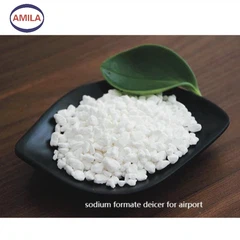
We also offer Potassium Formate for Airport Deicer. Potassium formate is a highly effective deicing agent. It has a low freezing point and is less corrosive than some other deicing agents. This makes it an ideal choice for protecting the delicate cockpit windows.


Testing and Quality Assurance
We understand the critical nature of aircraft deicers, especially when it comes to the cockpit windows. That's why we conduct rigorous testing on all our products. Our deicers are tested in various environmental conditions to ensure they perform well in different weather scenarios.
We also follow strict quality control procedures throughout the manufacturing process. From the selection of raw materials to the final packaging, every step is carefully monitored to ensure that our deicers meet the highest quality standards.
Conclusion
In conclusion, aircraft deicers play a vital role in ensuring the safety of aircraft by preventing ice formation and removing ice and snow from the cockpit windows. By understanding the science behind deicers and the proper application methods, we can effectively protect the cockpit windows and provide pilots with a clear view.
As a leading supplier of aircraft deicers, we are committed to providing high - quality products that meet the needs of our customers. If you are interested in our aircraft deicer products or would like to discuss your specific requirements, please feel free to contact us for procurement and further discussions.
References
- "Aircraft Deicing and Anti - icing Operations", Federal Aviation Administration (FAA)
- "The Chemistry of Aircraft Deicers", Journal of Chemical Education
Send Inquiry