


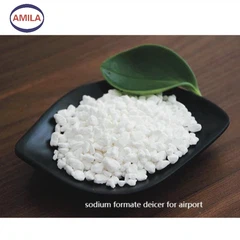
How do aircraft deicers work on the wings of the aircraft?
Sep 23, 2025
Leave a message
Aircraft deicing is a critical process for ensuring the safety and efficiency of air travel, especially in cold and snowy conditions. As a leading Aircraft Deicer supplier, I'm thrilled to share detailed insights into how aircraft deicers work on the wings of an aircraft.
Understanding the Need for Deicing on Aircraft Wings
Before delving into the technicalities of how deicers work, it's essential to understand why deicing is so crucial for aircraft wings. When an aircraft is on the ground in cold weather, ice, snow, or frost can accumulate on its wings. This accumulation disrupts the smooth flow of air over the wing's surface, which is vital for generating lift. Even a thin layer of ice can significantly reduce an aircraft's aerodynamic performance, increasing drag and decreasing lift. This can lead to longer take - off distances, reduced climb rates, and in extreme cases, loss of control during flight. Therefore, removing and preventing ice buildup on the wings is a non - negotiable safety measure.


The Composition of Aircraft Deicers
Aircraft deicers typically fall into two main categories: Type I and Type IV. Type I deicers are designed for immediate ice and snow removal. They are usually a mixture of a glycol - based fluid, such as ethylene glycol or propylene glycol, water, and various additives. These additives can include corrosion inhibitors to protect the aircraft's metal surfaces, surfactants to improve the spreading of the fluid, and dyes to make the deicing process more visible.
Type IV deicers, on the other hand, are used for anti - icing purposes. They have a higher viscosity than Type I deicers and are formulated to remain on the aircraft's surface for an extended period, preventing ice and snow from accumulating during the pre - flight period. Similar to Type I, they are also glycol - based but with different ratios and additional thickening agents.
How Deicers Remove Existing Ice and Snow
When an aircraft is covered with ice and snow, the deicing process begins. The deicing fluid is heated to a specific temperature, usually between 120°F (49°C) and 180°F (82°C), depending on the type of deicer and the environmental conditions. The heated fluid is then sprayed onto the wings using specialized deicing trucks equipped with high - pressure nozzles.
The heat from the deicing fluid plays a crucial role in the initial ice - melting process. As the hot fluid comes into contact with the ice and snow on the wings, it transfers thermal energy to the frozen substances. This causes the ice and snow to melt rapidly. The glycol in the deicing fluid also lowers the freezing point of water. When the fluid mixes with the melted ice and snow, it forms a solution with a lower freezing point than pure water. This means that the melted water is less likely to refreeze on the wings.
The surfactants in the deicing fluid help the fluid spread evenly over the wing's surface. They reduce the surface tension of the fluid, allowing it to cover a larger area and penetrate into small cracks and crevices where ice may be hiding. This ensures that all ice and snow on the wings are effectively removed.
Anti - icing Mechanisms of Deicers
Once the existing ice and snow have been removed, Type IV deicers come into play. These deicers are designed to create a protective barrier on the wings' surface. The thickening agents in Type IV deicers give them a gel - like consistency, which allows them to adhere to the wings even in windy conditions.
The glycol in the Type IV deicer continues to lower the freezing point of any water that may come into contact with the wings. If snow or freezing rain starts to fall after the deicing process, the deicer will mix with the incoming water and prevent it from freezing. The protective layer also acts as a physical barrier, preventing ice crystals from directly attaching to the wing's surface.
The effectiveness of the anti - icing layer depends on several factors, including the type of deicer used, the environmental conditions (such as temperature, humidity, and wind speed), and the amount of deicer applied. Airport operators and deicing crews use guidelines and calculations to determine the appropriate amount of deicer to apply based on these factors.
The Role of Potassium Formate in Aircraft Deicers
Potassium formate is an increasingly popular ingredient in aircraft deicers. Potassium Formate for Airport Deicer offers several advantages. It is an eco - friendly alternative to traditional glycol - based deicers. Potassium formate has a lower environmental impact as it is biodegradable and less toxic to aquatic life.
In terms of performance, potassium formate has excellent ice - melting capabilities. It can lower the freezing point of water significantly, making it effective in cold temperatures. It also has good corrosion - inhibiting properties, which helps protect the aircraft's metal components. When used in aircraft deicers, potassium formate can be combined with other ingredients to create a high - performance deicing solution.
Eco - friendly Deicers and Their Impact
As environmental concerns become more prominent, the demand for Eco - friendly Deicer is on the rise. Traditional glycol - based deicers can have a negative impact on the environment, especially when large amounts are used at airports. They can contaminate water sources and harm aquatic ecosystems.
Eco - friendly deicers, such as those containing potassium formate, are designed to minimize these environmental impacts. They are formulated to break down more quickly in the environment and have lower toxicity levels. Additionally, some eco - friendly deicers are designed to be more efficient, requiring less product to achieve the same deicing and anti - icing results. This not only reduces the environmental footprint but also cuts down on costs for airport operators.
Our Aircraft Deicer Solutions
As an Aircraft Deicer supplier, we offer a wide range of high - quality Aircraft Deicer products. Our deicers are formulated using the latest technology and research to ensure maximum effectiveness and safety.
We understand the unique requirements of different airports and aircraft types. Our Type I deicers are designed for rapid ice and snow removal, while our Type IV deicers provide long - lasting anti - icing protection. We also offer deicers that contain potassium formate, providing an eco - friendly option without compromising on performance.
Our team of experts is always available to provide technical support and advice on the proper use of our deicers. We work closely with airport operators and airlines to ensure that their deicing needs are met efficiently and cost - effectively.
Contact Us for Procurement and Consultation
If you are an airport operator, airline, or any other entity in need of reliable aircraft deicers, we invite you to contact us for procurement and consultation. Our products are designed to meet the highest industry standards and provide you with the peace of mind that your aircraft will be safe and operational in cold weather conditions. Whether you have questions about our products, need a customized deicing solution, or want to discuss pricing and delivery options, our team is ready to assist you.
References
- "Aircraft Deicing and Anti - icing Operations", Federal Aviation Administration (FAA).
- "The Science of Aircraft Deicing", Journal of Aerospace Engineering.
- "Environmental Impact of Aircraft Deicers", Environmental Science and Technology Journal.
Send Inquiry