


How does liquid sodium formate affect the electrical conductivity of solutions?
Dec 05, 2025
Leave a message
As a trusted supplier of Liquid Sodium Formate, I've witnessed firsthand the growing interest in this remarkable compound and its diverse applications. One area that has piqued the curiosity of many researchers and industry professionals is how liquid sodium formate affects the electrical conductivity of solutions. In this blog post, we'll delve into the science behind this phenomenon, exploring the factors at play and the implications for various industries.
Understanding Liquid Sodium Formate
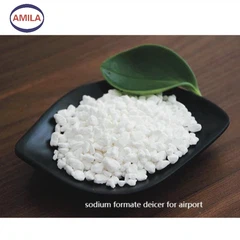
Before we dive into the details of its impact on electrical conductivity, let's take a moment to understand what liquid sodium formate is. Sodium formate (HCOONa) is the sodium salt of formic acid. It is a white, crystalline solid that is highly soluble in water, forming a clear, colorless solution. Liquid sodium formate is a concentrated aqueous solution of this compound, typically containing between 30% and 50% sodium formate by weight.
This compound has a wide range of applications across different industries. For instance, it is used as a Sodium Formate for Leather Tanning, helping to improve the quality and durability of leather products. In the oil and gas industry, it serves as a Sodium Formate for Oildrilling, providing a high-density, environmentally friendly alternative to traditional drilling fluids. Additionally, Solid Sodium Formate is used in de-icing applications, as it can lower the freezing point of water and prevent ice formation on roads and runways.
The Science of Electrical Conductivity
Electrical conductivity is a measure of a material's ability to conduct an electric current. In solutions, this property is primarily determined by the presence of ions, which are atoms or molecules that have gained or lost one or more electrons, giving them a net electrical charge. When an electric field is applied to a solution, these ions move towards the electrodes of opposite charge, creating an electric current.


The conductivity of a solution depends on several factors, including the concentration of ions, their mobility, and the temperature of the solution. Generally, the higher the concentration of ions, the greater the conductivity. However, the relationship between concentration and conductivity is not always linear, as the mobility of ions can be affected by factors such as ion-ion interactions and the viscosity of the solution.
How Liquid Sodium Formate Affects Electrical Conductivity
When liquid sodium formate is added to a solution, it dissociates into sodium ions (Na+) and formate ions (HCOO-). These ions increase the concentration of charged particles in the solution, thereby enhancing its electrical conductivity. The extent to which the conductivity increases depends on the concentration of the sodium formate solution and the nature of the solvent.
In pure water, the addition of liquid sodium formate leads to a significant increase in conductivity. This is because water is a poor conductor of electricity on its own, as it contains only a small number of ions (H+ and OH-) due to its self-ionization. When sodium formate is added, the additional sodium and formate ions provide a much larger number of charge carriers, allowing the solution to conduct electricity more effectively.
However, in solutions that already contain a high concentration of ions, such as saltwater or electrolyte solutions, the effect of liquid sodium formate on conductivity may be less pronounced. This is because the additional ions from the sodium formate may not significantly increase the overall concentration of charge carriers, or they may interact with the existing ions in the solution, reducing their mobility.
Factors Affecting the Impact of Liquid Sodium Formate on Conductivity
Several factors can influence how liquid sodium formate affects the electrical conductivity of a solution. These include:
- Concentration of Sodium Formate: As mentioned earlier, the conductivity of a solution generally increases with the concentration of sodium formate. However, at very high concentrations, the conductivity may reach a maximum and then start to decrease. This is because the high concentration of ions can lead to increased ion-ion interactions, which can reduce the mobility of the ions and limit the flow of electric current.
- Temperature: The conductivity of a solution typically increases with temperature. This is because higher temperatures increase the kinetic energy of the ions, making them more mobile and able to move more freely through the solution. When liquid sodium formate is added to a solution, the temperature can also affect the dissociation of the compound and the solubility of the ions, which can in turn impact the conductivity.
- Nature of the Solvent: The type of solvent used can also have a significant impact on the conductivity of a solution containing liquid sodium formate. For example, polar solvents such as water are better able to dissolve ionic compounds like sodium formate and allow the ions to move freely, resulting in higher conductivity. Non-polar solvents, on the other hand, are generally poor conductors of electricity and may not be able to dissolve sodium formate effectively.
- Presence of Other Solutes: The presence of other solutes in the solution can also affect the conductivity. Some solutes may interact with the sodium and formate ions, either by forming complexes or by competing for the available charge carriers. This can reduce the mobility of the ions and lower the conductivity of the solution.
Applications of the Conductivity Properties of Liquid Sodium Formate
The ability of liquid sodium formate to affect the electrical conductivity of solutions has several practical applications in various industries. Some of these applications include:
- Electrochemical Processes: In electrochemical cells, such as batteries and fuel cells, the conductivity of the electrolyte solution is crucial for efficient operation. Liquid sodium formate can be used as an additive to improve the conductivity of the electrolyte, enhancing the performance and efficiency of these devices.
- Sensors and Detectors: Electrical conductivity sensors are used in a wide range of applications, including environmental monitoring, food and beverage processing, and medical diagnostics. By adding liquid sodium formate to a solution, the conductivity can be adjusted to a desired level, allowing for more accurate and sensitive detection of various analytes.
- Industrial Processes: In some industrial processes, such as electroplating and electrowinning, the conductivity of the electrolyte solution is an important parameter that affects the quality and efficiency of the process. Liquid sodium formate can be used to control the conductivity of the electrolyte, ensuring consistent and reliable results.
Implications for Industries
The impact of liquid sodium formate on electrical conductivity has significant implications for industries that rely on solutions with specific conductivity properties. For example, in the oil and gas industry, the conductivity of drilling fluids can affect the performance of downhole tools and the accuracy of well logging measurements. By using liquid sodium formate to adjust the conductivity of the drilling fluid, operators can improve the efficiency and safety of the drilling process.
In the chemical industry, the conductivity of reaction mixtures can affect the rate and selectivity of chemical reactions. By adding liquid sodium formate to a reaction mixture, chemists can control the conductivity and optimize the reaction conditions, leading to higher yields and better quality products.
Conclusion
In conclusion, liquid sodium formate has a significant impact on the electrical conductivity of solutions. By dissociating into sodium and formate ions, it increases the concentration of charge carriers in the solution, enhancing its ability to conduct electricity. The extent to which the conductivity increases depends on several factors, including the concentration of sodium formate, the temperature, the nature of the solvent, and the presence of other solutes.
As a supplier of liquid sodium formate, we understand the importance of providing high-quality products that meet the specific needs of our customers. Whether you're looking to improve the conductivity of a solution for an industrial process, a research project, or any other application, we can offer you the right product and technical support.
If you're interested in learning more about how liquid sodium formate can benefit your industry or have any questions about our products, please don't hesitate to contact us. We're here to help you find the best solutions for your needs and look forward to the opportunity to discuss your requirements and explore potential partnerships.
References
- Atkins, P. W., & de Paula, J. (2014). Physical Chemistry. Oxford University Press.
- Bard, A. J., & Faulkner, L. R. (2001). Electrochemical Methods: Fundamentals and Applications. John Wiley & Sons.
- Marcus, Y. (2009). Ionic Liquids as Green Solvents: Progress and Prospects. American Chemical Society.
Send Inquiry