


How does potassium formate interact with metals?
Jan 13, 2026
Leave a message
Hey there! I'm a supplier of potassium formate, and I'm super excited to chat with you about how potassium formate interacts with metals. It's a topic that's not only fascinating from a scientific perspective but also has some pretty cool real - world applications.
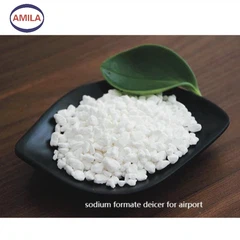
First off, let's talk a bit about potassium formate itself. Potassium formate has the chemical formula HCOOK. It's a white, crystalline salt that's highly soluble in water. It's used in a bunch of different industries, like in Aircraft Deicer, Potassium Formate Liquid, and Potassium Formate for Airport Deicer. But when it comes to metals, how does it play into the picture?
General Interaction Mechanisms
When potassium formate comes into contact with metals, several things can happen. One of the key factors is the formation of a protective layer on the metal surface. In an aqueous solution of potassium formate, the formate ions (HCOO⁻) can adsorb onto the metal surface. This adsorption can change the surface properties of the metal, making it less reactive to the surrounding environment.
For example, in the case of iron and steel, which are widely used in construction and manufacturing, the formate ions can form a thin film on the surface. This film acts as a barrier, preventing oxygen and water from reaching the metal and causing corrosion. The reaction is a bit complex, but in simple terms, the formate ions react with the metal ions on the surface to form a metal - formate complex. This complex is more stable than the bare metal and provides a degree of protection.
Another aspect of the interaction is the role of pH. Potassium formate solutions are usually slightly alkaline. The pH of the solution can influence the corrosion rate of metals. In general, a slightly alkaline environment can be beneficial for some metals as it can passivate the surface. For instance, aluminum is a metal that can form a protective oxide layer in an alkaline environment. The presence of potassium formate can help maintain the appropriate pH level to support the formation and stability of this oxide layer.
Interaction with Different Metals
Iron and Steel
As mentioned earlier, iron and steel are very common metals, and their interaction with potassium formate is of great importance. In the oil and gas industry, for example, pipelines made of steel are used to transport various fluids. Potassium formate can be added to the fluid to prevent corrosion of the pipeline walls.
The formate ions in the solution can react with the iron ions on the surface of the steel. The reaction starts with the adsorption of formate ions on the iron surface. Then, a series of chemical reactions occur, leading to the formation of iron - formate complexes. These complexes are insoluble and form a protective layer on the steel surface. This layer can significantly reduce the corrosion rate, which is crucial for the long - term integrity of the pipelines.
Aluminum
Aluminum is a lightweight and highly reactive metal. It has a natural oxide layer on its surface that protects it from further oxidation. When potassium formate is present in the environment, it can interact with this oxide layer. The slightly alkaline nature of the potassium formate solution can help maintain the integrity of the oxide layer.
In some cases, the formate ions can also react with the aluminum ions in the oxide layer to form a more stable aluminum - formate complex. This complex can enhance the protective properties of the oxide layer, making the aluminum more resistant to corrosion. This is particularly useful in applications where aluminum is exposed to harsh environments, such as in aerospace and automotive industries.


Copper
Copper is another metal that has a unique interaction with potassium formate. Copper is often used in electrical wiring and plumbing due to its excellent conductivity. When copper comes into contact with a potassium formate solution, the formate ions can adsorb onto the copper surface.
The adsorption of formate ions can change the surface potential of the copper. This change in potential can affect the corrosion behavior of copper. In some cases, the formate ions can form a complex with copper ions, which can act as a protective layer. However, the interaction is also influenced by other factors such as the presence of oxygen and other contaminants in the solution.
Real - World Applications
The interaction between potassium formate and metals has some really practical applications. In the deicing industry, for example, potassium formate is used as an alternative to traditional deicers like sodium chloride. Sodium chloride is known to be highly corrosive to metals, especially to the aluminum components of aircraft.
When potassium formate is used as an Aircraft Deicer, its interaction with the aluminum parts of the aircraft is crucial. The formate ions form a protective layer on the aluminum surface, reducing the risk of corrosion. This not only extends the lifespan of the aircraft components but also improves the safety and reliability of the aircraft.
In the oil and gas industry, potassium formate is used in drilling fluids. The drilling process involves the use of metal equipment such as drill pipes and well casings. By adding potassium formate to the drilling fluid, the corrosion of these metal components can be minimized. The formate ions protect the metal surfaces from the harsh chemicals and high - pressure conditions in the wellbore.
Factors Affecting the Interaction
There are several factors that can affect how potassium formate interacts with metals. One of the most important factors is the concentration of potassium formate in the solution. A higher concentration of potassium formate generally means more formate ions are available to interact with the metal surface. However, there is a limit to this. If the concentration is too high, it can cause other problems, such as precipitation of salts or changes in the viscosity of the solution.
Temperature also plays a role. Higher temperatures can increase the rate of chemical reactions. So, at higher temperatures, the interaction between potassium formate and metals may be faster. But this also means that the protective layer formed on the metal surface may be less stable. On the other hand, at lower temperatures, the reaction rate is slower, and the formation of the protective layer may take longer.
The presence of other chemicals in the solution can also influence the interaction. For example, if there are other metal ions or anions in the solution, they can compete with the formate ions for adsorption on the metal surface. This can change the nature and effectiveness of the protective layer.
Benefits in Industrial Use
The use of potassium formate in industrial applications where metal interaction is involved offers several benefits. One of the main benefits is corrosion protection. As we've seen, the formation of a protective layer on the metal surface can significantly reduce the corrosion rate. This means that metal components can last longer, reducing the need for frequent replacement.
Another benefit is environmental friendliness. Compared to some traditional corrosion inhibitors and deicers, potassium formate is relatively non - toxic and biodegradable. This makes it a more sustainable choice for industries that are looking to reduce their environmental impact.
In addition, potassium formate can improve the performance of metal - based systems. For example, in the case of electrical systems, the reduced corrosion of copper wiring can improve the conductivity and reliability of the system.
Conclusion
So, there you have it! The interaction between potassium formate and metals is a complex but fascinating topic. From the formation of protective layers to the influence of pH and other factors, potassium formate can have a significant impact on the behavior of metals. Whether it's protecting pipelines in the oil and gas industry, deicing aircraft, or improving the performance of electrical systems, potassium formate is a versatile and valuable chemical.
If you're in an industry that uses metals and is looking for a reliable and effective solution for corrosion protection or other metal - related applications, potassium formate could be the answer. I'm a supplier of high - quality potassium formate, and I'd love to have a chat with you about how it can fit into your specific needs. Whether you're interested in Aircraft Deicer, Potassium Formate Liquid, or Potassium Formate for Airport Deicer, we can discuss the best options for your business. Don't hesitate to reach out and start a conversation about your potassium formate requirements!
References
- Jones, D. A. (1992). Principles and prevention of corrosion. Prentice Hall.
- Uhlig, H. H., & Revie, R. W. (1985). Corrosion and corrosion control: an introduction to corrosion science and engineering. Wiley.
- Fontana, M. G. (1986). Corrosion engineering. McGraw - Hill.
Send Inquiry