


How does Sodium Formate Powder remove contaminants from water?
Sep 12, 2025
Leave a message
Hey there! As a supplier of Sodium Formate Powder, I often get asked about how this nifty little chemical can help clean up water. Well, let's dive right in and explore how Sodium Formate Powder works its magic in removing contaminants from water.
Understanding Sodium Formate Powder
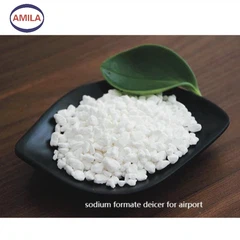
First off, let's talk a bit about Sodium Formate itself. Sodium Formate is a white, crystalline powder that's highly soluble in water. It's got a bunch of uses, from being a feed additive [check out Sodium Formate 99% Min, Feed Grade Sodium Formate, and Sodium Formate 98% Min] to being used in various industrial processes. But today, we're focusing on its water - cleaning superpowers.
How It Removes Contaminants
1. Chemical Reduction
One of the main ways Sodium Formate Powder helps clean water is through chemical reduction. Many water contaminants, like heavy metals such as mercury, lead, and chromium, exist in their oxidized states. Oxidized heavy metals are often more soluble in water, which makes them easier to spread and more toxic to living organisms.
Sodium Formate acts as a reducing agent. When it's added to water contaminated with these heavy metals, it donates electrons to the metal ions. This causes the metal ions to change from a higher oxidation state to a lower one. For example, hexavalent chromium (Cr(VI)), which is highly toxic, can be reduced to trivalent chromium (Cr(III)) by Sodium Formate. Trivalent chromium is less toxic and less soluble in water, which means it's easier to separate from the water.
The chemical reaction can be a bit complex, but in simple terms, the Sodium Formate (HCOONa) reacts with the metal ions in the water. The formate ion (HCOO⁻) in Sodium Formate gives up electrons, and the metal ions gain those electrons. This reduction process changes the chemical properties of the metal ions, making them precipitate out of the water as solid particles.
2. Precipitation and Coagulation
Once the heavy metals are reduced to a less soluble form, they start to form solid particles in the water. These particles are called precipitates. Sodium Formate can also play a role in helping these precipitates come together and form larger clumps through a process called coagulation.
When the metal precipitates are small, they can stay suspended in the water, making it difficult to remove them. But Sodium Formate can interact with the surface of these particles, neutralizing their surface charges. When the surface charges are neutralized, the particles are more likely to stick together and form larger, heavier clumps. These larger clumps, or flocs, are easier to separate from the water through processes like sedimentation or filtration.
3. pH Adjustment
The pH of water can have a big impact on the solubility of contaminants. Many heavy metals are more soluble in acidic water. Sodium Formate can act as a buffer in water, helping to adjust the pH to a more neutral or slightly alkaline range.
When the pH is adjusted, the solubility of the heavy metals decreases. For example, some metal hydroxides are less soluble at higher pH values. By adding Sodium Formate to the water, we can help create conditions where the metal ions will form insoluble hydroxides and precipitate out of the water.
Real - World Applications
Industrial Wastewater Treatment
In industries like mining, electroplating, and battery manufacturing, a lot of heavy metals end up in the wastewater. These industries need to treat their wastewater before releasing it into the environment. Sodium Formate can be used as a cost - effective and efficient way to remove heavy metals from the wastewater.
For example, in a mining operation, the wastewater may contain high levels of copper, zinc, and lead. By adding Sodium Formate to the wastewater, the heavy metals can be reduced and precipitated out. This not only helps the environment by reducing the amount of toxic metals in the water but also allows the industry to meet environmental regulations.
Groundwater Remediation
Groundwater can also get contaminated with heavy metals from various sources, such as industrial spills or agricultural runoff. Sodium Formate can be injected into the groundwater to treat the contamination. It can travel through the soil and react with the metal ions in the groundwater, reducing them and helping to clean up the aquifer.
Advantages of Using Sodium Formate Powder
1. Cost - Effective
Compared to some other water treatment chemicals, Sodium Formate is relatively inexpensive. It's widely available, and a small amount can go a long way in treating contaminated water. This makes it a practical choice for both large - scale industrial wastewater treatment plants and smaller - scale water treatment projects.
2. Environmentally Friendly
Sodium Formate is a biodegradable chemical. When it's used in water treatment, it breaks down into harmless substances over time. This means that it doesn't leave behind any long - term toxic residues in the environment. Also, by removing heavy metals from water, it helps protect the ecosystem from the harmful effects of these contaminants.
3. Easy to Use
Sodium Formate Powder is easy to handle and store. It can be easily dissolved in water and added to the contaminated water source. There's no need for complex equipment or procedures to use it in water treatment.


Conclusion
So, there you have it! Sodium Formate Powder is a powerful tool in the fight against water contamination. Through chemical reduction, precipitation, coagulation, and pH adjustment, it can effectively remove heavy metals and other contaminants from water.
If you're in the business of water treatment, whether it's an industrial wastewater treatment plant, a groundwater remediation project, or something else, Sodium Formate Powder could be the solution you're looking for. It's cost - effective, environmentally friendly, and easy to use.
If you're interested in learning more about our Sodium Formate Powder products or want to discuss your water treatment needs, don't hesitate to reach out. We're here to help you find the best solution for your water - cleaning challenges.
References
- Smith, J. (2018). "Water Treatment with Chemical Reducing Agents". Journal of Environmental Chemistry.
- Johnson, A. (2019). "Heavy Metal Removal from Water: A Review of Current Methods". Water Science and Technology.
- Brown, C. (2020). "The Role of Buffers in Water Treatment". Chemical Engineering Journal.
Send Inquiry