


Is solid sodium formate toxic?
Oct 27, 2025
Leave a message
As a supplier of solid sodium formate, I often encounter inquiries about its toxicity. This topic is of great significance not only for those in industries that use sodium formate but also for the general public concerned about chemical safety. In this blog, I'll delve into the question: Is solid sodium formate toxic?
Understanding Solid Sodium Formate
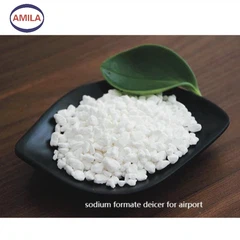
Solid sodium formate (HCOONa) is a white, crystalline powder with a variety of industrial applications. It is highly soluble in water and has a slightly bitter taste. One of the primary reasons for its widespread use is its versatility. It serves as a reducing agent in textile dyeing, a de - icing agent on roads, and an additive in oil drilling operations. For instance, Sodium Formate 95% Min is a common product grade used in oil - drilling processes, where it helps control the density and rheology of drilling fluids.
Toxicity at a Glance
When discussing the toxicity of any chemical, it's essential to consider different exposure routes, including inhalation, ingestion, and skin contact.
Inhalation
Inhalation of solid sodium formate dust can cause irritation to the respiratory tract. The fine particles can be inhaled deep into the lungs, leading to coughing, shortness of breath, and in severe cases, chemical pneumonitis. However, the risk of inhalation is relatively low under normal working conditions, especially if proper dust control measures are in place. For example, in a well - ventilated industrial environment, the concentration of sodium formate dust in the air can be kept below the threshold limit value, minimizing the inhalation risk.
Ingestion
Ingesting solid sodium formate can be harmful. Once inside the body, it can react with stomach acid to form formic acid, which is a toxic substance. Formic acid can cause severe burns to the gastrointestinal tract, including the esophagus, stomach, and intestines. Symptoms of ingestion may include abdominal pain, nausea, vomiting, and diarrhea. In extreme cases, it can lead to systemic toxicity, affecting the kidneys, liver, and central nervous system. The severity of the symptoms depends on the amount ingested.
Skin and Eye Contact
Direct contact with solid sodium formate can cause skin irritation and burns. The chemical can penetrate the skin's outer layer, disrupting the normal cellular function. Prolonged or repeated contact may lead to dermatitis. In the case of eye contact, it can cause severe irritation, redness, pain, and even permanent damage to the eyes if not treated promptly. Therefore, workers handling solid sodium formate should wear appropriate personal protective equipment (PPE), such as gloves and safety goggles.


Toxicity Studies and Regulations
Numerous scientific studies have been conducted to assess the toxicity of sodium formate. These studies typically involve animal testing and in - vitro experiments. The results have provided valuable data for setting safety standards and regulations.
In many countries, sodium formate is classified as a hazardous substance, and strict regulations govern its handling, storage, and transportation. For example, the Occupational Safety and Health Administration (OSHA) in the United States has set permissible exposure limits (PELs) for sodium formate in the workplace to protect workers from over - exposure.
Safety Measures in Handling Solid Sodium Formate
As a supplier, I always emphasize the importance of safety when dealing with solid sodium formate. Here are some key safety measures:
Personal Protective Equipment (PPE)
Workers should wear appropriate PPE, including gloves, safety goggles, and respiratory protection if there is a risk of dust inhalation. The gloves should be made of a material resistant to chemical penetration, such as nitrile or neoprene. Safety goggles should provide full - face protection to prevent eye contact.
Ventilation
Adequate ventilation is crucial in areas where solid sodium formate is handled. Local exhaust ventilation systems can be installed to remove dust and fumes from the air. General ventilation in the workplace also helps maintain a safe working environment.
Storage
Solid sodium formate should be stored in a cool, dry place, away from incompatible substances. It should be kept in tightly sealed containers to prevent dust from escaping. Additionally, the storage area should be clearly labeled with appropriate hazard warnings.
Spill Response
In case of a spill, appropriate spill response procedures should be followed. This may include wearing protective equipment, containing the spill, and cleaning it up using absorbent materials. The spilled material should be disposed of according to local regulations.
Applications and Toxicity Considerations
Let's take a closer look at some of the common applications of solid sodium formate and how toxicity is managed in each case.
Oil Drilling
Sodium Formate for Oildrilling is widely used in the oil and gas industry. In this application, it is typically added to drilling fluids to control the density and rheology. While the drilling process involves handling large quantities of sodium formate, the risk of exposure is minimized through proper equipment design and safety protocols. The drilling fluids are contained within the drilling rig and pipelines, reducing the chance of accidental spills or inhalation.
Textile Industry
In the textile industry, solid sodium formate is used as a reducing agent in dyeing processes. Workers in textile factories need to be trained on the proper handling of the chemical. The use of automated dosing systems can reduce the direct contact between workers and sodium formate, thereby minimizing the risk of exposure.
De - icing
When used as a de - icing agent on roads, the risk of human exposure is relatively low. However, it can have an impact on the environment, especially on aquatic life. Sodium formate can dissolve in water and enter water bodies, potentially affecting the pH and oxygen levels. Therefore, proper environmental monitoring and management are required.
Conclusion
In conclusion, solid sodium formate is a chemical with potential toxicity. However, the risk can be effectively managed through proper safety measures and regulations. As a supplier, I am committed to providing high - quality Sodium Formate Powder products while ensuring that our customers are well - informed about the safety aspects.
If you are interested in purchasing solid sodium formate for your industrial needs, I encourage you to contact us for further discussions. We can provide detailed product information, safety data sheets, and assistance in ensuring that you handle the product safely. Our team of experts is ready to answer any questions you may have regarding the product's application and safety.
References
- "Toxicological Profile for Formic Acid and Sodium Formate" - Agency for Toxic Substances and Disease Registry (ATSDR)
- "Occupational Safety and Health Guidelines for Chemical Hazards" - Occupational Safety and Health Administration (OSHA)
- Scientific research papers on the toxicity and applications of sodium formate published in peer - reviewed journals.
Send Inquiry