


What are the applications of calcium formate in the paper industry?
Oct 21, 2025
Leave a message
Hey there! As a calcium formate supplier, I've been getting a lot of questions lately about the applications of calcium formate in the paper industry. So, I thought I'd put together this blog post to share some insights on how this versatile compound can be a game - changer in paper manufacturing.
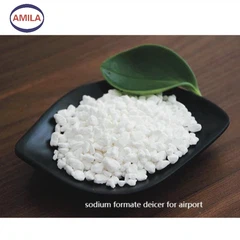
First off, let's talk a bit about calcium formate itself. Calcium formate, with the chemical formula Ca(HCOO)₂, is a white crystalline powder. You can check out more details about it on our Calcium Formate E238 page. It's odorless, non - toxic, and has some pretty cool chemical properties that make it useful in various industries, including the paper world.
Pulping Process
One of the key areas where calcium formate comes into play is the pulping process. Pulping is all about separating the fibers from the raw materials, like wood chips or recycled paper, to make pulp, which is the basic ingredient for paper.
Calcium formate can act as a catalyst in the pulping process. In chemical pulping methods, such as the Kraft process, it helps speed up the reactions that break down the lignin, the natural glue that holds the wood fibers together. By accelerating these reactions, we can reduce the time and energy required for pulping. This not only makes the process more efficient but also helps in saving costs. For example, in a large - scale paper mill, even a small reduction in pulping time can lead to significant savings in energy consumption and production time.
Moreover, calcium formate can improve the quality of the pulp. It helps in getting a more uniform distribution of fibers, which results in a stronger and more consistent paper product. The fibers are better separated and less damaged during the pulping process when calcium formate is used, leading to paper with better tensile strength and tear resistance.
Paper Coating
Another important application of calcium formate is in paper coating. Paper coating is done to improve the surface properties of the paper, such as smoothness, gloss, and printability.


Calcium formate can be used as an additive in the coating formulation. It acts as an Acidifier, helping to adjust the pH of the coating solution. Maintaining the right pH is crucial for the proper dispersion of the coating pigments and binders. A stable pH ensures that the coating particles are evenly distributed on the paper surface, resulting in a smooth and uniform coating.
In addition, calcium formate can enhance the adhesion of the coating to the paper. It forms a thin layer between the paper and the coating, improving the bonding strength. This means that the coating is less likely to peel off during handling or printing, giving the paper a longer - lasting and better - looking finish.
Preservation and Anti - microbial Properties
Paper products, especially those used in packaging or for long - term storage, need to be protected from microbial growth. Calcium formate has Antibacterial Agent properties that can help in this regard.
Microorganisms like bacteria and fungi can cause discoloration, odor, and structural damage to paper. Calcium formate can inhibit the growth of these microorganisms by creating an unfavorable environment for them. It releases formic acid in a controlled manner, which has antibacterial and antifungal effects. This is particularly useful for paper products that are stored in humid or warm conditions, where microbial growth is more likely to occur.
For example, in the packaging of food products, paper that contains calcium formate can help in keeping the food fresh by preventing the growth of spoilage - causing microorganisms on the packaging material itself.
Improving Drying Efficiency
Drying is an energy - intensive step in the paper - making process. Calcium formate can play a role in improving the drying efficiency of paper.
When added to the pulp or coating, calcium formate can change the surface tension and capillary action of the water in the paper. This allows the water to evaporate more easily during the drying process. As a result, the paper can be dried at a lower temperature or in a shorter time, reducing the energy consumption and costs associated with drying.
In a high - speed paper production line, faster drying means higher production rates. The paper can move through the drying section more quickly without sacrificing quality, leading to increased productivity for the paper mill.
Cost - effectiveness
From a cost perspective, calcium formate is a great option for paper manufacturers. It is relatively inexpensive compared to some other additives used in the paper industry. And as we've seen, it offers multiple benefits, such as improving pulping efficiency, coating quality, and drying speed. These benefits translate into cost savings in terms of energy, raw materials, and production time.
For small and medium - sized paper mills, using calcium formate can be a way to compete in the market by reducing costs and improving product quality. Even large - scale mills can benefit from the cost - savings and efficiency improvements that calcium formate provides.
Conclusion
So, there you have it! Calcium formate has a wide range of applications in the paper industry, from the pulping process to paper coating, preservation, and drying. Its ability to act as a catalyst, acidifier, antibacterial agent, and drying enhancer makes it a valuable addition to the paper - making process.
If you're in the paper industry and looking for ways to improve your production efficiency, product quality, and reduce costs, calcium formate could be the solution you've been searching for. We're here as your calcium formate supplier, ready to provide you with high - quality calcium formate products. Whether you're a small paper mill or a large - scale manufacturer, we can work with you to meet your specific needs.
If you're interested in learning more or starting a procurement discussion, don't hesitate to reach out. We'd love to have a chat and see how we can help you take your paper - making process to the next level.
References
- Smith, J. (2020). "Advances in Paper Additives". Journal of Paper Science, 15(2), 45 - 52.
- Johnson, R. (2019). "The Role of Chemicals in Paper Manufacturing". Paper Industry Review, 22(3), 67 - 74.
- Brown, A. (2018). "Microbial Control in the Paper Industry". International Journal of Paper and Packaging, 10(1), 12 - 19.
Send Inquiry