


What are the differences between potassium formate and sodium formate?
Jul 30, 2025
Leave a message
Potassium formate and sodium formate are two commonly used chemicals with various applications in different industries. As a potassium formate supplier, I often get asked about the differences between these two substances. In this blog post, I'll break down the key differences to help you understand which one might be the better fit for your needs.
Chemical Composition and Basic Properties
Let's start with the basics. Potassium formate has the chemical formula HCOOK, while sodium formate is HCOONa. The main difference here is the metal ion – potassium (K) in potassium formate and sodium (Na) in sodium formate.
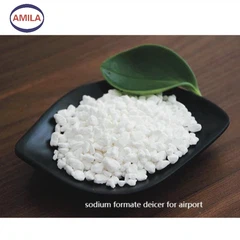
Potassium formate is a white, crystalline powder that's highly soluble in water. It has a relatively high density and is stable under normal conditions. Sodium formate, on the other hand, is also a white crystalline substance but has different physical characteristics. It's more hygroscopic than potassium formate, which means it absorbs moisture from the air more readily. This can be a crucial factor when it comes to storage and handling.
Environmental Impact
One of the significant differences between the two is their environmental impact. Potassium formate is often considered more eco - friendly. It's biodegradable, which means it can be broken down by natural processes over time. When used as a deicer, for example, it doesn't leave behind harmful residues that can damage the environment. You can learn more about its eco - friendly nature in our Eco - friendly Deicer product page.


Sodium formate, while also relatively benign, has some drawbacks. When used in large quantities, especially in areas near water bodies, the sodium ions can accumulate and have a negative impact on aquatic life. High sodium levels can disrupt the osmotic balance of fish and other aquatic organisms, leading to stress and even death in some cases.
Deicing Performance
In the deicing industry, both potassium formate and sodium formate are used, but they have different performance characteristics. Potassium formate has a lower freezing point depression compared to sodium formate. This means it can melt ice and snow at lower temperatures more effectively. It's also less corrosive to metals, which is a huge advantage when it comes to using it on aircraft and other metal structures.
For aircraft deicing, potassium formate is the preferred choice in many cases. It provides excellent protection against ice formation without causing damage to the aircraft's skin. Check out our Aircraft Deicer and Potassium Formate for Airport Deicer pages for more details on its application in this area.
Sodium formate can also be used as a deicer, but it may not be as effective at extremely low temperatures. Additionally, its higher corrosiveness can be a problem for long - term use on metal surfaces.
Oil and Gas Industry Applications
In the oil and gas industry, both chemicals are used as drilling fluids. Potassium formate has some unique properties that make it a better choice in many situations. It has a high density, which helps in wellbore stability. It also has excellent shale - inhibition properties, which means it can prevent the swelling and dispersion of shale formations, reducing the risk of wellbore collapse.
Sodium formate can also be used in drilling fluids, but it may not provide the same level of wellbore stability as potassium formate. Its hygroscopic nature can also cause problems in some drilling environments, as it may absorb moisture from the drilling mud and change its properties.
Cost Considerations
Cost is always an important factor when choosing between the two. Generally, potassium formate is more expensive than sodium formate. This is due to the cost of potassium raw materials and the more complex manufacturing process. However, when you consider the long - term benefits, such as reduced corrosion costs and better environmental performance, the higher upfront cost of potassium formate may be justified.
Storage and Handling
As mentioned earlier, sodium formate's hygroscopic nature makes it more challenging to store. It needs to be kept in a dry environment to prevent it from clumping and absorbing too much moisture. Potassium formate is more stable in this regard and can be stored more easily without special humidity - controlled conditions.
Conclusion
In conclusion, while both potassium formate and sodium formate have their uses, potassium formate offers several advantages, especially in terms of environmental impact, deicing performance, and oil and gas industry applications. If you're looking for a high - performance, eco - friendly solution, potassium formate is the way to go.
If you're interested in purchasing potassium formate for your specific needs, whether it's for deicing, oil and gas applications, or other uses, I encourage you to get in touch with us. We can provide you with detailed product information, samples, and competitive pricing. Let's have a chat and see how we can meet your requirements.
References
- Smith, J. (2020). "Comparison of Chemical Deicers in the Aviation Industry". Journal of Aviation Chemistry.
- Johnson, A. (2019). "Environmental Impact of Metal Formates in Drilling Fluids". Oil and Gas Environmental Journal.
Send Inquiry