


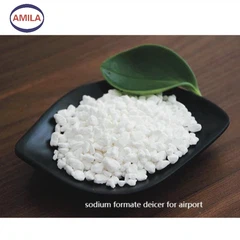
What are the disadvantages of using solid potassium formate in drilling fluids?
Dec 16, 2025
Leave a message
Solid potassium formate has been widely used in drilling fluids due to its unique properties such as high solubility, low corrosion, and good shale inhibition. As a solid potassium formate supplier, I have witnessed its popularity in the oil - drilling industry. However, like any other chemical additive, it also has several disadvantages that need to be carefully considered.
High Cost
One of the most significant drawbacks of using solid potassium formate in drilling fluids is its relatively high cost. The production process of solid potassium formate involves multiple steps, including the reaction of formic acid with potassium hydroxide or potassium carbonate, followed by purification and crystallization. These processes require specialized equipment and strict quality control, which drive up the production cost.
Compared to other common drilling fluid additives such as sodium chloride or calcium chloride, solid potassium formate is much more expensive. For example, the price of solid potassium formate can be two to three times higher than that of sodium chloride on a per - ton basis. This high cost can significantly increase the overall drilling cost, especially for large - scale drilling projects. Drilling companies often need to balance the performance benefits of solid potassium formate against its high price, which may limit its widespread use.
Environmental Concerns
Although solid potassium formate is generally considered to be an environmentally friendly drilling fluid additive compared to some other chemicals, it still poses certain environmental risks. When solid potassium formate is discharged into the environment, it can affect the ecological balance of the surrounding area.
In aquatic environments, high concentrations of potassium formate can change the osmotic pressure of water, which may be harmful to aquatic organisms. Some studies have shown that excessive potassium formate can inhibit the growth and reproduction of certain fish and invertebrate species. Moreover, the degradation of potassium formate in the environment may also produce by - products that can have negative impacts on soil and water quality.
In addition, the production of solid potassium formate requires a significant amount of energy and raw materials. The extraction and processing of formic acid and potassium - containing compounds can cause environmental pollution, such as air pollution and water pollution. Therefore, from an environmental perspective, the use of solid potassium formate needs to be carefully regulated to minimize its negative impacts.
Compatibility Issues
Solid potassium formate may have compatibility issues with other components in drilling fluids. Drilling fluids are complex mixtures that usually contain various additives such as polymers, surfactants, and weighting agents. When solid potassium formate is added to the drilling fluid, it may interact with these other components, leading to changes in the physical and chemical properties of the drilling fluid.


For example, solid potassium formate may react with some polymers in the drilling fluid, causing the polymers to precipitate or lose their effectiveness. This can result in a decrease in the viscosity and rheological properties of the drilling fluid, which is crucial for maintaining wellbore stability and efficient cuttings transport. In addition, the presence of solid potassium formate may also affect the performance of surfactants in the drilling fluid, reducing their ability to emulsify and disperse oil and water.
These compatibility issues can make it difficult to formulate and maintain a stable drilling fluid system. Drilling engineers need to conduct extensive laboratory tests to determine the compatibility of solid potassium formate with other additives before using it in the field. This not only increases the time and cost of drilling operations but also requires a high level of technical expertise.
Hygroscopicity
Solid potassium formate is highly hygroscopic, which means it can absorb moisture from the air. This property can cause several problems during storage and handling. When solid potassium formate absorbs moisture, it can form lumps or agglomerates, which makes it difficult to measure and mix accurately.
In addition, the hygroscopic nature of solid potassium formate can also lead to corrosion of storage containers and equipment. The absorbed moisture can react with the metal surfaces of containers, causing rust and damage. This not only shortens the service life of the equipment but also increases the risk of leakage and environmental pollution.
To prevent the hygroscopicity of solid potassium formate, special storage conditions are required. It needs to be stored in a dry and well - ventilated environment, and the storage containers should be sealed tightly. These additional storage requirements add to the overall cost and complexity of using solid potassium formate in drilling operations.
Limited High - Temperature Performance
Solid potassium formate has limited performance at high temperatures. In deep - well drilling, the bottom - hole temperature can be very high, sometimes exceeding 200°C. At such high temperatures, the physical and chemical properties of solid potassium formate can change significantly.
The solubility of solid potassium formate may decrease at high temperatures, which can lead to the precipitation of crystals in the drilling fluid. This can cause blockages in the drilling equipment, such as drill pipes and nozzles, and reduce the efficiency of the drilling process. In addition, high temperatures can also accelerate the degradation of solid potassium formate, which may produce by - products that can affect the performance of the drilling fluid.
Therefore, in high - temperature drilling applications, the use of solid potassium formate may be restricted. Drilling companies may need to use other high - temperature - resistant drilling fluid additives or develop special formulations to overcome the limitations of solid potassium formate.
Conclusion
As a solid potassium formate supplier, I understand the importance of being transparent about the disadvantages of our product. While solid potassium formate offers many advantages in drilling fluids, such as good shale inhibition and low corrosion, it also has several significant drawbacks, including high cost, environmental concerns, compatibility issues, hygroscopicity, and limited high - temperature performance.
However, these disadvantages do not mean that solid potassium formate should not be used. In fact, in many cases, the performance benefits of solid potassium formate can outweigh its drawbacks, especially in applications where high - quality drilling fluid is required. Drilling companies need to carefully evaluate the specific requirements of each drilling project and make informed decisions about whether to use solid potassium formate.
If you are interested in learning more about solid potassium formate or have any questions regarding its use in drilling fluids, please feel free to contact us. We can provide you with detailed product information and technical support. You can also visit our websites Potassium Formate for Carbon Black, Potassium Formate 98% Min, and Solid Potassium Formate for more product details. We look forward to discussing your drilling fluid needs and exploring potential business opportunities with you.
References
- Smith, J. D. (2018). Environmental impacts of drilling fluid additives. Journal of Petroleum Science and Engineering, 165, 1 - 10.
- Johnson, R. M. (2019). Compatibility studies of drilling fluid components. Drilling Technology Review, 22(3), 45 - 52.
- Brown, A. S. (2020). High - temperature performance of drilling fluid additives. International Journal of Drilling Engineering, 35(2), 78 - 85.
Send Inquiry