


What are the disadvantages of using solid sodium formate?
Oct 03, 2025
Leave a message
Hey there! I'm a supplier of solid sodium formate, and today I wanna have an open chat about the disadvantages of using solid sodium formate. While it's got its perks, it's important to be aware of the downsides too.
1. Handling and Storage Challenges
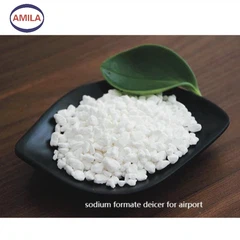
One of the first things you'll notice when dealing with solid sodium formate is the handling aspect. It's a fine powder, and that can be a bit tricky. When you're moving it around, say from storage to a production area, there's a risk of dust generation. Inhaling this dust isn't good for your health. It can irritate the respiratory tract, causing coughing, shortness of breath, and in some cases, more serious lung problems.


Storage is another headache. Solid sodium formate is hygroscopic, which means it loves to soak up moisture from the air. If you don't store it properly in a dry environment, it'll start to clump together. Once it clumps, it becomes difficult to use. You might need to break up these clumps, which is an extra step in your process and can be time - consuming. And if the clumping is really bad, you might end up with some of the product going to waste.
2. Solubility Issues
When you need to use solid sodium formate in a liquid solution, solubility can be a problem. It doesn't dissolve as quickly as you might expect. You need to stir it well and sometimes even heat the solution to get it to dissolve completely. This can be a hassle, especially in industrial settings where time is money.
In some applications, incomplete dissolution can lead to inconsistent results. For example, in a chemical reaction where sodium formate is a reactant, if it's not fully dissolved, the reaction might not proceed as expected. You could end up with lower yields or impurities in your final product.
3. Corrosiveness
Solid sodium formate is corrosive. It can corrode metals over time. If you're using equipment made of metal to handle or store solid sodium formate, you need to be careful. The corrosion can damage the equipment, leading to leaks or malfunctions. This means you'll have to spend money on maintenance and replacement parts.
In addition, if the corrosion is not detected early, it can pose safety risks. For instance, a corroded storage tank could leak the product, which is not only a waste but can also be dangerous to the environment and people nearby.
4. Environmental Concerns
From an environmental perspective, solid sodium formate has its drawbacks. When it's released into the environment, it can have an impact on aquatic life. It can change the pH of water bodies, which can be harmful to fish and other aquatic organisms.
Also, the production process of solid sodium formate can generate waste and emissions. If not properly managed, these can contribute to air and water pollution. As a supplier, we're always looking for ways to minimize these impacts, but it's still a challenge.
5. Cost - effectiveness
Compared to Liquid Sodium Formate, solid sodium formate might not always be the most cost - effective option. The extra steps involved in handling, storage, and dissolution add to the overall cost. You have to factor in the cost of equipment maintenance due to corrosion, the time spent on dealing with clumps and ensuring complete dissolution, and the potential waste.
In some cases, the cost of using solid sodium formate can be higher than using other alternatives. For example, if you need a quick - acting solution, the time spent waiting for solid sodium formate to dissolve might make it less appealing compared to a pre - dissolved liquid form.
6. Safety Risks
Apart from the inhalation risk mentioned earlier, solid sodium formate can also cause skin and eye irritation. If it comes into contact with your skin, it can cause redness, itching, and in severe cases, chemical burns. In the eyes, it can cause serious damage, including vision loss.
This means that workers handling solid sodium formate need to wear proper protective equipment, such as gloves, goggles, and respirators. This adds to the cost of using the product, as you have to invest in the right safety gear and train your employees on how to use it correctly.
7. Limited Applications
Solid sodium formate might not be suitable for all applications. Some processes require a continuous and homogeneous supply of the product. The handling and solubility issues of solid sodium formate can make it difficult to achieve this.
For example, in some high - speed production lines, you need a product that can be easily and quickly added to the process. Solid sodium formate's slow dissolution and potential clumping problems make it less than ideal for such applications. In these cases, Liquid Sodium Formate or Sodium Formate Powder might be better options.
Conclusion
So, as you can see, there are several disadvantages to using solid sodium formate. But don't get me wrong, it still has its place in many industries. At our company, we're constantly working on ways to mitigate these issues. We're looking for better storage solutions to prevent clumping, improving the dissolution process, and enhancing safety measures.
If you're considering using solid sodium formate, I encourage you to weigh these disadvantages against the advantages. And if you have any questions or want to discuss your specific needs, feel free to reach out. We're here to help you make the best decision for your business. Whether you're interested in Sodium Formate 98% Min, liquid form, or powder form, we can provide you with more information and work with you to find the right solution. Let's have a chat and see how we can meet your requirements.
References
- "Handbook of Chemical Hazards", Chemical Safety Council
- "Environmental Impact of Industrial Chemicals", Environmental Protection Agency
- "Corrosion in Chemical Processing", Institute of Chemical Engineers
Send Inquiry