


What are the environmental impacts of Sodium Formate Powder production?
Dec 02, 2025
Leave a message
Hey there! I'm a supplier of Sodium Formate Powder, and I often get asked about the environmental impacts of its production. In this blog, I'll break down the good, the bad, and the ugly when it comes to making this stuff.
The Basics of Sodium Formate Powder Production
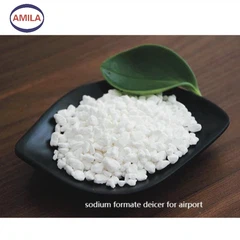
First off, let's talk about what Sodium Formate Powder is. It's a white, crystalline powder that's used in a bunch of different industries. You can check out more about it Sodium Formate Powder. It's commonly used as a de - icing agent, in leather tanning, and even as a Feed Grade Sodium Formate in the animal feed industry.


The production of Sodium Formate Powder usually involves a chemical reaction between carbon monoxide and sodium hydroxide. This reaction takes place under specific temperature and pressure conditions in a chemical plant.
Positive Environmental Impacts
1. De - icing Applications
One of the major uses of Sodium Formate Powder is for de - icing roads and runways. Compared to traditional de - icing agents like sodium chloride (rock salt), Sodium Formate is much more environmentally friendly. Rock salt can cause corrosion to vehicles and infrastructure, and it also has a negative impact on soil and water quality. When it washes off into nearby water bodies, it can increase the salinity, which is harmful to aquatic life.
Sodium Formate, on the other hand, is biodegradable. It breaks down into harmless substances over time, reducing the long - term environmental damage. It also works at lower temperatures than rock salt, which means less of it is needed to achieve the same de - icing effect. This not only saves resources but also reduces the amount of chemical runoff into the environment.
2. Feed Additive
As a Feed Grade Sodium Formate, it helps improve the digestive health of animals. By promoting better digestion, animals can make more efficient use of their feed. This means less feed is wasted, and there's a reduced need for large - scale agricultural production to meet the feed demands. Since agriculture is a major contributor to deforestation, water pollution, and greenhouse gas emissions, anything that can improve feed efficiency is a win for the environment.
Negative Environmental Impacts
1. Energy Consumption
The production of Sodium Formate Powder is an energy - intensive process. The reaction between carbon monoxide and sodium hydroxide requires high temperatures and pressures, which means a lot of energy is needed to maintain these conditions. Most of this energy comes from fossil fuels, such as coal, oil, and natural gas. Burning these fossil fuels releases large amounts of greenhouse gases, like carbon dioxide, into the atmosphere. These gases contribute to global warming and climate change.
2. Chemical By - products
During the production process, there are often chemical by - products generated. These by - products can be harmful to the environment if not properly managed. For example, some of the by - products may be toxic to aquatic life or soil organisms. If they are released into the environment without proper treatment, they can contaminate water sources and soil, leading to long - term environmental problems.
3. Raw Material Extraction
The raw materials used in Sodium Formate Powder production, such as carbon monoxide and sodium hydroxide, also have their own environmental impacts. Extracting and processing these raw materials often involve mining, drilling, and other industrial activities. These activities can cause habitat destruction, soil erosion, and water pollution. For instance, the production of sodium hydroxide usually involves the electrolysis of brine, which requires a large amount of electricity and can generate waste products.
Mitigation Strategies
1. Energy Efficiency Improvements
To reduce the energy consumption during production, chemical plants can invest in more energy - efficient technologies. For example, they can use heat exchangers to recover and reuse the heat generated during the production process. This not only reduces the overall energy demand but also lowers the greenhouse gas emissions. Some plants are also exploring the use of renewable energy sources, such as solar and wind power, to meet their energy needs.
2. By - product Management
Proper management of chemical by - products is crucial. Chemical plants can implement treatment processes to convert the by - products into less harmful substances or even into useful products. For example, some by - products can be recycled and used as raw materials in other industrial processes. This not only reduces the environmental impact but also saves resources.
3. Sustainable Raw Material Sourcing
As a supplier, I'm committed to sourcing raw materials from sustainable sources. This means working with suppliers who follow environmentally friendly practices in the extraction and processing of raw materials. For example, we can source carbon monoxide from waste gas streams in other industrial processes, rather than from fossil fuel - based sources. This helps reduce the overall environmental impact of the raw material supply chain.
Our Commitment as a Supplier
At our company, we take the environmental impacts of Sodium Formate Powder production seriously. We're constantly looking for ways to improve our production processes to be more environmentally friendly. We're investing in research and development to find new and innovative ways to reduce energy consumption, manage by - products, and source raw materials sustainably.
We also offer high - quality products like Sodium Formate 98% Min. Our products meet the highest industry standards, and we're confident that they can provide the best value for our customers while minimizing the environmental impact.
Contact Us for Procurement
If you're interested in purchasing Sodium Formate Powder for your business, whether it's for de - icing, leather tanning, or as a feed additive, we'd love to hear from you. We can provide you with detailed information about our products, pricing, and delivery options. Don't hesitate to reach out for a procurement discussion. We're here to help you make the best choice for your business and the environment.
References
- "Environmental Impacts of Chemical Production Processes" - Chemical Engineering Journal
- "Sustainable Feed Additives and Their Impact on Agriculture" - Journal of Agricultural Science
- "Energy Efficiency in the Chemical Industry" - Energy Policy Review
Send Inquiry