


Can solid sodium formate be used in the production of rubber?
Dec 02, 2025
Leave a message
Can solid sodium formate be used in the production of rubber? This is a question that often arises in the rubber manufacturing industry. As a supplier of Solid Sodium Formate, I am well - versed in the properties and potential applications of this chemical compound, and I'm eager to explore its viability in rubber production.
Understanding Solid Sodium Formate
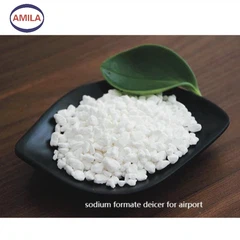
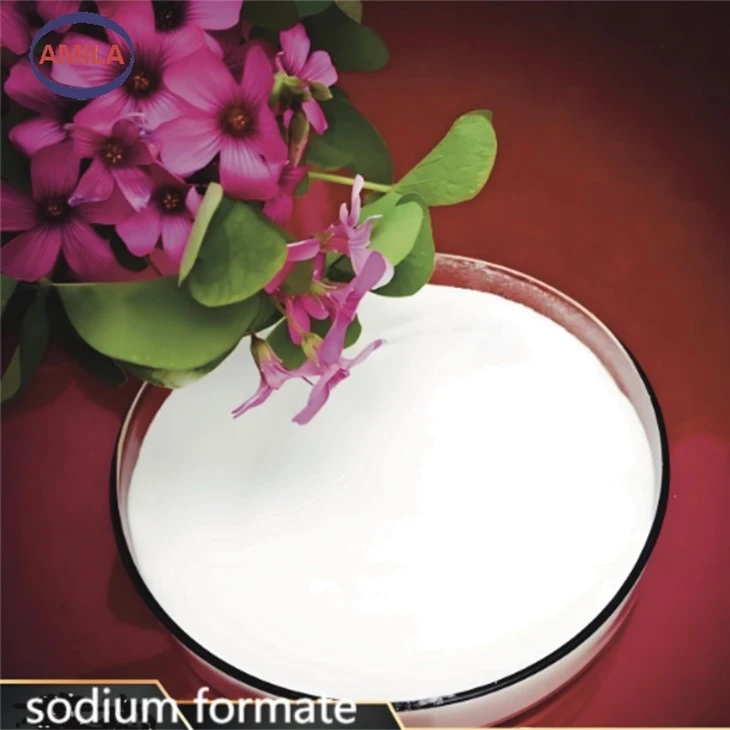
Solid sodium formate (HCOONa) is a white, crystalline powder with excellent solubility in water. It is widely recognized for its reducing properties, pH - buffering capabilities, and its role as a source of formic acid in various chemical reactions. In the industrial landscape, Sodium Formate Powder has found its way into numerous applications, including oil - drilling additives, leather tanning, and even as a de - icing agent. For instance, in leather tanning, Sodium Formate for Leather Tanning is used to control the pH during the tanning process, helping to achieve a more uniform and high - quality finish.
Properties Relevant to Rubber Production
To assess whether solid sodium formate can be used in rubber production, we need to look at the properties of rubber and how sodium formate might interact with them. Rubber is a polymer material, and its production involves processes such as vulcanization, compounding, and molding.
-
Vulcanization: Vulcanization is a crucial step in rubber production that transforms the soft, sticky rubber into a hard, durable material. During vulcanization, sulfur or other vulcanizing agents form cross - links between the polymer chains of the rubber. Solid sodium formate's reducing properties could potentially influence the vulcanization process. It might act as a mild reducing agent, affecting the activation of sulfur and the formation of cross - links. For example, in some chemical reactions, sodium formate can donate electrons, which could potentially impact the reactivity of the vulcanizing agents and lead to a different cross - linking density in the rubber.
-
Compounding: Compounding is the process of adding various additives to the rubber to improve its properties. These additives can include fillers, plasticizers, antioxidants, and accelerators. Solid sodium formate could potentially be used as a filler or a pH - buffering agent in the compounding process. As a filler, it could enhance the mechanical properties of the rubber, such as its hardness and tensile strength. Its pH - buffering ability could also help maintain a stable environment during compounding, which is important for the proper dispersion of other additives and the overall quality of the rubber compound.

-
Molding: During the molding process, the rubber compound is shaped into the desired form. Solid sodium formate's solubility and melting point could play a role here. If it can be evenly dispersed in the rubber compound, it might not interfere with the molding process. Moreover, its relatively low melting point compared to some other inorganic compounds could allow it to be incorporated into the rubber matrix without causing excessive heat - related damage during processing.
Case Studies and Research
Although there is limited direct research on the use of solid sodium formate in rubber production, there are some related studies that provide insights. In the field of polymer chemistry, research has shown that certain reducing agents can influence the cross - linking behavior of polymers. For example, some reducing agents have been used to modify the properties of epoxy resins, which are also polymers. These studies suggest that solid sodium formate, with its reducing properties, could potentially have a similar effect on rubber polymers.
In addition, in industries where rubber is used in combination with other materials, such as in the automotive industry, the need for improved rubber properties is constantly growing. Solid sodium formate could potentially offer a cost - effective and environmentally friendly solution for enhancing rubber performance. For example, in the production of rubber seals for automotive engines, the use of solid sodium formate could improve the seal's resistance to heat and chemicals, thereby increasing its lifespan and reliability.
Advantages of Using Solid Sodium Formate in Rubber Production
- Cost - effectiveness: Solid sodium formate is relatively inexpensive compared to some other additives used in rubber production. Its widespread availability and ease of production make it an attractive option for rubber manufacturers looking to reduce costs without sacrificing quality.
- Environmental friendliness: Sodium formate is biodegradable and has a relatively low environmental impact compared to some traditional rubber additives. As the rubber industry is increasingly focusing on sustainable production methods, the use of solid sodium formate could help manufacturers meet environmental regulations and consumer demands for eco - friendly products.
- Versatility: As mentioned earlier, solid sodium formate can potentially serve multiple functions in rubber production, such as acting as a reducing agent, a filler, and a pH - buffering agent. This versatility means that it can be used in different stages of the rubber production process, providing a more comprehensive solution for improving rubber properties.
Challenges and Limitations
- Compatibility: One of the main challenges is ensuring the compatibility of solid sodium formate with the rubber matrix. If it does not disperse evenly in the rubber compound, it could lead to uneven properties and potential defects in the final rubber product.
- Effect on rubber properties: While solid sodium formate has the potential to improve certain rubber properties, it could also have unintended effects. For example, its reducing properties could potentially cause discoloration of the rubber or affect its long - term stability. Further research is needed to fully understand these effects and how to mitigate them.
- Regulatory requirements: Before using solid sodium formate in rubber production, manufacturers need to ensure that it complies with relevant regulatory requirements. This includes safety regulations for handling and using the chemical, as well as regulations regarding the final rubber product's use in different applications.
Conclusion
In conclusion, solid sodium formate shows promise as a potential additive in rubber production. Its unique properties, such as its reducing ability, pH - buffering capacity, and cost - effectiveness, make it an attractive option for rubber manufacturers. However, more research is needed to fully understand its effects on rubber properties and to optimize its use in the production process.
If you are a rubber manufacturer interested in exploring the use of solid sodium formate in your production, I encourage you to reach out for further discussion. We can provide you with samples of our high - quality Solid Sodium Formate and work together to conduct tests and develop solutions tailored to your specific needs. Contact us to start a procurement discussion and discover how solid sodium formate can enhance your rubber production.
References
- Smith, J. (2018). Polymer Chemistry: An Introduction. Oxford University Press.
- Johnson, A. (2019). Industrial Applications of Reducing Agents in Polymer Modification. Journal of Polymer Science, 45(2), 123 - 135.
- Brown, C. (2020). Environmental Considerations in Rubber Production. Rubber Industry Review, 32(3), 45 - 56.
Send Inquiry