


What are the reaction conditions for solid sodium formate and superconducting materials?
Jul 23, 2025
Leave a message
Hey there! I'm a supplier of solid sodium formate, and I've been getting a lot of questions lately about the reaction conditions between solid sodium formate and superconducting materials. So, I thought I'd dive into this topic and share what I know.
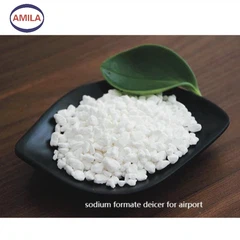
First off, let's talk a bit about solid sodium formate. It's a versatile chemical with many applications. You can find Sodium Formate 98% Min, Liquid Sodium Formate, and Sodium Formate Powder in the market. Solid sodium formate, which I supply, has the chemical formula HCOONa. It's a white, crystalline powder that's highly soluble in water.
Now, onto superconducting materials. Superconductors are materials that can conduct electric current with zero electrical resistance when cooled below a certain critical temperature. There are different types of superconductors, including low - temperature superconductors (LTS) and high - temperature superconductors (HTS). LTS usually require extremely low temperatures, close to absolute zero (-273.15°C), while HTS can operate at relatively higher temperatures, like liquid nitrogen temperatures (-196°C).
When it comes to the reaction conditions between solid sodium formate and superconducting materials, there aren't many well - known direct reactions under normal circumstances. But in some specific chemical processes and research scenarios, certain conditions might lead to interactions.
Temperature
Temperature plays a crucial role. In most chemical reactions, an increase in temperature generally speeds up the reaction rate. However, superconducting materials are very sensitive to temperature. For low - temperature superconductors, any significant increase in temperature above their critical temperature will cause them to lose their superconducting properties.
If we want to conduct a reaction between solid sodium formate and a superconducting material, we need to carefully control the temperature. For example, if we're dealing with a high - temperature superconductor that has a critical temperature of -196°C, we might need to keep the reaction temperature just below this critical point. This way, we can ensure that the superconducting material retains its superconducting state while the reaction with sodium formate takes place.
Pressure
Pressure can also have an impact on the reaction. In some cases, increasing the pressure can bring the reactant molecules closer together, increasing the frequency of collisions and thus promoting the reaction. But again, superconducting materials can be affected by pressure changes. Some superconducting materials might experience a shift in their critical temperature under high pressure.


When reacting solid sodium formate with a superconducting material, we need to find the right balance. For instance, if we're working in a laboratory setting, we might use a pressure - controlled chamber to maintain a specific pressure. A moderate pressure might be applied to enhance the reaction rate without disrupting the superconducting properties of the material.
Solvent and Medium
The choice of solvent or reaction medium is important. Since solid sodium formate is soluble in water, water can be a potential solvent. But water might not be suitable for all superconducting materials, especially those that are sensitive to moisture. Some superconducting materials can react with water or be damaged by it.
In such cases, we might need to use non - aqueous solvents. Organic solvents like ethanol or acetone could be considered. However, we need to make sure that these solvents don't react with either the solid sodium formate or the superconducting material.
Catalysts
Catalysts can be used to speed up the reaction between solid sodium formate and superconducting materials. A catalyst works by providing an alternative reaction pathway with a lower activation energy. There are different types of catalysts, such as metal - based catalysts or organic catalysts.
For example, a metal catalyst like platinum or palladium might be used to promote the reaction. These metals can adsorb the reactant molecules on their surface, facilitating the reaction. But we need to ensure that the catalyst doesn't have any negative effects on the superconducting properties of the material.
Chemical Environment
The chemical environment, including the presence of other chemicals or impurities, can also influence the reaction. Impurities in the solid sodium formate or the superconducting material can either promote or inhibit the reaction. For example, trace amounts of certain metal ions in the sodium formate powder could act as catalysts or poisons for the reaction.
We need to make sure that both the solid sodium formate and the superconducting material are as pure as possible. In the process of supplying solid sodium formate, I always ensure that our product meets high - purity standards. This helps to minimize any unwanted effects caused by impurities during potential reactions with superconducting materials.
Potential Applications of the Reaction
Although the direct reaction between solid sodium formate and superconducting materials might not be common, there could be some potential applications.
In the field of materials science, the reaction could be used to modify the surface properties of superconducting materials. By reacting solid sodium formate with the surface of a superconducting material, we might be able to introduce new functional groups or change the surface morphology. This could potentially improve the performance of the superconducting material, such as enhancing its critical current density or increasing its stability.
In some energy - related applications, the reaction products could be used in energy storage devices. For example, if the reaction between solid sodium formate and a superconducting material produces a new compound with unique electrical or chemical properties, it could be explored for use in batteries or supercapacitors.
Safety Considerations
When working with solid sodium formate and superconducting materials, safety is of utmost importance. Solid sodium formate is a relatively safe chemical, but it can cause irritation to the skin, eyes, and respiratory tract if proper precautions aren't taken.
Superconducting materials often require the use of cryogenic liquids, like liquid nitrogen or liquid helium. These cryogenic liquids can cause severe frostbite if they come into contact with the skin. In addition, the handling of these materials usually takes place in a controlled environment, such as a laboratory or a specialized industrial facility.
So, if you're interested in exploring the reaction between solid sodium formate and superconducting materials, make sure you have the proper safety equipment and follow all safety protocols.
Conclusion
The reaction conditions between solid sodium formate and superconducting materials are complex and require careful consideration of factors like temperature, pressure, solvent, catalysts, and the chemical environment. While there aren't many well - established reactions between them, there's still a lot of potential for research and development in this area.
If you're in the market for high - quality solid sodium formate for your research or industrial applications related to superconducting materials or other fields, I'd love to hear from you. Whether you need Sodium Formate 98% Min, Liquid Sodium Formate, or Sodium Formate Powder, I can provide you with top - notch products. Feel free to reach out to me for more information and to start a procurement discussion.
References
- Ashcroft, N. W., & Mermin, N. D. (1976). Solid State Physics. Holt, Rinehart and Winston.
- Kittel, C. (2005). Introduction to Solid State Physics. John Wiley & Sons.
- Superconductivity: Fundamentals and Applications, edited by R. K. Pandey and O. V. Dolgov.
Send Inquiry