


What are the research trends in aircraft deicer technology?
Oct 23, 2025
Leave a message
As a supplier of Aircraft Deicer, I've been keeping a close eye on the research trends in this field. It's a dynamic area, constantly evolving to meet the changing needs of the aviation industry. In this blog, I'll share some of the most significant research trends that I've noticed, and how they might impact our business.
1. Environmental Sustainability
One of the biggest trends in aircraft deicer technology is the push towards environmental sustainability. Traditional deicers, such as ethylene glycol and propylene glycol, have been used for decades. However, they can have a negative impact on the environment. These chemicals can contaminate soil and water sources, and they're not very biodegradable.
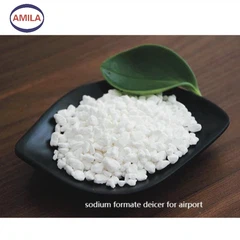
That's why there's a lot of research going into developing more eco - friendly alternatives. For example, Potassium Formate for Airport Deicer has emerged as a popular option. Potassium formate is biodegradable, less toxic, and has a lower impact on the environment compared to traditional deicers. It works by lowering the freezing point of water, just like other deicers, but it does so in a more environmentally friendly way.
Many airports and airlines are now looking for Eco - friendly Deicer options to meet regulatory requirements and reduce their environmental footprint. As a supplier, we need to stay on top of this trend and ensure that we can offer products that meet these new environmental standards.
2. Performance Enhancement
Another important research trend is focused on enhancing the performance of aircraft deicers. In cold and snowy conditions, it's crucial that deicers work quickly and effectively to remove ice and snow from aircraft surfaces.
Researchers are looking at ways to improve the melting speed of deicers. This could involve developing new chemical formulations or adding additives to existing deicers. For example, some studies are exploring the use of nanomaterials in deicers. Nanomaterials can have unique properties that can enhance the melting process. They can increase the surface area of the deicer in contact with ice, which can speed up the melting process.
In addition to melting speed, there's also research on improving the durability of deicers. Aircraft often have to wait on the tarmac for a while before takeoff, and during this time, new ice can form. A more durable deicer can prevent the re - formation of ice for a longer period, reducing the need for multiple deicing applications.
3. Compatibility with Aircraft Materials
Aircraft are made of a variety of materials, including aluminum, composite materials, and rubber. Deicers need to be compatible with these materials to avoid causing any damage.
Research is being done to understand how different deicers interact with aircraft materials. Some deicers can cause corrosion on aluminum surfaces over time, which can weaken the structure of the aircraft. Others might damage rubber seals or composite materials.
Scientists are working on developing deicers that are not only effective at removing ice but also gentle on aircraft materials. This might involve adjusting the pH level of the deicer or using corrosion inhibitors. As a supplier, we need to ensure that our Aircraft Deicer products are thoroughly tested for compatibility with different aircraft materials.
4. Cost - effectiveness
Cost is always a major consideration in the aviation industry. Airlines and airports are constantly looking for ways to reduce their operating costs without sacrificing safety.
Research in aircraft deicer technology is also focused on developing cost - effective solutions. This could mean finding cheaper raw materials for deicers or improving the manufacturing process to reduce production costs.
For example, if we can find a way to produce potassium formate - based deicers more efficiently, we can offer them at a lower price. This would make our products more attractive to airlines and airports, especially in a competitive market.
5. Application Technology
The way deicers are applied to aircraft is also an area of research. Traditional deicing methods involve spraying deicers from trucks or using overhead spraying systems. However, these methods might not be the most efficient or effective in all situations.
New application technologies are being explored, such as electrostatic spraying. Electrostatic spraying can ensure that the deicer is evenly distributed on the aircraft surface. It works by giving the deicer droplets an electric charge, which causes them to be attracted to the aircraft surface. This can result in better coverage and less waste of deicer.
There's also research on automated deicing systems. These systems can use sensors and robotics to apply deicers more precisely and quickly. They can detect the amount of ice and snow on the aircraft and adjust the amount of deicer applied accordingly. This can improve the overall efficiency of the deicing process.
6. Regulatory Compliance
Regulatory requirements for aircraft deicers are constantly changing. Governments and aviation authorities are introducing new rules to protect the environment and ensure the safety of aircraft operations.
Research is needed to keep up with these regulatory changes. We need to understand the new requirements and develop products that comply with them. For example, some regions are introducing stricter limits on the amount of certain chemicals in deicers.
As a supplier, we need to be proactive in ensuring that our products meet all the necessary regulatory standards. This might involve working closely with regulatory bodies and investing in research and development to modify our products as needed.
Why This Matters to Our Business
These research trends have a direct impact on our business as an aircraft deicer supplier. By staying informed about these trends, we can develop and offer products that meet the evolving needs of our customers.
For example, if airlines are looking for more eco - friendly options, we can promote our potassium formate - based deicers. If they need deicers with better performance, we can invest in research to improve our product formulations.
We also need to be prepared to adapt to regulatory changes. By being ahead of the curve, we can avoid any potential issues with non - compliance and maintain a good reputation in the market.


Let's Connect
If you're in the market for high - quality aircraft deicers that meet the latest research trends and regulatory requirements, we'd love to hear from you. Whether you're an airport manager, an airline operator, or involved in aircraft maintenance, we can provide you with the right solutions for your needs.
Contact us to discuss your requirements and explore how our Aircraft Deicer products can benefit your operations. We're committed to providing excellent customer service and products that meet the highest standards.
References
- "Environmental Impact of Aircraft Deicers and Anti - icers" - Journal of Environmental Science and Technology
- "Advances in Aircraft Deicing Technology" - Aviation Maintenance and Engineering Magazine
- "Compatibility of Deicers with Aircraft Materials" - Proceedings of the International Aviation Materials Conference
Send Inquiry