


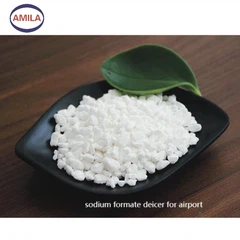
What are the uses of sodium formate in metalworking?
Dec 12, 2025
Leave a message
Sodium formate (HCOONa) is a versatile chemical compound with numerous applications in the field of metalworking. As a reliable sodium formate supplier, I am delighted to share insights into its various uses and benefits in this industry. This blog will explore how sodium formate contributes to different metalworking processes, from surface treatment to corrosion protection.
Surface Treatment
One of the primary applications of sodium formate in metalworking is surface treatment. It is widely used in electroplating processes to enhance the adhesion and quality of metal coatings. Sodium formate acts as a reducing agent, helping to deposit a uniform and adherent layer of metal on the substrate.
Electroplating
In electroplating, sodium formate is added to the plating bath to control the pH and improve the efficiency of the deposition process. For example, in copper electroplating, sodium formate helps to reduce copper ions to metallic copper, which then deposits on the workpiece. The presence of sodium formate also helps to prevent the formation of dendrites, which can lead to a rough and uneven coating.
The use of sodium formate in electroplating baths can significantly improve the quality of the plated metal, resulting in a smoother, more durable, and more corrosion-resistant surface. This is particularly important in industries such as automotive, electronics, and jewelry, where high-quality finishes are essential.
Metal Cleaning and Pickling
Sodium formate is also used in metal cleaning and pickling processes. It can remove oxides, scale, and other contaminants from the metal surface, preparing it for further processing. In pickling solutions, sodium formate acts as a mild reducing agent, helping to dissolve metal oxides without causing excessive corrosion of the base metal.
This makes it an ideal choice for cleaning and preparing metal surfaces before painting, coating, or welding. By using sodium formate in these processes, manufacturers can ensure that the metal surfaces are free from impurities, which can improve the adhesion and performance of subsequent coatings and treatments.
Corrosion Protection
Another important use of sodium formate in metalworking is corrosion protection. It can be used as an inhibitor to prevent or reduce the corrosion of metals in various environments.
Inhibitor in Aqueous Solutions
In aqueous solutions, sodium formate can form a protective film on the metal surface, which acts as a barrier against corrosion. This film helps to prevent the diffusion of oxygen and other corrosive species to the metal surface, thereby reducing the rate of corrosion.
For example, in cooling water systems, sodium formate can be added to the water to prevent the corrosion of metal pipes and equipment. It is also used in oil and gas production, where it helps to protect metal components from corrosion in harsh environments.
Rust Prevention
Sodium formate can also be used in rust prevention products. It can be incorporated into paints, coatings, and lubricants to provide long-term corrosion protection. When applied to metal surfaces, these products form a protective layer that prevents the formation of rust and other forms of corrosion.
The use of sodium formate in rust prevention products is particularly beneficial in industries such as construction, marine, and transportation, where metal structures are exposed to harsh environmental conditions.
Metalworking Fluids
Sodium formate is also used in metalworking fluids, such as cutting fluids and grinding fluids. These fluids play a crucial role in metalworking processes by providing lubrication, cooling, and chip removal.
Lubrication and Cooling
In metal cutting and grinding operations, sodium formate can improve the lubrication and cooling properties of the metalworking fluid. It helps to reduce friction between the cutting tool and the workpiece, which can extend the tool life and improve the surface finish of the machined part.
The cooling effect of sodium formate in the metalworking fluid also helps to prevent overheating of the workpiece and the cutting tool, which can lead to tool wear and poor machining quality.
Bio - stability
Another advantage of using sodium formate in metalworking fluids is its bio - stability. It can inhibit the growth of bacteria and fungi in the fluid, which can extend the fluid's service life and reduce the need for frequent fluid replacement. This not only saves costs but also reduces the environmental impact associated with the disposal of used metalworking fluids.
Other Applications
In addition to the above - mentioned applications, sodium formate has several other uses in metalworking.
Metal Casting
In metal casting, sodium formate can be used as a flux or a deoxidizer. It helps to remove impurities from the molten metal, improve the fluidity of the metal, and prevent the formation of defects in the castings.
Welding
Sodium formate can also be used in welding processes. It can be added to the shielding gas or the welding flux to improve the weld quality and reduce the formation of weld defects.
Conclusion
In conclusion, sodium formate plays a vital role in various metalworking processes. Its diverse applications, from surface treatment and corrosion protection to use in metalworking fluids, make it an indispensable chemical in the metalworking industry.
As a leading sodium formate supplier, we offer high - quality Sodium Formate Powder and Liquid Sodium Formate products that meet the strictest industry standards. Our products are widely used in metalworking operations around the world, delivering outstanding performance and reliability.
If you are looking for a reliable sodium formate supplier for your metalworking needs, we would be more than happy to discuss your requirements. Whether you need sodium formate for electroplating, corrosion protection, or any other metalworking application, our team of experts can provide you with the best - suited solutions. We look forward to establishing a long - term partnership with you to meet your sodium formate needs and help you achieve your business goals.


References
- Jones, D. A. (2019). Corrosion and Protection of Metals. Elsevier.
- Schweitzer, P. A. (2019). Handbook of Corrosion Engineering. McGraw - Hill.
- Schlesinger, M. E., & Paunovic, M. (2010). Modern Electroplating. Wiley.
Send Inquiry