


What is the pH value of a Sodium Formate 98% Min solution?
Oct 23, 2025
Leave a message
As a reliable supplier of Sodium Formate with a minimum purity of 98%, I often receive inquiries from customers about various aspects of this chemical compound. One of the frequently asked questions is about the pH value of a Sodium Formate 98% Min solution. In this blog post, I will delve into this topic in detail, providing you with a comprehensive understanding of the pH value of Sodium Formate solutions and its implications.
Understanding Sodium Formate
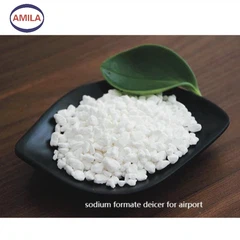
Sodium Formate (HCOONa) is a white, crystalline solid that is highly soluble in water. It is widely used in various industries due to its unique chemical properties. In the leather tanning industry, Sodium Formate plays a crucial role in the process. You can find more information about Sodium Formate for Leather Tanning. It is also available in both solid and liquid forms. Solid Sodium Formate is convenient for storage and transportation, while Liquid Sodium Formate offers ease of use in certain applications.
The Concept of pH Value
Before we discuss the pH value of a Sodium Formate solution, it is essential to understand what pH represents. The pH scale is a measure of the acidity or alkalinity of a solution. It ranges from 0 to 14, where a pH of 7 is considered neutral. Solutions with a pH less than 7 are acidic, while those with a pH greater than 7 are alkaline or basic.


The pH value is determined by the concentration of hydrogen ions (H⁺) in the solution. Mathematically, pH is defined as the negative logarithm (base 10) of the hydrogen ion concentration:
[pH = -log[H⁺]]
Factors Affecting the pH of a Sodium Formate Solution
The pH value of a Sodium Formate solution is influenced by several factors, including the concentration of the solution, temperature, and the presence of other substances.
Concentration of the Solution
The concentration of Sodium Formate in the solution has a significant impact on its pH. When Sodium Formate dissolves in water, it undergoes hydrolysis. The formate ion (HCOO⁻) reacts with water to form formic acid (HCOOH) and hydroxide ions (OH⁻):
[HCOO⁻ + H₂O ⇌ HCOOH + OH⁻]
As the concentration of Sodium Formate increases, the equilibrium of this reaction shifts, leading to a higher concentration of hydroxide ions and, consequently, a higher pH value.
Temperature
Temperature also affects the pH of a Sodium Formate solution. Generally, an increase in temperature can shift the equilibrium of the hydrolysis reaction. According to Le Chatelier's principle, if the hydrolysis reaction is endothermic, an increase in temperature will favor the forward reaction, resulting in a higher concentration of hydroxide ions and a higher pH. However, the effect of temperature on the pH of Sodium Formate solutions is relatively complex and may vary depending on the specific conditions.
Presence of Other Substances
The presence of other substances in the solution can also influence the pH. For example, if there are acidic or basic impurities in the Sodium Formate sample or in the water used to prepare the solution, they can react with the formate ions or hydroxide ions, altering the pH value.
Measuring the pH of a Sodium Formate 98% Min Solution
To measure the pH of a Sodium Formate 98% Min solution accurately, you can use a pH meter. A pH meter is a scientific instrument that measures the electrical potential difference between a pH-sensitive electrode and a reference electrode. Before measuring, it is important to calibrate the pH meter using standard buffer solutions with known pH values.
Here are the general steps to measure the pH of a Sodium Formate solution:
- Prepare the Sodium Formate solution of the desired concentration. Make sure to use deionized or distilled water to minimize the influence of impurities.
- Calibrate the pH meter using at least two standard buffer solutions, such as pH 4.00 and pH 7.00.
- Rinse the pH electrode with deionized water and gently blot it dry with a clean tissue.
- Immerse the pH electrode into the Sodium Formate solution and stir the solution gently to ensure uniform distribution.
- Wait for the pH meter reading to stabilize. Record the pH value.
Typical pH Values of Sodium Formate Solutions
The pH of a Sodium Formate solution can vary depending on its concentration. Generally, a dilute Sodium Formate solution (e.g., 0.1 M) has a pH in the range of 8 - 9, indicating a slightly alkaline nature. As the concentration increases, the pH can rise to around 9 - 10 for more concentrated solutions (e.g., 1 M).
It is important to note that these are approximate values, and the actual pH may vary depending on the factors mentioned above.
Importance of pH in Sodium Formate Applications
The pH value of a Sodium Formate solution is crucial in many applications. In the leather tanning industry, the pH of the tanning solution affects the quality of the leather. A proper pH ensures the effective penetration of tanning agents into the leather fibers, resulting in better tanning results.
In the oil and gas industry, Sodium Formate is used as a drilling fluid additive. The pH of the drilling fluid can impact its rheological properties and the performance of other additives. Maintaining the appropriate pH is essential for the efficient operation of drilling processes.
Conclusion and Call to Action
In conclusion, the pH value of a Sodium Formate 98% Min solution is influenced by factors such as concentration, temperature, and the presence of other substances. Measuring the pH accurately is important for ensuring the quality and performance of Sodium Formate in various applications.
As a supplier of high-quality Sodium Formate 98% Min, we are committed to providing our customers with products that meet their specific requirements. If you have any questions about the pH of Sodium Formate solutions or are interested in purchasing our products, please feel free to contact us for further discussion and negotiation. We look forward to working with you to meet your chemical needs.
References
- Atkins, P., & de Paula, J. (2006). Physical Chemistry. Oxford University Press.
- Chang, R. (2010). Chemistry. McGraw-Hill.
- Haynes, W. M. (Ed.). (2014). CRC Handbook of Chemistry and Physics. CRC Press.
Send Inquiry