


What is the recommended dosage of potassium diformate in animal feed?
Oct 15, 2025
Leave a message
Potassium diformate, a well - known feed additive, has been gaining increasing attention in the animal husbandry industry due to its multiple benefits. As a supplier of potassium diformate, I am often asked about the recommended dosage of this product in animal feed. In this blog, I will delve into the factors influencing the dosage and provide some general guidelines.
Understanding Potassium Diformate
Potassium diformate exists in different forms, such as Potassium Salt(2:1), Potassium Hydrogen Diformate (KDF), and Potassium Formate(1:2). Each form may have slightly different properties and applications, which also affect the recommended dosage.
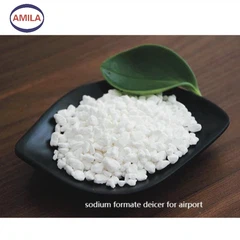
Potassium diformate is a white, crystalline powder with good solubility in water. It acts as an acidifier in animal feed, helping to lower the pH value of the feed and the digestive tract of animals. This acid - lowering effect can have several positive impacts on animal health and performance. For example, it can inhibit the growth of harmful bacteria, improve the digestibility of nutrients, and enhance the overall immune function of animals.
Factors Affecting the Recommended Dosage
Animal Species
Different animal species have different physiological characteristics and nutritional requirements, which significantly influence the appropriate dosage of potassium diformate.
- Poultry: Poultry, such as chickens and turkeys, have relatively short digestive tracts. A lower dosage of potassium diformate is usually sufficient to achieve the desired acid - lowering effect. In general, for broiler chickens, a dosage ranging from 0.3% to 0.6% of the total feed weight is often recommended. This can help improve the feed conversion ratio and reduce the incidence of digestive disorders. For laying hens, a slightly lower dosage of around 0.2% to 0.5% may be appropriate, as the focus is more on maintaining egg quality and overall health.
- Swine: Swine have more complex digestive systems compared to poultry. Piglets, especially in the weaning stage, are more vulnerable to digestive problems. A dosage of 0.6% to 1.2% of potassium diformate in the feed can help ease the stress of weaning, improve feed intake, and enhance the growth rate. For growing and finishing pigs, a dosage of 0.4% to 0.8% is commonly used to maintain good digestive function and promote efficient growth.
- Ruminants: Ruminants, like cows and sheep, have a unique rumen environment. The dosage of potassium diformate for ruminants is relatively lower, usually around 0.1% to 0.3%. This is because the rumen already has a complex microbial ecosystem, and excessive acidification may disrupt the balance of rumen flora. However, a proper amount of potassium diformate can still help improve the utilization of feed in the post - rumen digestive tract.
Growth Stage
The growth stage of animals also plays a crucial role in determining the dosage of potassium diformate.
- Young Animals: Young animals, such as newly hatched chicks or weaned piglets, have immature digestive systems. They are more sensitive to changes in the feed environment and are more prone to digestive disorders. Therefore, a relatively higher dosage of potassium diformate is often required to support their growth and development. As they grow older and their digestive systems become more mature, the dosage can be gradually reduced.
- Adult Animals: Adult animals generally have more stable digestive functions. The dosage of potassium diformate for them is mainly aimed at maintaining good digestive health and optimizing feed utilization. A lower but still effective dosage is sufficient to achieve these goals.
Feed Composition
The composition of the feed itself can affect the recommended dosage of potassium diformate.


- High - Fiber Feed: If the feed contains a high proportion of fiber, such as in some roughage - based diets for ruminants or high - fiber diets for swine, a slightly higher dosage of potassium diformate may be needed. This is because fiber can buffer the acid in the digestive tract, and more potassium diformate is required to achieve the desired acid - lowering effect.
- Low - Quality Feed: Low - quality feed may contain more contaminants or have a less balanced nutrient profile. In such cases, adding an appropriate amount of potassium diformate can help improve the quality of the feed and enhance the animal's ability to digest and absorb nutrients. The dosage may need to be adjusted according to the specific quality of the feed.
General Dosage Guidelines
Based on extensive research and practical experience, the following are some general dosage guidelines for potassium diformate in animal feed:
| Animal Species | Growth Stage | Recommended Dosage (% of total feed weight) |
|---|---|---|
| Poultry | Broiler chickens | 0.3 - 0.6 |
| Laying hens | 0.2 - 0.5 | |
| Swine | Piglets (weaning stage) | 0.6 - 1.2 |
| Growing and finishing pigs | 0.4 - 0.8 | |
| Ruminants | Cows, sheep | 0.1 - 0.3 |
It should be noted that these are just general guidelines, and the actual dosage may need to be adjusted according to specific farm conditions, animal health status, and other factors.
Importance of Correct Dosage
Using the correct dosage of potassium diformate is of utmost importance. If the dosage is too low, the desired effects, such as acidification of the digestive tract and inhibition of harmful bacteria, may not be achieved. This can lead to poor feed utilization, increased incidence of diseases, and reduced animal performance.
On the other hand, if the dosage is too high, it may cause negative impacts on animal health. Excessive acidification can damage the mucous membranes of the digestive tract, disrupt the normal microbial balance, and even lead to metabolic disorders. Therefore, it is essential to follow the recommended dosage guidelines and make appropriate adjustments based on actual situations.
Contact for Purchase and Consultation
As a professional potassium diformate supplier, we are committed to providing high - quality products and professional technical support. If you are interested in our potassium diformate products or have any questions about the dosage and application in your animal feed, please feel free to contact us. We can offer customized solutions according to your specific needs and help you achieve the best results in animal production.
References
- Smith, J. (2018). The Role of Acidifiers in Animal Feed. Journal of Animal Nutrition, 22(3), 123 - 135.
- Johnson, A. (2019). Effects of Potassium Diformate on Poultry Digestive Health. Poultry Science Review, 35(2), 89 - 98.
- Brown, C. (2020). Optimal Dosage of Potassium Diformate in Swine Feed. Swine Production Journal, 40(4), 201 - 210.
Send Inquiry