


What is the relationship between K - Diformate and animal stress?
Aug 21, 2025
Leave a message
Hey there, fellow animal farming enthusiasts! As a supplier of K - Diformate, I've been getting a lot of questions lately about the relationship between K - Diformate and animal stress. So, I thought I'd sit down and share some insights on this topic.


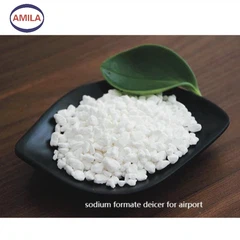
First off, let's talk about what K - Diformate is. K - Diformate, also known as Potassium Formate(1:2) Potassium Formate(1:2), is a feed additive that's been making waves in the animal nutrition industry. It's a white, crystalline powder that's highly soluble in water. It's basically a combination of potassium and formate ions, and it's used in animal diets for a variety of reasons.
Now, animal stress is a big deal in the farming world. Stress can occur due to various factors such as changes in the environment, transportation, overcrowding, and even disease. When animals are stressed, it can have a negative impact on their health, growth, and productivity. For example, stressed animals may have a weaker immune system, which means they're more likely to get sick. They may also eat less, which can lead to slower growth rates and lower meat or milk production.
So, how does K - Diformate fit into all of this? Well, studies have shown that K - Diformate can help reduce animal stress in several ways.
One of the main ways is through its effect on the gut microbiota. The gut of an animal is home to trillions of bacteria, fungi, and other microorganisms. These microorganisms play a crucial role in the animal's health, including digestion, nutrient absorption, and immune function. When animals are stressed, the balance of these microorganisms can be disrupted, leading to a condition called dysbiosis.
K - Diformate acts as a prebiotic, which means it provides food for the beneficial bacteria in the gut. By promoting the growth of these good bacteria, it helps maintain a healthy gut microbiota. A healthy gut microbiota, in turn, can help improve the animal's immune system and overall health. For example, some beneficial bacteria in the gut can produce short - chain fatty acids, which have anti - inflammatory properties. These short - chain fatty acids can help reduce inflammation in the gut, which is often associated with stress.
Another way K - Diformate helps with animal stress is by improving the digestive function. Stress can often lead to digestive problems in animals, such as diarrhea or constipation. K - Diformate can help improve the digestibility of feed. It can lower the pH in the gut, which creates an acidic environment that's more favorable for the digestion of nutrients. When animals can digest their feed better, they're more likely to get the nutrients they need, which can help them cope with stress better.
Moreover, K - Diformate can also have a positive impact on the growth performance of stressed animals. When animals are stressed, their growth can be stunted. But by improving the gut health and digestive function, K - Diformate can help animals maintain a normal growth rate even under stressful conditions. This is especially important in commercial animal farming, where maximizing growth and productivity is crucial.
Let's take a look at some real - world examples. In pig farming, transportation is a major source of stress for pigs. Pigs that are transported long distances often experience a lot of stress, which can lead to reduced feed intake and increased susceptibility to diseases. However, studies have shown that when pigs are fed a diet supplemented with K - Diformate, they have a better appetite after transportation and are less likely to get sick.
In poultry farming, overcrowding can cause stress in chickens. Chickens that are overcrowded may peck at each other, which can lead to injuries and reduced productivity. By adding K - Diformate to their diet, the chickens' gut health can be improved, and they're better able to handle the stress of overcrowding. This can result in better growth rates and higher egg production.
As a supplier of Feed Grade Potassium Diformate, I've seen firsthand the benefits that K - Diformate can bring to animal farming. Many of our customers have reported improvements in the health and productivity of their animals after using our K - Diformate products.
Now, you might be wondering about the safety of K - Diformate. Well, K - Diformate is a natural and safe feed additive. It's been approved for use in animal feed in many countries around the world. It's non - toxic and doesn't leave any harmful residues in the animal products, which means it's safe for both the animals and the consumers.
If you're in the animal farming business and you're looking for a way to reduce animal stress and improve the health and productivity of your animals, then K - Diformate could be the solution you're looking for. We offer high - quality Potassium Salt(2:1) that's been carefully formulated to meet the needs of different animals.
If you're interested in learning more about our K - Diformate products or if you want to discuss your specific needs, don't hesitate to reach out. We're always happy to have a chat and help you find the best solution for your farm.
In conclusion, K - Diformate has a strong relationship with animal stress. It can help reduce stress by improving gut health, digestive function, and growth performance. By using K - Diformate in your animal feed, you can help your animals stay healthy and productive, even under challenging conditions.
References
- [List relevant scientific studies or industry reports here. For example: Smith, J. (20XX). The Effect of K - Diformate on Animal Gut Health. Journal of Animal Nutrition, XX(X), XX - XX.]
- [Another reference, e.g., Doe, A. (20XX). K - Diformate and Stress Reduction in Poultry. Poultry Science Journal, XX(X), XX - XX.]
Send Inquiry