


What is the shelf life of aircraft deicer?
Oct 02, 2025
Leave a message
As a supplier of aircraft deicer, I've encountered numerous inquiries about the shelf life of our product. Understanding the shelf life of aircraft deicer is crucial for airlines, airport operators, and maintenance crews to ensure the safety and efficiency of flight operations during cold weather. In this blog, I'll delve into the factors that influence the shelf life of aircraft deicer, how to determine it, and best practices for storage to maximize its effectiveness.
What is Aircraft Deicer?
Aircraft deicer is a specialized fluid used to remove snow, ice, and frost from the surfaces of an aircraft before takeoff. It typically contains a combination of glycols, such as ethylene glycol or propylene glycol, which lower the freezing point of water and prevent ice from forming. Additionally, deicers may include additives to enhance performance, such as corrosion inhibitors and surfactants.
There are two main types of aircraft deicers: Type I and Type II/III/IV. Type I deicers are low-viscosity fluids designed for immediate ice and snow removal. They have a relatively short holdover time, which is the period during which the deicer can prevent ice from re - forming on the aircraft's surfaces. Type II/III/IV deicers are high - viscosity fluids that provide a longer holdover time and are often used for anti - icing purposes.
Factors Affecting the Shelf Life of Aircraft Deicer
Chemical Composition
The chemical composition of the deicer plays a significant role in determining its shelf life. Glycols, the main component of most deicers, are generally stable compounds. However, they can react with oxygen, water, and other contaminants over time. For example, glycols can oxidize in the presence of air, forming acidic by - products that can corrode the storage containers and reduce the effectiveness of the deicer.
Additives in the deicer also have an impact. Corrosion inhibitors, for instance, can degrade over time, reducing their ability to protect the aircraft's metal surfaces from corrosion. Surfactants, which help the deicer spread evenly over the aircraft's surfaces, may lose their effectiveness as they break down.
Storage Conditions
Proper storage is essential for maintaining the quality of aircraft deicer. Temperature is a critical factor. High temperatures can accelerate chemical reactions, leading to faster degradation of the deicer. For example, if the deicer is stored in a hot environment, the oxidation of glycols can occur more rapidly. On the other hand, extremely low temperatures can cause the deicer to freeze, which may damage the storage containers and change the physical properties of the fluid.
Exposure to moisture is another concern. Water can dilute the deicer, reducing its concentration of active ingredients and thus its effectiveness. Moisture can also promote the growth of microorganisms, such as bacteria and fungi, which can contaminate the deicer and cause it to spoil.


Contamination
Contamination can significantly shorten the shelf life of aircraft deicer. Dust, dirt, and other foreign particles can enter the storage containers during handling or storage. These contaminants can react with the deicer, altering its chemical composition and reducing its performance. Additionally, cross - contamination with other chemicals or substances can occur if the storage containers are not properly cleaned between uses.
Determining the Shelf Life of Aircraft Deicer
The shelf life of aircraft deicer is typically specified by the manufacturer. Most manufacturers provide a recommended shelf life based on ideal storage conditions. For example, many Type I deicers have a shelf life of 1 - 2 years when stored at a moderate temperature (around 20 - 25°C) and in a sealed container. Type II/III/IV deicers may have a slightly longer shelf life, often up to 3 years under similar conditions.
However, it's important to note that these are just general guidelines. The actual shelf life can vary depending on the factors mentioned above. To accurately determine if a deicer is still suitable for use, it's necessary to conduct regular quality checks. These checks may include testing the concentration of glycols, the pH level, and the presence of contaminants.
Quality Testing
Glycol concentration testing is crucial as it directly affects the deicer's ability to lower the freezing point of water. A lower glycol concentration means reduced deicing and anti - icing performance. This can be measured using a refractometer, which measures the refractive index of the fluid and can be correlated to the glycol concentration.
The pH level of the deicer is also an important parameter. A significant change in pH can indicate the oxidation of glycols or the degradation of additives. Most deicers have a recommended pH range, and if the measured pH falls outside this range, it may be a sign that the deicer has deteriorated.
Contaminant testing can involve visual inspection for the presence of particles or the use of more advanced analytical techniques, such as chromatography, to detect the presence of harmful chemicals or microorganisms.
Best Practices for Storage to Maximize Shelf Life
Temperature Control
Store the deicer in a temperature - controlled environment. Ideally, the storage temperature should be between 10 - 30°C. Avoid storing the deicer in direct sunlight or near heat sources, as this can cause the temperature to rise and accelerate degradation. In cold climates, ensure that the storage facility is heated to prevent the deicer from freezing.
Sealed Containers
Use sealed containers to prevent the entry of air, moisture, and contaminants. Containers should be made of materials that are resistant to corrosion and chemical reactions with the deicer. For example, high - density polyethylene (HDPE) containers are often used for storing aircraft deicers as they are durable and chemically inert.
Regular Inspection
Conduct regular inspections of the storage containers for signs of damage, such as leaks or cracks. Check the seals to ensure they are intact. If any damage is detected, transfer the deicer to a new, undamaged container immediately.
Cleanliness
Keep the storage area clean and free of dust and debris. Before filling a storage container with deicer, make sure it is thoroughly cleaned and dried to prevent contamination. Avoid using containers that have previously held other chemicals without proper cleaning.
Our Product Offerings
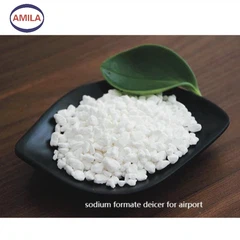
At our company, we are committed to providing high - quality aircraft deicers with a long shelf life. Our Eco - friendly Deicer is formulated with potassium formate, which is not only effective in deicing but also environmentally friendly. Potassium formate has excellent stability, which contributes to a longer shelf life compared to some traditional deicers.
Our Potassium Formate for Airport Deicer is specifically designed to meet the strict requirements of airport operations. It provides reliable deicing and anti - icing performance, and our quality control measures ensure that it maintains its effectiveness throughout its shelf life.
If you are looking for a reliable Aircraft Deicer, our products are a great choice. We adhere to strict manufacturing and storage standards to ensure that our deicers have a long shelf life and provide consistent performance.
Conclusion
The shelf life of aircraft deicer is influenced by various factors, including chemical composition, storage conditions, and contamination. By understanding these factors and following best practices for storage and quality control, airlines and airport operators can ensure that their deicers remain effective and safe for use.
If you have any questions about our aircraft deicers or would like to discuss procurement and pricing, please feel free to reach out to us. We are always ready to assist you in finding the best deicing solutions for your needs.
References
- "Aircraft Deicing and Anti - icing Handbook", Federal Aviation Administration (FAA)
- "Properties and Applications of Glycols in Aircraft Deicing", Journal of Aerospace Engineering
- "Environmental and Performance Considerations of Potassium Formate - Based Aircraft Deicers", International Journal of Aviation Science and Technology
Send Inquiry