


What should be done in case of skin contact with K - Diformate?
Jun 19, 2025
Leave a message
Skin contact with chemical substances can be a cause for concern, especially when dealing with compounds like K - Diformate. As a trusted supplier of K - Diformate, it is our responsibility to not only provide high - quality products but also to ensure that our customers are well - informed about safety procedures. In this blog, we will discuss what should be done in case of skin contact with K - Diformate.
Understanding K - Diformate
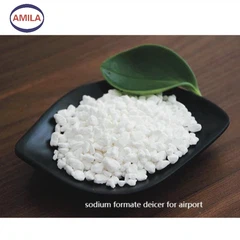
K - Diformate, also known as Potassium Formate(1:2), is a chemical compound that has gained significant popularity in the animal feed industry. It is commonly used as a feed additive due to its beneficial effects on animal health and performance. You can learn more about it by visiting our page on K - Diformate and Potassium Formate(1:2). It is a white, crystalline powder that is relatively stable under normal conditions. However, like many chemical substances, it can pose risks if it comes into contact with the skin.
Potential Risks of Skin Contact
When K - Diformate comes into contact with the skin, it can cause several adverse effects. The primary risk is irritation. The compound may react with the skin's natural moisture and pH balance, leading to redness, itching, and a burning sensation. Prolonged or repeated contact can exacerbate these symptoms and may even lead to more severe skin conditions such as dermatitis. In some cases, individuals with sensitive skin may experience an allergic reaction, which can manifest as hives, swelling, or difficulty breathing. Although these severe reactions are relatively rare, it is essential to be aware of the potential risks.
Immediate Actions for Skin Contact
If skin contact with K - Diformate occurs, the first and most crucial step is to act quickly. The following immediate actions should be taken:
1. Remove Contaminated Clothing
As soon as possible, remove any clothing or jewelry that has come into contact with the K - Diformate. This helps prevent further exposure and reduces the risk of the chemical spreading to other areas of the body. Place the contaminated items in a sealed plastic bag to prevent the spread of the chemical in the environment.
2. Rinse the Affected Area
Thoroughly rinse the affected area of the skin with plenty of lukewarm water. This should be done for at least 15 - 20 minutes. Make sure to remove all visible traces of the K - Diformate. Do not use hot water, as it can open the pores and potentially increase the absorption of the chemical into the skin. Gently pat the area dry with a clean towel after rinsing.
3. Avoid Rubbing
It is important to avoid rubbing the affected area during or after rinsing. Rubbing can cause the chemical to spread further on the skin and may also damage the skin's surface, making the irritation worse.
Assessing the Situation
After taking the immediate actions, it is necessary to assess the situation. Check the affected area of the skin for any signs of irritation, redness, or other symptoms. If the symptoms are mild, such as slight redness or itching, you can continue with home - based first - aid measures. However, if the symptoms are severe, such as severe pain, swelling, blistering, or if an allergic reaction is suspected, seek medical attention immediately.
Home - Based First - Aid Measures
For mild cases of skin irritation caused by K - Diformate, the following home - based first - aid measures can be taken:
1. Apply a Cold Compress
A cold compress can help reduce inflammation and soothe the irritated skin. Wrap a few ice cubes in a clean cloth or use a cold pack and apply it to the affected area for 10 - 15 minutes at a time. Repeat this several times a day as needed.
2. Use a Moisturizer
After rinsing and drying the affected area, apply a gentle, fragrance - free moisturizer. This helps to restore the skin's moisture balance and can alleviate itching and dryness. Look for moisturizers that contain ingredients such as aloe vera or chamomile, which have soothing properties.
3. Monitor the Symptoms
Keep a close eye on the symptoms over the next 24 - 48 hours. If the symptoms do not improve or if they worsen, seek medical advice.
Seeking Medical Attention
If the skin irritation persists or if there are signs of a severe reaction, it is crucial to seek medical attention. When visiting a healthcare provider, provide them with as much information as possible about the K - Diformate exposure. This includes the amount of the chemical that came into contact with the skin, the duration of the contact, and any symptoms that have been experienced. The healthcare provider may prescribe topical creams or ointments to treat the irritation, or in severe cases, oral medications may be required.


Preventive Measures
Prevention is always better than cure. As a K - Diformate supplier, we recommend the following preventive measures to minimize the risk of skin contact:
1. Wear Protective Equipment
When handling K - Diformate, always wear appropriate protective equipment, such as gloves, long - sleeved shirts, and safety goggles. This helps to create a barrier between the skin and the chemical, reducing the risk of contact.
2. Follow Safety Procedures
Ensure that all safety procedures are followed when handling K - Diformate. This includes proper storage, handling, and disposal of the chemical. Train all personnel who are involved in handling the product to follow these procedures correctly.
3. Provide Adequate Ventilation
When working with K - Diformate, ensure that the area is well - ventilated. This helps to reduce the concentration of the chemical in the air and minimizes the risk of inhalation as well as skin contact.
Importance of Safety Information
As a supplier, we are committed to providing our customers with comprehensive safety information. Our product labels and safety data sheets (SDS) contain detailed information about the potential hazards of K - Diformate, as well as instructions on how to handle it safely. We encourage our customers to carefully read and follow these instructions to ensure their safety and the safety of those around them. You can also find more information about our Feed Grade Potassium Diformate on our website.
Conclusion
In conclusion, skin contact with K - Diformate can pose risks, but by taking the appropriate immediate actions, assessing the situation, and following the recommended first - aid measures, the potential harm can be minimized. As a reliable K - Diformate supplier, we are dedicated to providing high - quality products and ensuring the safety of our customers. If you have any questions or concerns about K - Diformate or its safe handling, please do not hesitate to contact us. We are here to assist you with all your procurement needs and to ensure that you have a safe and successful experience with our products. Whether you are a small - scale farmer or a large - scale feed manufacturer, we can provide you with the right quantity of K - Diformate at competitive prices. Contact us today to start a discussion about your procurement requirements.
References
- Material Safety Data Sheet for K - Diformate, [Supplier's Name]
- Scientific studies on the effects of potassium formate compounds on human skin
- Guidelines for the safe handling of chemical feed additives in the animal feed industry
Send Inquiry