


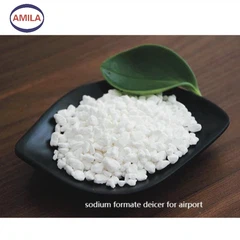
Calcium Formate Has A High Calcium Content And Helps Supplement Calcium And Promote Growth
Mar 28, 2025
Leave a message
Plants can absorb calcium ions from calcium salts such as calcium formate, and calcium in plants is in ionic form. Calcium is mainly present in leaves and old tissues and organs, and is an element that is not easy to move. Calcium acts as a bridge between the phosphate group of phospholipids and the carboxyl group of proteins in the biological membrane of plants, and thus has the function of stabilizing the cell membrane structure. Calcium is an element of the cell wall, and the middle layer of the cell wall is composed of pectin calcium. When calcium is deficient, the formation of the cell wall is hindered, affecting cell division, or failing to form a new cell wall. Therefore, plant growth is inhibited when calcium is deficient, and in severe cases, the young organs of the plant (root tips, stem ends) rot and necrotize.
Plants with calcium deficiency will have the following symptoms:
The meristems of calcium-deficient plants, such as the apical buds, lateral buds, and root tips, will first show signs of deficiency, and will be prone to rot. Young leaves will curl and become deformed, and the leaf edges will begin to turn yellow and gradually necrotize. For example, calcium deficiency will cause leaf scorch in cabbage, Chinese cabbage, and lettuce; heart rot in tomatoes, peppers, and watermelons; celery will develop stem splitting, spinach will develop black heart, and Chinese cabbage will develop dry heart; apples will develop bitter pox and water heart.

Therefore, calcium supplementation is really important, and it is not necessary to supplement it after the fruit grows, but to supplement it in advance, usually before flowering. Since calcium has such a great effect, how should it be supplemented?
1. Apply calcium fertilizer: For acidic soil with insufficient calcium supply, foliar calcium fertilizer can be feed-grade calcium formate, etc.;
2. Timely irrigation to prevent soil drying: Autumn and winter vegetables, such as Chinese cabbage, often encounter drought. Timely irrigation to keep it moist and increase the plant's absorption of calcium;
3. Control the amount of fertilizer: For saline-alkali soil and secondary salinized greenhouse soil, the amount of nitrogen and potassium fertilizers should be strictly controlled, and the amount should not be too much at one time to prevent the salt concentration of the plough layer from being too high.
Good calcium fertilizers cannot be separated from good calcium formate.https://www.amilamaterial.com/feed-additives/calcium-formates/feed-grade-calcium-formate.htmlAlthough the application of calcium fertilizers with different calcium contents (gypsum powder, lime powder, light calcium carbonate, feed-grade calcium formate) can increase production, the differences between different calcium fertilizers are still very large. Feed grade calcium formate is also widely used in calcium fertilizers, because feed grade calcium formate is rich in small-molecule organic calcium, has high utilization rate, fast absorption, and is not easily fixed by the soil; it meets the calcium absorption of crops during the growth period. It effectively prevents physiological diseases caused by calcium deficiency in crops. No matter how rich in calcium the soil is, ground fertilizers also need to use feed-grade calcium formate; because the calcium absorbed from the soil cannot reach the new leaves, and the old leaves are retained. Using feed-grade calcium formate foliar fertilizer can supplement elements, reduce nutritional imbalance, and ensure the growth state of crops. In addition, the calcium supplementation effect of feed-grade calcium formate is unquestionable.
Send Inquiry