


How do aircraft deicers interact with aircraft paints?
Aug 29, 2025
Leave a message
Hey there! As a supplier of Aircraft Deicers, I've been getting a lot of questions lately about how our deicers interact with aircraft paints. It's a crucial topic, especially considering the safety and aesthetics of aircraft. So, I thought I'd take some time to break it down for you.
First off, let's talk about what aircraft paints are all about. Aircraft paints aren't just for looks. They play a vital role in protecting the aircraft's structure from corrosion, UV rays, and other environmental factors. They're designed to be durable and resistant to all sorts of conditions. But when it comes to deicing, things can get a bit tricky.
Our Aircraft Deicers are formulated to be effective in removing ice and snow from aircraft surfaces quickly. But we also need to make sure they don't cause any damage to the paint. That's where the science comes in.
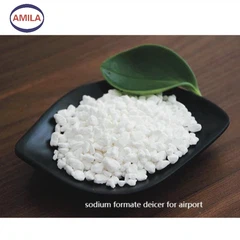
One of the main components of our deicers is potassium formate. You can learn more about Potassium Formate for Airport Deicer. Potassium formate is a great choice because it's highly effective at melting ice and snow. It works by lowering the freezing point of water, which helps to break the bond between the ice and the aircraft surface.
But how does it interact with the paint? Well, the good news is that potassium formate is relatively gentle on aircraft paints. It doesn't contain any harsh chemicals that could cause peeling, cracking, or discoloration. However, it's still important to follow the proper application procedures to minimize any potential risks.


When applying our Aircraft Deicer, we recommend using the right equipment and following the manufacturer's instructions. This ensures that the deicer is applied evenly and at the correct concentration. If the deicer is applied too thickly or left on the surface for too long, it could potentially cause some issues with the paint.
Another factor to consider is the type of paint used on the aircraft. Different paints have different levels of resistance to deicers. Some paints are specifically formulated to be more resistant to chemicals and environmental factors. If you're concerned about the compatibility of our deicer with your aircraft's paint, it's a good idea to consult with the paint manufacturer or a professional aircraft maintenance technician.
In addition to potassium formate, our deicers also contain other additives that help to improve their performance and protect the aircraft. These additives can include corrosion inhibitors, surfactants, and anti-foaming agents. The corrosion inhibitors help to prevent the formation of rust and corrosion on the aircraft's metal surfaces, while the surfactants help to improve the wetting and spreading properties of the deicer.
We also take pride in offering an Eco-friendly Deicer. Our eco-friendly deicers are designed to be less harmful to the environment while still providing effective ice and snow removal. They're biodegradable and have a lower impact on water quality compared to traditional deicers.
Now, let's talk about some of the potential issues that could arise if the deicer isn't used properly. One of the most common problems is paint damage. If the deicer is left on the surface for too long or if it's applied at the wrong concentration, it could cause the paint to peel, crack, or discolor. This not only affects the appearance of the aircraft but can also compromise its structural integrity.
Another issue is corrosion. If the deicer contains any salts or other corrosive substances, it could cause rust and corrosion to form on the aircraft's metal surfaces. This can lead to serious structural problems if not addressed promptly. That's why it's so important to use a high-quality deicer that's specifically formulated for aircraft.
To avoid these issues, it's important to have a proper deicing procedure in place. This includes pre-flight inspections to check for any signs of paint damage or corrosion, as well as regular maintenance and cleaning of the aircraft. It's also a good idea to train your staff on the proper use and application of the deicer to ensure that it's used correctly.
In conclusion, our Aircraft Deicers are designed to be effective at removing ice and snow from aircraft surfaces while minimizing the risk of damage to the paint. By using a high-quality deicer like ours and following the proper application procedures, you can help to ensure the safety and longevity of your aircraft.
If you're interested in learning more about our Aircraft Deicers or have any questions about how they interact with aircraft paints, please don't hesitate to reach out. We're here to help you find the right solution for your needs. Whether you're an airline, a private aircraft owner, or a maintenance facility, we can provide you with the products and support you need to keep your aircraft safe and in top condition.
References
- Aircraft Maintenance Manuals
- Potassium Formate Technical Data Sheets
- Paint Manufacturer Guidelines for Deicer Compatibility
Send Inquiry