


How does solid sodium formate interact with paint pigments?
Jan 02, 2026
Leave a message
Hey there! I'm a supplier of solid sodium formate, and today I wanna talk about how this cool chemical interacts with paint pigments.
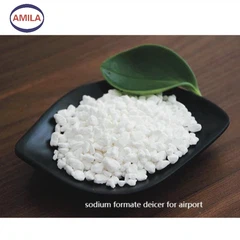
Let's start by getting to know solid sodium formate a bit better. It's a white, crystalline powder that's got some pretty interesting properties. As a supplier, I offer different grades of it, like Sodium Formate 95% Min and Sodium Formate 98% Min, and also Liquid Sodium Formate. Each grade has its own unique features and uses, but in the context of paint pigments, they all play important roles.
Now, when it comes to paint pigments, they're what give paint its color. There are all sorts of pigments out there, from organic ones to inorganic ones. Organic pigments are usually made from carbon-based compounds and can produce really bright and vivid colors. Inorganic pigments, on the other hand, are often made from minerals and metals, and they tend to be more durable and stable.
So, how does solid sodium formate interact with these pigments? Well, one of the main ways is through its chemical properties. Solid sodium formate is a reducing agent, which means it can donate electrons to other substances. In the case of paint pigments, this can have a few different effects.
First off, it can help with the dispersion of pigments in the paint. When you're making paint, you want the pigments to be evenly distributed throughout the liquid medium. If they clump together, it can lead to uneven color and a poor finish. Sodium formate can act as a dispersant, breaking up those clumps and making sure the pigments are spread out nicely. This results in a more consistent and high - quality paint.
Another way it interacts is by affecting the stability of the pigments. Some pigments can be sensitive to oxidation, which can cause them to fade or change color over time. Since sodium formate is a reducing agent, it can prevent oxidation from happening. It reacts with any oxidizing agents in the paint environment, protecting the pigments and keeping their color looking fresh for longer.
Let's take a closer look at the chemical reactions involved. When sodium formate is added to a paint mixture, it can react with metal ions that might be present in the pigments or the paint medium. For example, if there are iron ions in an inorganic pigment, sodium formate can reduce them from a higher oxidation state to a lower one. This can change the color and properties of the pigment in a controlled way.
In some cases, sodium formate can also form complexes with the pigments. A complex is a compound where the sodium formate molecules attach to the pigment molecules in a specific way. This can change the solubility and reactivity of the pigments. For instance, it might make the pigments more soluble in the paint solvent, which can improve their dispersion and application.
But it's not just about the chemical reactions. The physical properties of solid sodium formate also matter. Its small particle size allows it to mix well with the paint components. It can easily penetrate between the pigment particles, helping to break up any agglomerates and improving the overall texture of the paint.
Now, the type of paint also matters. For water - based paints, sodium formate can be particularly useful. Water - based paints are more environmentally friendly, but they can sometimes have issues with pigment dispersion and stability. Sodium formate can help address these problems. It can dissolve in the water phase of the paint and interact with the pigments directly, improving their performance.
In oil - based paints, the interaction is a bit different. The oil acts as a barrier between the sodium formate and the pigments to some extent. However, sodium formate can still have an impact. It can react with any impurities or oxidizing agents in the oil, which can indirectly affect the pigments. Also, it can help with the drying process of the oil - based paint. By reducing the oxidation of the oil, it can speed up the drying time and improve the hardness of the paint film.
When it comes to using sodium formate in paint production, the amount added is crucial. Too little, and it won't have much of an effect. Too much, and it can cause other problems. For example, if you add too much sodium formate, it can change the pH of the paint. Most paints are formulated to work within a specific pH range, and a significant change in pH can affect the stability and performance of the pigments.
Another factor to consider is the compatibility of sodium formate with other additives in the paint. There are often other chemicals added to paint, like binders, solvents, and thickeners. These additives can interact with sodium formate and the pigments in different ways. For example, some binders might react with sodium formate, which could either enhance or disrupt the interaction with the pigments.
In the real - world application of paints, the interaction between solid sodium formate and pigments can have a big impact on the final product. For example, in automotive paints, where a high - quality and long - lasting finish is required, the use of sodium formate can make a huge difference. It can ensure that the paint color remains vibrant and doesn't fade over years of exposure to sunlight, heat, and moisture.


In architectural paints, which are used on buildings, sodium formate can help the paint withstand environmental factors like rain, snow, and pollution. By protecting the pigments, it keeps the building looking good and reduces the need for frequent repainting.
As a supplier of solid sodium formate, I've seen firsthand how it can improve the quality of paint products. I work closely with paint manufacturers to understand their specific needs and recommend the right grade and amount of sodium formate for their formulations.
If you're in the paint - making business and you're looking for a way to improve the performance of your pigments, I'd highly recommend giving solid sodium formate a try. Whether you need Sodium Formate 95% Min, Sodium Formate 98% Min, or Liquid Sodium Formate, I can provide you with high - quality products.
If you're interested in learning more or want to start a purchase negotiation, don't hesitate to reach out. I'm always here to help you find the best solution for your paint production needs.
References
- "The Chemistry of Paints and Pigments" - A textbook on the chemical composition and reactions of paints and pigments.
- "Reducing Agents in Industrial Applications" - A research paper that discusses the use of reducing agents like sodium formate in various industries, including paint manufacturing.
- "Pigment Dispersion and Stability" - An article that focuses on the factors affecting the dispersion and stability of pigments in paint formulations.
Send Inquiry