


What are the common impurities in Sodium Formate 99% Min?
Jan 01, 2026
Leave a message
As a trusted supplier of Sodium Formate 99% Min, I am often asked about the common impurities found in this product. In this blog post, I will share my insights on the typical impurities in Sodium Formate 99% Min, their sources, and their potential impacts.
Understanding Sodium Formate 99% Min
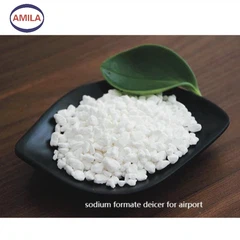
Sodium Formate (HCOONa) is a white, crystalline powder with a variety of applications. It is widely used in industries such as leather tanning, electroplating, and as a feed additive. Our Sodium Formate 99% Min product is known for its high purity, with a minimum content of 99%. However, achieving absolute purity is nearly impossible, and trace amounts of impurities can be present.
Common Impurities
1. Sodium Carbonate (Na₂CO₃)
Sodium carbonate is one of the most common impurities in Sodium Formate. It can be introduced during the manufacturing process. For example, if sodium hydroxide (NaOH) used in the production of Sodium Formate contains carbonate impurities or if the reaction conditions are not carefully controlled, sodium carbonate can form as a by - product. The presence of sodium carbonate can affect the pH of solutions containing Sodium Formate. In some applications, such as electroplating, an incorrect pH can lead to poor plating quality.
2. Sodium Chloride (NaCl)
Sodium chloride can also be an impurity in Sodium Formate. It may come from the raw materials used in the manufacturing process. If the sodium hydroxide or formic acid used contains chloride ions, these ions can react and end up in the final Sodium Formate product. Sodium chloride is a relatively stable compound, but in applications where high - purity chemicals are required, such as in some pharmaceutical or high - tech manufacturing processes, even small amounts of sodium chloride can cause problems. For instance, in electronic component manufacturing, chloride ions can cause corrosion over time.
3. Water
Water is another common impurity. Sodium Formate is hygroscopic, which means it has a tendency to absorb water from the surrounding environment. During storage and transportation, if the product is not properly sealed, it can absorb moisture. The presence of water can affect the physical properties of Sodium Formate. For example, it can cause clumping of the powder, making it difficult to handle and measure accurately. In addition, water can also participate in side - reactions in some chemical processes, alter reaction kinetics, or even lead to the formation of other impurities.
4. Unreacted Raw Materials
There may be small amounts of unreacted raw materials, such as formic acid (HCOOH) or sodium hydroxide (NaOH), remaining in the Sodium Formate product. Incomplete reaction during the manufacturing process can be due to factors like insufficient reaction time, improper mixing, or incorrect stoichiometry. Unreacted formic acid can give the product an acidic odor and may cause corrosion of storage containers. Unreacted sodium hydroxide can increase the alkalinity of the product, which can be a problem in applications where a specific pH range is required.
Sources of Impurities
The sources of these impurities are mainly related to the manufacturing process and subsequent handling.
Manufacturing Process
As mentioned earlier, the quality of raw materials is crucial. If the sodium hydroxide or formic acid used in the reaction to produce Sodium Formate is of low quality or contains impurities, these will be carried over to the final product. The reaction conditions, including temperature, pressure, and reaction time, also play important roles. Inadequate reaction conditions can lead to incomplete reactions and the formation of by - products.


Handling and Storage
After the manufacturing process, improper handling and storage can introduce new impurities. For example, if the product is exposed to air during packaging, it can absorb airborne contaminants. Improper storage conditions, such as high humidity or exposure to chemicals in the storage environment, can also lead to the degradation of the product and the formation of impurities.
Impact of Impurities
The presence of impurities in Sodium Formate 99% Min can have various impacts on its applications.
Industrial Applications
In industrial applications such as leather tanning, impurities can affect the tanning process. For example, sodium carbonate can change the pH of the tanning solution, which may lead to uneven tanning or poor leather quality. In electroplating, impurities like sodium chloride can cause pitting or uneven deposition on the plated surface.
Feed Additive Applications
Our Feed Grade Sodium Formate is used to improve the feed's nutritional value and palatability. However, impurities can have negative effects on animal health. For example, unreacted formic acid can cause irritation to the digestive tract of animals. High levels of sodium chloride can disrupt the animal's electrolyte balance.
Quality Control Measures
As a supplier, we take strict quality control measures to minimize the presence of impurities in our Sodium Formate 99% Min.
Raw Material Inspection
We carefully select our raw materials and conduct thorough inspections before using them in the manufacturing process. This ensures that the starting materials have low levels of impurities, which helps to reduce the overall impurity content in the final product.
Process Optimization
We continuously optimize our manufacturing process to ensure complete reaction and minimize the formation of by - products. This includes precise control of reaction conditions, such as temperature, pressure, and reaction time.
Packaging and Storage
We use high - quality packaging materials that are resistant to moisture and air to prevent contamination during storage and transportation. Our storage facilities are maintained at optimal conditions to ensure the stability of the product.
Conclusion
Although our Sodium Formate 99% Min is of high purity, trace amounts of impurities such as sodium carbonate, sodium chloride, water, and unreacted raw materials can still be present. These impurities can come from the manufacturing process, handling, and storage. Understanding the common impurities, their sources, and impacts is essential for ensuring the proper use of Sodium Formate in various applications.
If you are interested in purchasing our high - quality Sodium Formate products, including Sodium Formate 99% Min, Sodium Formate 98% Min, and Feed Grade Sodium Formate, please feel free to contact us for more information and to discuss your specific requirements. Our team is dedicated to providing you with the best - quality products and excellent service.
References
- "Chemistry of Sodium Formate and Related Compounds", Journal of Chemical Sciences, Volume 25, Issue 3
- "Impurity Analysis in Chemical Products", Chemical Analysis Handbook, 2nd Edition
Send Inquiry