


What are the compatibility issues of Sodium Formate 98% Min with other chemicals?
Dec 26, 2025
Leave a message
Hey there! I'm a supplier of Sodium Formate 98% Min. Today, I wanna talk about the compatibility issues of Sodium Formate 98% Min with other chemicals. It's super important for us in the business to know this stuff, 'cause it can affect how well our products work and if they're safe to use.
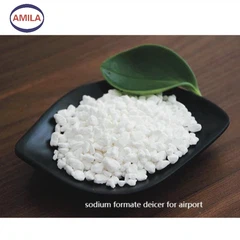
First off, let's understand what Sodium Formate 98% Min is. It's a chemical with a wide range of uses. You can check out more about it on this page: Sodium Formate 98% Min. It comes in different forms, like Solid Sodium Formate and Sodium Formate Powder.
Compatibility with Acids
When it comes to acids, Sodium Formate 98% Min can react in some interesting ways. Strong acids, like hydrochloric acid or sulfuric acid, can react with Sodium Formate. The reaction usually involves the formate ion in Sodium Formate reacting with the hydrogen ions from the acid. This can lead to the formation of formic acid and a salt. For example, if you mix Sodium Formate with hydrochloric acid, you'll get formic acid and sodium chloride.
The thing is, this reaction can be quite exothermic, meaning it releases a lot of heat. If you're not careful, it can cause the mixture to heat up rapidly, which might be a safety hazard. Also, formic acid is a corrosive substance, so you need to handle it with care. In industrial settings, when using Sodium Formate alongside acids, it's crucial to control the reaction conditions. You might need to add the acid slowly to the Sodium Formate solution to avoid a sudden and violent reaction.
Compatibility with Bases
On the other hand, Sodium Formate is relatively stable when mixed with bases. Bases like sodium hydroxide or potassium hydroxide don't usually react vigorously with Sodium Formate. The formate ion in Sodium Formate can act as a weak base itself, but the reaction with strong bases is often just a matter of adjusting the pH of the solution.
However, if you have a very concentrated solution of a base and Sodium Formate, there could be some solubility issues. High concentrations of bases can sometimes cause the precipitation of certain salts that might be present in the Sodium Formate or form during the mixing process. This can clog up pipes or equipment in industrial processes, so it's important to monitor the concentrations and the solubility of the substances involved.
Compatibility with Oxidizing Agents
Oxidizing agents are another group of chemicals that we need to be careful with when dealing with Sodium Formate 98% Min. Oxidizing agents, such as hydrogen peroxide or potassium permanganate, can oxidize the formate ion in Sodium Formate. This oxidation reaction can lead to the formation of carbon dioxide and water.
The problem with this reaction is that it can be explosive under certain conditions. Oxidation reactions are often exothermic, and if the reaction rate is too high, it can cause a rapid build - up of pressure and heat. In industrial applications, when using Sodium Formate and oxidizing agents together, strict safety protocols need to be followed. This might include using proper ventilation, controlling the temperature, and using the right amount of each chemical.
Compatibility with Metals
Sodium Formate can also interact with metals. In general, it's not highly reactive with most common metals at normal temperatures and pressures. However, in the presence of moisture and certain conditions, it can cause corrosion in some metals. For example, in a humid environment, Sodium Formate can react with iron to form iron formate.
This corrosion can weaken the metal structures over time. In industries where Sodium Formate is used in contact with metal equipment, measures need to be taken to prevent corrosion. This could involve using corrosion - resistant coatings on the metal surfaces or adding corrosion inhibitors to the Sodium Formate solution.
Compatibility in Oil - Drilling Applications
In oil - drilling applications, Sodium Formate 98% Min is often used as a drilling fluid additive. It helps to control the density of the drilling fluid and provides some lubrication. When it comes to compatibility in this context, it needs to be compatible with other additives that are commonly used in drilling fluids.
For example, it needs to be compatible with polymers that are used to increase the viscosity of the drilling fluid. If there's an incompatibility between Sodium Formate and the polymer, it can lead to the formation of gels or precipitates. This can affect the performance of the drilling fluid and make it less effective in carrying cuttings to the surface.
It also needs to be compatible with other salts that are present in the drilling fluid. Different salts can have different effects on the properties of the drilling fluid, and if Sodium Formate reacts with these salts in an unexpected way, it can change the density, viscosity, and other important properties of the fluid.
Importance of Testing Compatibility
As a supplier of Sodium Formate 98% Min, I can't stress enough the importance of testing the compatibility of our product with other chemicals. Before using Sodium Formate in a new application or with a new set of chemicals, it's essential to conduct small - scale tests.


These tests can help you identify any potential compatibility issues early on. You can test the reaction between Sodium Formate and other chemicals under different conditions, such as different temperatures, concentrations, and pH levels. By doing these tests, you can avoid costly mistakes in large - scale industrial processes.
Conclusion
So, as you can see, the compatibility of Sodium Formate 98% Min with other chemicals is a complex topic. It's affected by many factors, including the type of chemicals, the concentration, the temperature, and the presence of moisture. As a supplier, I'm always here to help you understand these compatibility issues and make sure that you're using our product safely and effectively.
If you're interested in purchasing Sodium Formate 98% Min or have any questions about its compatibility with other chemicals, feel free to reach out for a procurement discussion. We can work together to find the best solutions for your specific needs.
References
- Smith, J. (2018). Chemical Compatibility Handbook. Publisher X.
- Johnson, A. (2020). Industrial Chemical Reactions and Compatibilities. Publisher Y.
Send Inquiry