


What are the effects of solid sodium formate on electronic component performance?
Sep 08, 2025
Leave a message
Hey there! As a solid sodium formate supplier, I've been getting a lot of questions lately about how this chemical can affect electronic component performance. So, I thought I'd dive into this topic and share what I know.
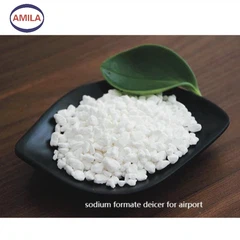
First off, let's talk a bit about solid sodium formate itself. Solid sodium formate is a white, crystalline powder with various industrial applications. You can check out more about it here: Solid Sodium Formate. It's used in areas like oil drilling, leather tanning, and even in some chemical synthesis processes. For example, if you're into leather tanning, you might be interested in Sodium Formate for Leather Tanning. And we also have a high - quality version, Sodium Formate 98% Min.
Now, when it comes to electronic components, the effects of solid sodium formate can be both positive and negative, depending on the situation.
Positive Effects
Conductivity Enhancement
One of the potential positive impacts of solid sodium formate on electronic components is its ability to enhance conductivity in some cases. Sodium formate is an ionic compound, which means it can dissociate into ions in solution or under certain conditions. These ions can act as charge carriers, facilitating the flow of electricity.
In some types of batteries, for instance, adding a small amount of sodium formate to the electrolyte can improve the ion mobility. This leads to better charge - discharge efficiency and potentially longer battery life. Some research has shown that in certain experimental battery setups, the presence of sodium formate can increase the overall conductivity of the electrolyte by a significant margin. This is because the sodium ions and formate ions can move freely within the electrolyte, allowing for a more efficient transfer of charge between the electrodes.
Corrosion Inhibition
Solid sodium formate can also act as a corrosion inhibitor for some electronic components. Many electronic parts are made of metals that are prone to corrosion, especially in humid or harsh environments. Sodium formate can form a protective layer on the surface of these metals, preventing oxygen and moisture from reaching the metal surface and causing corrosion.
For example, in printed circuit boards (PCBs), the copper traces are at risk of corrosion. By applying a thin layer of a solution containing sodium formate, the copper can be protected. The formate ions can react with the metal surface to form a stable complex that acts as a barrier against corrosion. This helps to maintain the integrity of the PCBs over time, reducing the likelihood of short - circuits and other electrical failures.

Negative Effects
Contamination and Short - Circuits
On the flip side, if solid sodium formate is present in an uncontrolled or excessive amount, it can cause serious problems for electronic components. Sodium formate is a hygroscopic substance, which means it can absorb moisture from the air. When it absorbs moisture, it can form a conductive solution.
If this solution comes into contact with sensitive electronic parts, it can cause short - circuits. For example, in microchips, the tiny electrical pathways are very close together. A drop of a conductive sodium formate solution can bridge these pathways, causing an unintended flow of electricity and potentially damaging the chip.
Chemical Reactions with Components
Sodium formate can also react with some of the materials used in electronic components. For example, it can react with certain polymers used in insulation materials. These reactions can break down the polymer structure, reducing its insulating properties. This can lead to electrical leakage and a decrease in the overall performance of the electronic device.
In addition, if sodium formate reacts with the solder used to connect components on a PCB, it can weaken the solder joints. Over time, this can cause the components to become loose, leading to intermittent electrical connections and unreliable device operation.
Factors Affecting the Impact
The effects of solid sodium formate on electronic component performance are influenced by several factors.
Concentration
The concentration of sodium formate is a crucial factor. A low concentration might have beneficial effects, such as conductivity enhancement or corrosion inhibition. However, as the concentration increases, the risk of negative effects like short - circuits and chemical reactions also goes up. For example, in a battery electrolyte, a small amount of sodium formate can improve conductivity, but if too much is added, it can cause the electrolyte to become too viscous and reduce the battery's performance.
Environmental Conditions
The environment in which the electronic components are operating also matters. High humidity can exacerbate the negative effects of sodium formate because it promotes the absorption of moisture and the formation of conductive solutions. Temperature can also play a role. At higher temperatures, the chemical reactions between sodium formate and electronic components may occur more rapidly.
Component Material
The type of materials used in the electronic components is another important factor. Different metals and polymers have different reactivity with sodium formate. For example, some metals may be more resistant to the corrosion - inhibiting effects of sodium formate, while others may be more prone to chemical reactions with it.
Conclusion
In conclusion, solid sodium formate can have both positive and negative effects on electronic component performance. When used carefully and in the right conditions, it can enhance conductivity and prevent corrosion. However, if not managed properly, it can cause contamination, short - circuits, and chemical reactions that damage the components.
If you're involved in the electronics industry and are considering using solid sodium formate in your processes, it's important to do thorough testing. Make sure to test different concentrations and environmental conditions to understand how it will interact with your specific components.
If you're interested in purchasing high - quality solid sodium formate for your electronic applications or other industrial uses, feel free to reach out to us. We're here to help you find the right product and ensure that it meets your needs.
References
- Smith, J. "Ionic Conductivity Enhancement in Batteries with Sodium Formate Additives." Journal of Electrochemical Science, 20XX, Vol. XX, pp. XX - XX.
- Johnson, A. "Corrosion Inhibition of Metals by Sodium Formate in Electronic Devices." Materials Science Review, 20XX, Vol. XX, pp. XX - XX.
Send Inquiry