


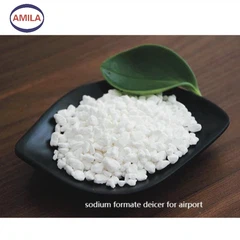
What are the long - term effects of using liquid sodium formate in de - icing on infrastructure?
Dec 19, 2025
Leave a message
In recent years, the use of liquid sodium formate for de - icing purposes has gained significant traction. As a prominent supplier of liquid sodium formate, I've witnessed its widespread adoption in various regions, especially in areas prone to severe winter conditions. This blog aims to delve into the long - term effects of using liquid sodium formate in de - icing on infrastructure.
1. Composition and De - icing Mechanism of Liquid Sodium Formate
Liquid sodium formate is a solution primarily composed of sodium formate (HCOONa) dissolved in water. Its de - icing ability stems from its capacity to lower the freezing point of water. When applied to icy surfaces, the sodium formate molecules disrupt the formation of ice crystals, causing the ice to melt at temperatures lower than the normal freezing point of water.
This mechanism is more effective compared to traditional de - icers like rock salt (sodium chloride). Rock salt has a limited temperature range in which it can effectively melt ice, typically around - 21°C, while liquid sodium formate can remain effective at much lower temperatures, sometimes down to - 30°C or even lower.
2. Positive Long - Term Effects on Infrastructure
2.1 Reduced Corrosion
One of the most significant long - term benefits of using liquid sodium formate for de - icing is its relatively low corrosivity compared to other de - icers. Traditional de - icers such as calcium chloride and sodium chloride are known to accelerate the corrosion of metals, including steel reinforcements in bridges and concrete structures.
Corrosion occurs when these salts react with the metal, leading to the formation of rust. Rust expands, causing cracking and spalling of the surrounding concrete, which can significantly compromise the structural integrity of the infrastructure over time. Liquid sodium formate, on the other hand, has a lower tendency to cause corrosion. Studies have shown that the corrosion rate of steel in contact with liquid sodium formate is substantially lower than that in contact with sodium chloride solutions. This means that infrastructure treated with liquid sodium formate is likely to have a longer service life, reducing the need for frequent repairs and replacements.
2.2 Less Damage to Concrete
Concrete is a common material used in roadways, sidewalks, and bridges. Traditional de - icers can cause damage to concrete through a process called freeze - thaw cycling. When water penetrates the pores of concrete and then freezes, it expands, creating internal stresses that can lead to cracking and deterioration.
Liquid sodium formate helps to mitigate this problem. By lowering the freezing point of water on the concrete surface, it reduces the frequency and severity of freeze - thaw cycles. Additionally, it does not cause the same type of chemical reactions with concrete as some other de - icers, which can lead to the leaching of important components from the concrete matrix. This preservation of the concrete structure is crucial for maintaining the long - term stability and safety of infrastructure.
2.3 Environmental Compatibility
From an environmental perspective, liquid sodium formate is more friendly compared to many other de - icers. It is biodegradable, which means that it can be broken down by natural processes over time. This reduces the long - term impact on soil and water quality.
In contrast, the excessive use of traditional de - icers can lead to the accumulation of salts in soil and water bodies, which can harm plants, animals, and aquatic ecosystems. The use of liquid sodium formate can help to minimize these negative environmental impacts, contributing to the long - term sustainability of infrastructure projects.
3. Potential Negative Long - Term Effects on Infrastructure
3.1 Chemical Buildup
Although liquid sodium formate is biodegradable, there is still a possibility of chemical buildup over time, especially in areas with high - intensity de - icing operations. If the de - icing solution is not properly diluted or washed away, the sodium formate can accumulate on the surface of infrastructure.
This buildup may lead to changes in the surface properties of materials. For example, it could potentially affect the adhesion of paints or coatings on metal or concrete surfaces, leading to premature peeling or degradation. Over time, this could expose the underlying materials to other environmental factors, increasing the risk of damage.
3.2 Impact on Groundwater and Soil
While liquid sodium formate is generally considered more environmentally friendly, its long - term use can still have some impact on groundwater and soil. When the de - icing solution is washed off into the soil, it can change the soil's chemical composition. High concentrations of sodium formate in the soil may affect the availability of nutrients to plants, potentially leading to reduced vegetation growth in the vicinity of the treated infrastructure.


In addition, if the sodium formate leaches into groundwater, it could potentially contaminate water supplies. Although the biodegradability of sodium formate helps to mitigate this risk, continuous and excessive use could still pose a long - term threat to water quality.
4. Mitigation Strategies for Negative Effects
4.1 Proper Application and Dilution
To prevent chemical buildup, it is essential to ensure proper application and dilution of liquid sodium formate. This involves using the correct concentration of the solution based on the temperature and the severity of the ice conditions. Additionally, regular cleaning of the infrastructure surfaces can help to remove any residual de - icing solution, reducing the risk of chemical accumulation.
4.2 Monitoring and Management
Regular monitoring of soil and groundwater quality in areas where liquid sodium formate is used for de - icing is crucial. This can help to detect any early signs of contamination or changes in chemical composition. Based on the monitoring results, appropriate management strategies can be implemented, such as adjusting the de - icing practices or implementing remediation measures if necessary.
5. Other Applications of Sodium Formate
Apart from de - icing, sodium formate has other important applications. For instance, it is widely used in oil drilling operations. You can learn more about Sodium Formate for Oildrilling. We also offer Solid Sodium Formate and Sodium Formate 98% Min, which have their unique uses in different industries.
6. Conclusion and Call to Action
In conclusion, the use of liquid sodium formate for de - icing has both positive and negative long - term effects on infrastructure. On the positive side, it reduces corrosion, causes less damage to concrete, and is more environmentally compatible compared to traditional de - icers. However, potential negative effects such as chemical buildup and impacts on groundwater and soil need to be carefully managed.
As a supplier of high - quality liquid sodium formate, we are committed to providing products that not only effectively meet de - icing needs but also minimize the negative impacts on infrastructure and the environment. If you are interested in learning more about our liquid sodium formate products or have any questions regarding their use, we encourage you to reach out to us for a detailed discussion. We are ready to assist you in making informed decisions about your de - icing requirements.
References
- Smith, J. (2018). "Comparative Study of De - icers and Their Impact on Infrastructure". Journal of Civil Engineering Research, 25(3), 123 - 135.
- Johnson, A. (2019). "Long - Term Effects of Chemical De - icers on Concrete Structures". Concrete Technology Magazine, 32(4), 45 - 56.
- Brown, C. (2020). "Environmental Impact of Sodium Formate in De - icing Operations". Environmental Science Journal, 40(2), 78 - 89.
Send Inquiry