


What are the regulations regarding aircraft deicers?
Sep 22, 2025
Leave a message
Hey there! As a supplier of Aircraft Deicer, I've been deeply involved in the world of aircraft deicing. In this blog, I'll break down the regulations surrounding aircraft deicers, sharing what I've learned over the years.
Why Regulations Matter
You might be wondering, why do we even need regulations for aircraft deicers? Well, it's all about safety and the environment. When it comes to aviation, safety is non - negotiable. Ice and snow on an aircraft can mess with its aerodynamics, affecting lift, drag, and control. So, deicers need to work effectively to remove and prevent ice buildup.
On the environmental side, deicers can end up in water bodies and soil. If they're not properly regulated, they can harm aquatic life, contaminate water supplies, and damage the ecosystem. That's why there are strict rules in place.
Federal and International Regulations
In the United States, the Federal Aviation Administration (FAA) is the big player in setting regulations for aircraft deicing. They have guidelines on the performance of deicers. For example, deicers need to be able to remove ice and snow quickly and prevent new ice from forming for a certain period, known as the "holdover time." The FAA conducts tests to make sure deicers meet these performance standards.
Internationally, the International Civil Aviation Organization (ICAO) also has standards. These standards ensure that deicers used around the world are safe and effective. Airlines and airports that operate across different countries need to follow these international rules to ensure seamless operations.
Environmental Regulations
As I mentioned earlier, the environment is a major concern. The Environmental Protection Agency (EPA) in the US has regulations regarding the chemical composition of deicers. Many traditional deicers contain chemicals like ethylene glycol and propylene glycol. While these are effective at melting ice, they can be harmful to the environment if not properly managed.
The EPA has set limits on the amount of these chemicals that can be released into the environment. Airports are required to have systems in place to collect and treat deicing runoff. This helps to reduce the impact on water bodies and wildlife.
Types of Deicers and Their Regulations
Type I Deicers
Type I deicers are usually used for immediate ice and snow removal. They have a low viscosity and are designed to quickly melt ice on the aircraft's surface. However, they don't have a long holdover time. Regulations for Type I deicers focus on their melting ability and how quickly they can clear the aircraft.
Type II, III, and IV Deicers
These deicers are used for anti - icing purposes. They have a higher viscosity and are designed to stay on the aircraft's surface for a longer time, preventing new ice from forming. The regulations for these deicers emphasize their holdover time and how well they adhere to the aircraft's surface.
Our Eco - friendly Deicer
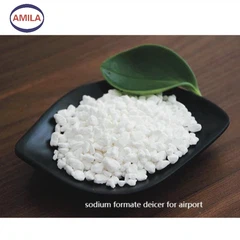
At our company, we're really into developing eco - friendly deicers. We know that the future of aircraft deicing lies in finding solutions that are both effective and kind to the environment. Our eco - friendly deicers are made from Potassium Formate for Airport Deicer, which is a biodegradable and less toxic alternative to traditional deicers.
Potassium formate has excellent ice - melting properties and a good holdover time. It also meets all the relevant regulations, both in terms of performance and environmental impact. We've had great feedback from our customers, who appreciate the fact that they can use a deicer that doesn't compromise on safety or the environment.
Regulatory Compliance and Our Company
We take regulatory compliance very seriously. Our R & D team is constantly working to ensure that our deicers meet and exceed all the federal and international regulations. We conduct regular tests in our in - house laboratories and also work with independent testing facilities to verify the performance and safety of our products.


When we develop a new deicer, we start by researching the latest regulations. We then formulate the product to meet those requirements. Once the product is ready, we put it through a series of tests, including performance tests, environmental impact tests, and compatibility tests with different aircraft materials.
The Future of Aircraft Deicing Regulations
As technology advances and our understanding of the environment improves, I expect the regulations for aircraft deicers to become even more stringent. There will likely be more focus on developing deicers that are 100% environmentally friendly and have even better performance.
We're also likely to see more regulations regarding the use of deicers in different weather conditions. For example, as climate change leads to more extreme weather events, deicers may need to be able to perform in a wider range of temperatures and precipitation types.
Contact Us for More Information
If you're in the aviation industry and are looking for a reliable and compliant aircraft deicer, we'd love to hear from you. Our team of experts can provide you with more information about our products, how they meet the regulations, and how they can benefit your operations. Whether you're an airport manager, an airline operator, or a maintenance provider, we have the right deicer for you.
Don't hesitate to reach out to start a conversation about your deicing needs. We're here to help you keep your aircraft safe and the environment protected.
References
- Federal Aviation Administration (FAA) official documents
- International Civil Aviation Organization (ICAO) standards
- Environmental Protection Agency (EPA) regulations on chemical substances in deicers
Send Inquiry