


What are the fire - fighting measures for liquid sodium formate in case of a fire?
Sep 19, 2025
Leave a message
As a supplier of Liquid Sodium Formate, I understand the importance of being well - informed about fire - fighting measures in case of an emergency. Liquid Sodium Formate is a chemical with its own set of properties and risks when it comes to fire situations. In this blog, I'll delve into the key fire - fighting measures that should be taken when dealing with a fire involving Liquid Sodium Formate.
Properties of Liquid Sodium Formate
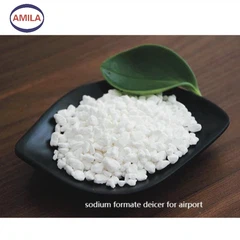
Before discussing the fire - fighting measures, it's essential to understand the properties of Liquid Sodium Formate. Sodium formate (HCOONa) is a white, crystalline solid in its pure form, and the liquid form is usually a solution. It is soluble in water and has a relatively high boiling point. When exposed to high temperatures or an open flame, Liquid Sodium Formate can undergo decomposition and potentially contribute to a fire.
Fire Hazards of Liquid Sodium Formate
Liquid Sodium Formate itself is not highly flammable under normal conditions. However, when in contact with strong oxidizers or at extremely high temperatures, it can decompose. The decomposition products may include carbon monoxide, hydrogen, and other flammable gases, which can pose a significant fire and explosion hazard.
In addition, if the liquid is spilled and forms a large pool, it can spread the fire more rapidly if ignited. The heat generated during a fire can also cause the container to rupture, releasing more of the liquid and exacerbating the situation.
Fire - Fighting Measures
Personal Protective Equipment (PPE)
The first step in any fire - fighting operation is to ensure the safety of the firefighters. They should wear appropriate PPE, including fire - resistant suits, helmets, gloves, and self - contained breathing apparatus (SCBA). The SCBA is crucial because the decomposition products of Liquid Sodium Formate, such as carbon monoxide, are toxic and can be life - threatening if inhaled.
Extinguishing Agents
- Dry Chemical Extinguishers: Dry chemical extinguishers are one of the most effective ways to extinguish a fire involving Liquid Sodium Formate. They work by interrupting the chemical reaction of the fire. The most common type of dry chemical used is monoammonium phosphate. It can quickly smother the fire and prevent re - ignition.
- Carbon Dioxide (CO₂) Extinguishers: CO₂ extinguishers are also suitable for fires involving Liquid Sodium Formate. They work by displacing the oxygen in the area, thus suffocating the fire. CO₂ is non - conductive and leaves no residue, making it a good choice for protecting electrical equipment in the vicinity of the fire.
- Water Mist: Water mist can be used to cool the burning liquid and the surrounding area. It can also help to suppress the release of flammable gases by reducing the temperature. However, it should be used with caution as a large amount of water can cause the liquid to spread and may not be effective in extinguishing the fire completely.
Fire - Fighting Procedures
- Isolate the Area: As soon as a fire is detected, the area should be immediately isolated to prevent unauthorized access. This helps to protect other people from the fire and the potential hazards associated with the decomposition products.
- Evacuate if Necessary: If the fire is out of control or there is a high risk of explosion, an evacuation should be ordered. All personnel in the vicinity should be directed to a safe area according to the pre - established evacuation plan.
- Contain the Fire: Try to contain the fire to prevent it from spreading. This can be done by using fire barriers or by closing valves to stop the flow of the liquid if possible.
- Extinguish the Fire: Once the area is secured and proper PPE is worn, the firefighters can start extinguishing the fire using the appropriate extinguishing agents. They should aim at the base of the fire to effectively smother it.
- Monitor for Re - ignition: After the fire is extinguished, it's important to monitor the area for re - ignition. The decomposition products may still be present, and there is a risk of the fire starting again.
Storage and Handling Precautions to Prevent Fires
To minimize the risk of fires involving Liquid Sodium Formate, proper storage and handling procedures should be followed.


- Storage: Store Liquid Sodium Formate in a cool, dry place away from sources of heat, open flames, and strong oxidizers. The storage area should be well - ventilated to prevent the accumulation of flammable gases.
- Handling: When handling Liquid Sodium Formate, avoid spills. Use appropriate equipment such as pumps and hoses that are compatible with the chemical. In case of a spill, clean it up immediately using absorbent materials.
Comparison with Other Forms of Sodium Formate
It's also worth comparing the fire - fighting measures for Liquid Sodium Formate with other forms, such as Solid Sodium Formate. Solid Sodium Formate has different physical and chemical properties. In a fire situation, solid sodium formate may take longer to decompose compared to the liquid form. However, once it starts to decompose, it can also release flammable gases. The fire - fighting measures for solid sodium formate are generally similar to those for the liquid form, but more attention may be needed to break up the solid to access the burning material.
There are also different grades of sodium formate, such as Sodium Formate 98% Min and Sodium Formate 95% Min. The purity of the sodium formate can affect its reactivity in a fire. Higher - purity forms may be more stable, but they can still pose a fire hazard under the right conditions.
Conclusion
As a supplier of Liquid Sodium Formate, I am committed to ensuring the safety of our customers and the proper handling of our products. Understanding the fire - fighting measures for Liquid Sodium Formate is crucial for preventing and dealing with potential fire emergencies. By following the proper procedures, wearing the right PPE, and using the appropriate extinguishing agents, the risk of a fire can be minimized, and the safety of everyone involved can be protected.
If you are interested in purchasing Liquid Sodium Formate or have any questions about its safety and handling, please feel free to contact us for a detailed discussion. We are here to provide you with the best products and the most comprehensive support.
References
- Chemical Safety Data Sheet for Sodium Formate
- Fire - Fighting Handbook for Industrial Chemicals
- National Fire Protection Association (NFPA) Standards
Send Inquiry