


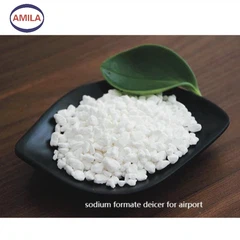
What are the storage conditions for potassium formate?
Jun 27, 2025
Leave a message
Potassium formate is a versatile chemical compound with a wide range of applications, including as a snow and ice melting agent, in oil and gas drilling fluids, and as a deicing agent for aircraft and airports. As a potassium formate supplier, understanding the proper storage conditions for this compound is crucial to maintaining its quality and effectiveness. In this blog post, I will discuss the key storage conditions for potassium formate and why they are important.
Temperature
One of the most important factors to consider when storing potassium formate is temperature. Potassium formate is a hygroscopic substance, which means it has a tendency to absorb moisture from the air. High temperatures can accelerate this process, leading to the formation of lumps or even a liquid state if the moisture absorption is significant.
For solid potassium formate, it is recommended to store it in a cool, dry place. A temperature range between 10°C and 30°C is ideal. At temperatures above 30°C, the risk of moisture absorption and caking increases. On the other hand, extremely low temperatures can cause the solid to become brittle, which may lead to breakage during handling.
For Potassium Formate Liquid, the temperature requirements are also important. It should be stored at temperatures above its freezing point. Potassium formate liquid typically has a freezing point that depends on its concentration. In general, a storage temperature above 0°C is advisable to prevent freezing, which could damage the storage containers and affect the quality of the product.
Humidity
As mentioned earlier, potassium formate is hygroscopic. Therefore, controlling the humidity in the storage environment is essential. High humidity levels can cause the potassium formate to absorb water vapor from the air, leading to a change in its physical properties.
The storage area should have a relative humidity of less than 60%. This can be achieved by using dehumidifiers in the storage facility, especially in regions with high humidity. Additionally, the storage containers should be properly sealed to prevent the ingress of moisture. For solid potassium formate, it is often packed in moisture - resistant bags or containers to minimize the contact with the surrounding air.
Container Selection
The choice of storage container is another critical aspect. For solid potassium formate, it is commonly stored in high - density polyethylene (HDPE) bags or drums. These containers are resistant to corrosion and can effectively protect the product from external factors such as moisture and contaminants.
When using bags, they should be stored on pallets to prevent direct contact with the floor, which may be damp. Drums should be tightly sealed to prevent any leakage or exposure to the environment.
For Potassium Formate Liquid, it is usually stored in stainless - steel tanks or HDPE containers. Stainless - steel tanks are preferred for large - scale storage due to their durability and resistance to corrosion. However, proper coating and lining may be required to ensure long - term compatibility with the potassium formate solution. HDPE containers are suitable for smaller quantities and are lightweight and easy to handle.
Ventilation
Proper ventilation is necessary in the storage area. Although potassium formate is not highly volatile, some minor off - gassing may occur, especially if there are impurities or if the product is exposed to high temperatures. Good ventilation helps to remove any potentially harmful gases and maintain a safe working environment.
The storage facility should have adequate ventilation systems, such as exhaust fans or natural ventilation openings. This also helps to control the temperature and humidity levels by allowing the exchange of air.
Separation from Other Substances
Potassium formate should be stored separately from other chemicals, especially those that can react with it. It is a relatively stable compound, but it can react with strong oxidizing agents, acids, and some metals under certain conditions.
For example, if potassium formate comes into contact with strong acids, it may undergo a chemical reaction that can release formic acid and other by - products. Therefore, it is important to keep potassium formate away from storage areas of acids and oxidizing agents. A clear separation should be maintained, and proper signage should be used to indicate the storage areas of different chemicals.
Protection from Sunlight
Sunlight can have a negative impact on potassium formate. Ultraviolet (UV) radiation can cause some chemical changes in the compound over time. Therefore, the storage area should be protected from direct sunlight.
If the storage containers are transparent or semi - transparent, they should be covered with opaque materials or stored in a shaded area. This helps to maintain the chemical stability of potassium formate and ensures its long - term quality.
Monitoring and Inspection
Regular monitoring and inspection of the stored potassium formate are essential. This includes checking the temperature and humidity levels in the storage area, inspecting the integrity of the storage containers, and looking for any signs of deterioration or contamination.
Temperature and humidity sensors can be installed in the storage facility to continuously monitor these parameters. Any deviations from the recommended levels should be addressed immediately. The storage containers should be inspected for signs of leakage, damage, or corrosion. If any issues are found, the product should be transferred to a new container or the damaged container should be repaired as soon as possible.
Importance of Proper Storage Conditions
Proper storage conditions are crucial for maintaining the quality and effectiveness of potassium formate. For example, in the application of Potassium Formate for Airport Deicer, any change in its physical or chemical properties due to improper storage can affect its deicing performance. A caked or contaminated product may not spread evenly on the runways, reducing its ability to melt snow and ice effectively.


In the oil and gas industry, where potassium formate is used in drilling fluids, the quality of the product is directly related to the performance of the drilling operations. If the potassium formate has absorbed moisture or has undergone chemical changes during storage, it may not provide the desired properties in the drilling fluid, such as viscosity control and shale inhibition.
Conclusion
As a potassium formate supplier, ensuring the proper storage of our product is of utmost importance. By controlling the temperature, humidity, and other storage conditions, we can guarantee the quality and effectiveness of potassium formate for our customers.
If you are interested in purchasing potassium formate for your specific application, such as Aircraft Deicer or other industrial uses, please feel free to contact us for more information and to start a procurement discussion. We are committed to providing high - quality potassium formate products and excellent customer service.
References
- Kirk - Othmer Encyclopedia of Chemical Technology.
- Handbook of Chemical Storage and Handling.
- Technical data sheets provided by potassium formate manufacturers.
Send Inquiry